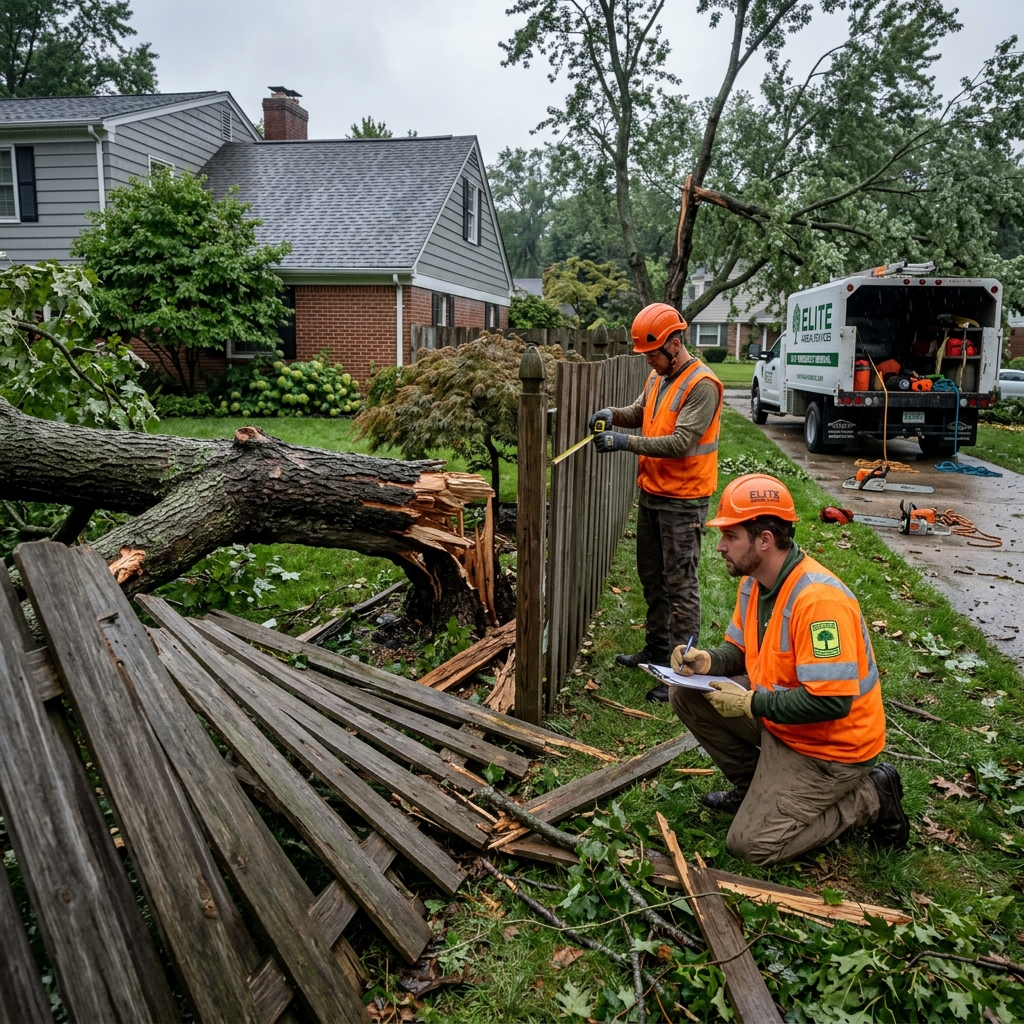
Spotting Hazardous Trees in Tampa: A Local Homeowner's Guide to Safety
Identifying a hazardous tree on your Tampa property is crucial for preventing personal injury, property damage, and costly emergency interventions. Look for significant leans, large dead branches, deep cracks in the trunk, fungi growth at the base, or exposed, damaged roots. If any of these signs are present, immediate professional assessment by a qualified arborist is strongly recommended to determine the risk and necessary actions.
What are the Critical Signs of a Hazardous Tree in Tampa?
As a homeowner in Tampa, your trees contribute significantly to your property's beauty and value. However, they can also pose serious risks if their health deteriorates, especially with our unique climate and storm potential. Recognizing the early warning signs of a hazardous tree is the first step in proactive safety. Don't wait until a hurricane or a severe thunderstorm exposes a hidden danger; a watchful eye can save you a lot of trouble.
- Significant Lean or Unbalanced Canopy: While some trees naturally grow with a slight lean, a sudden or pronounced lean, particularly after a storm or without an obvious cause, indicates potential root failure. If the lean is away from the prevailing wind, it's especially concerning. An unbalanced canopy, where growth is heavily concentrated on one side, can also destabilize the tree, making it prone to toppling.
- Large Dead or Hanging Branches: Dead branches are brittle and can break off at any time, posing a severe threat to anything below. If you see numerous dead branches, or if any large branches are hanging precariously within the canopy, the tree needs immediate attention. The presence of deadwood can also be a sign of disease or pest infestation affecting the tree's overall vitality.
- Cracks or Splits in the Trunk or Major Limbs: Cracks, especially those that are deep, wide, or extend into the wood, are critical indicators of structural weakness. These can range from minor surface cracks to deep fissures that threaten the tree's integrity. Splits often occur where branches join the main trunk, or along the trunk itself, making the tree highly susceptible to failure in high winds.
- Cankers, Fungi, or Decay: The presence of mushrooms, conks, or other fungal growths on the trunk or at the base of the tree often signifies internal decay. While the exterior might look sound, the internal wood could be compromised, creating a hollow or weakened structure. Cankers (sunken or discolored areas on the bark) can also indicate disease that is weakening the tree.
- Exposed or Damaged Roots: Roots are the anchor of your tree. If roots are extensively cut, damaged by construction, or lifting and buckling the surrounding soil, the tree's stability is compromised. This is particularly concerning if the damage is near the trunk, as it can directly impact the tree's ability to support itself.
- Woodpecker Activity or Sawdust: Increased woodpecker activity might indicate an insect infestation beneath the bark, which can lead to decay and structural weakening. Piles of sawdust at the base or along the trunk often signal boring insects that are actively damaging the tree's wood.
- Cavities or Hollow Spots: Any large holes or hollow areas in the trunk or major branches are direct evidence of decay. The extent of the hollowing determines the level of risk; a severely hollow tree is significantly weaker and more likely to fail.
Why Do Tampa Trees Become Hazardous?
Tampa's subtropical climate, while beautiful, presents unique challenges for tree health that can lead to hazardous conditions. Understanding these factors helps in recognizing risks:
- Hurricane Season and High Winds: Our annual hurricane season from June to November brings strong winds, heavy rainfall, and potential flooding. Trees, especially those with pre-existing weaknesses, can be severely damaged, leading to fallen limbs, uprooted trees, and significant structural failures.
- Prolonged Heat and Drought Stress: Extended periods of heat and lack of rainfall can stress trees, making them more susceptible to pests and diseases. Stressed trees often exhibit canopy thinning, leaf discoloration, and increased deadwood.
- Pest Infestations and Diseases: Tampa is home to various tree pests (e.g., ambrosia beetles, bark borers) and diseases (e.g., Ganoderma root rot, Laurel Wilt) that can rapidly compromise a tree's health and structural integrity.
- Improper Pruning Techniques: Incorrect pruning, such as topping or leaving large stubs, can create entry points for disease and pests, lead to weak regrowth, and compromise the tree's natural structure.
- Construction Damage: Damage to root systems, compaction of soil, or wounds to the trunk during construction projects can severely impact a tree's long-term health and stability, sometimes with delayed symptoms.
- Soil Conditions: Poor drainage, nutrient deficiencies, or soil compaction can hinder root development and overall tree vigor, making them less resilient to environmental stressors.
What Should I Do If I Suspect a Hazardous Tree on My Tampa Property?
If you've identified one or more of the critical signs of a hazardous tree, your immediate action is paramount to safety and mitigating further damage. Do NOT attempt to assess or remove a potentially hazardous tree yourself; this is incredibly dangerous and requires specialized equipment and expertise.
- Maintain a Safe Distance: Keep people, pets, and vehicles away from the vicinity of the tree. If branches are hanging over your home or a pathway, consider barricading the area.
- Contact a Certified Arborist Immediately: This is the most crucial step. A qualified, local arborist from Tampa Tree Care Specialists has the expertise to accurately assess the tree's condition, identify potential risks, and recommend the safest course of action. They can determine if the tree can be mitigated through pruning or cabling, or if removal is the only safe option.
- Document the Situation (Safely): If possible and safe to do so, take photos of the tree and the specific warning signs. This documentation can be helpful for the arborist's assessment and for insurance purposes if damage occurs.
- Avoid DIY Solutions: Do not try to prune or remove large sections of a compromised tree yourself. Even seemingly small branches can cause serious injury or property damage if not handled correctly.
- Consider Emergency Services if Necessary: If a tree or large limb has already fallen, or if it poses an immediate and unavoidable threat to life or property, contact emergency services (911) if there's a risk of injury, and then a professional tree service for removal.
Our team at Tampa Tree Care Specialists is ready to respond to your concerns. Whether you're in Tampa, or need professional Tree Services in Wesley Chapel, our certified arborists are equipped to provide prompt and reliable assessments.
What Does a Professional Hazardous Tree Assessment Involve?
When you call Tampa Tree Care Specialists for a hazardous tree assessment, you can expect a thorough and systematic evaluation by a trained professional:
- Visual Inspection from All Angles: Our arborist will walk around the tree, examining the trunk, canopy, branches, and root collar for any signs of decay, damage, or structural weakness.
- Root Collar and Root System Examination: The area where the trunk meets the ground is a common site for decay or girdling roots. We'll also assess the visible root system for damage, heaving, or fungal growth.
- Trunk and Branch Structure Analysis: We look for cracks, cavities, cankers, deadwood, weak branch attachments, and signs of insect activity.
- Canopy Health Evaluation: We assess the density of the foliage, color of the leaves, and presence of dead or dying branches throughout the crown.
- Lean and Stability Assessment: Using specialized tools or visual cues, we'll determine the extent of any lean and evaluate the soil around the base for signs of instability.
- Pest and Disease Identification: If signs of pests or diseases are present, we'll identify them and understand their impact on the tree's structural integrity.
- Target Assessment: We identify what structures or areas (e.g., your home, driveway, play areas) are within falling distance of the tree, which helps in prioritizing risk.
- Recommendations and Action Plan: Based on the assessment, our arborist will provide a clear explanation of the tree's condition, the associated risks, and a detailed plan for mitigation (pruning, cabling, disease treatment) or removal, including an estimated cost.
For those in neighboring communities like Zephyrhills, our expert team provides the same high level of comprehensive tree health and risk assessment.
How Much Does Hazardous Tree Removal or Mitigation Cost in Tampa?
The cost of addressing a hazardous tree in Tampa can vary significantly based on several factors, as there's no one-size-fits-all price. It's an investment in safety and property protection.
- Tree Size and Height: Taller, larger trees with wider canopies require more time, specialized equipment (cranes, lifts), and personnel, which increases the cost.
- Location and Accessibility: Trees in tight spaces, near power lines, fences, or structures are more complex and hazardous to work on, often requiring intricate rigging and more careful removal, which adds to the expense.
- Level of Hazard/Risk: A severely compromised tree (e.g., leaning precariously over a house, actively splitting) requires urgent, highly skilled work, often with increased safety protocols, which can influence pricing.
- Type of Service:
- Pruning/Trimming: Removing dead or hazardous limbs is generally less costly than full removal.
- Cabling/Bracing: Installing support systems can be a cost-effective way to extend the life of a structurally compromised tree, but costs vary by tree size and system complexity.
- Full Tree Removal: This is typically the most expensive service due to the labor, equipment, and disposal involved.
- Stump Grinding: If you opt for stump removal after the tree is down, this is usually an additional service with its own cost considerations.
- Emergency vs. Scheduled Service: Emergency services, especially outside of normal business hours or during a storm, will typically incur higher costs due to the urgency and immediate deployment of resources.
While cost is a factor, prioritizing safety is paramount. Requesting a detailed, on-site estimate from Tampa Tree Care Specialists will give you an accurate understanding of the investment required for your specific situation. We provide transparent pricing and explain all aspects of the proposed work.
Don't let a potentially hazardous tree become a costly or dangerous problem. Proactive identification and professional intervention are key to maintaining a safe and beautiful landscape. If you're concerned about a tree on your property in Tampa, FL, or surrounding areas, contact Tampa Tree Care Specialists today for a comprehensive and professional assessment. Our certified arborists are here to ensure the health and safety of your trees and property. Call us to schedule your inspection and get peace of mind!
Need Professional Assistance?
Get a free, no-obligation estimate from our expert local team today.