Protect Your Tampa Property: Essential Signs of Dangerous Trees
Tampa, Florida, with its beautiful canopy of mature trees, offers shade and enhances property value. However, the same lush environment, combined with our unique subtropical climate, can sometimes harbor hidden dangers. High humidity, heavy rainfall, and the annual threat of tropical storms and hurricanes place immense stress on even the healthiest trees. A seemingly robust tree might be silently deteriorating, posing a significant risk to your home, vehicles, and loved ones. Understanding how to spot the early warning signs of a hazardous tree is the first step in proactive property protection. Ignoring these indicators can lead to costly damage, personal injury, or even fatalities. At Tampa Tree Care Specialists, we emphasize prevention and early intervention to ensure the safety and longevity of your landscape.
What Makes a Tree Dangerous in Tampa's Climate?
Tampa's environment presents unique challenges that can compromise tree health and stability. Our sandy soils can sometimes offer less anchorage during strong winds, and prolonged periods of rain can lead to soil saturation, further weakening root systems. Here are key factors contributing to tree hazards:
- Severe Weather: Hurricanes and tropical storms are the most obvious culprits. High winds can snap branches, uproot trees, and expose existing weaknesses. Even strong thunderstorms can cause significant damage.
- Soil Conditions: Poor drainage or compacted soil can stress roots, leading to decay and instability. Our region's sandy soil, while allowing for good drainage, can sometimes be less stable than clay-rich soils during heavy rains and winds.
- Pests and Diseases: Tampa's warm, humid climate is a breeding ground for various tree pests (like ambrosia beetles or termites) and fungal diseases (such as Ganoderma root rot, which is common in our area). These can silently degrade a tree's internal structure, making it a falling hazard.
- Improper Pruning or Past Damage: Poor pruning techniques can create weak points or entryways for disease. Previous storm damage that wasn't properly addressed can also leave a tree vulnerable to future failure.
- Age and Species: Older, mature trees, while majestic, may naturally develop internal decay. Certain tree species common in Tampa, such as Laurel Oaks, are known for having brittle wood or susceptibility to specific diseases, increasing their risk profile.
Key Warning Signs of a Hazardous Tree on Your Property
Being vigilant about your trees can prevent a potential disaster. Regular visual inspections of your trees, especially after strong winds or heavy rain, are highly recommended. Here are the critical signs that indicate a tree may be dangerous and requires immediate professional attention:
- Significant Lean: A tree that has suddenly started leaning, or one with a pronounced lean that has worsened over time, indicates a potential root problem or structural failure. If soil is heaving around the base on the opposite side of the lean, it's an urgent sign of root plate instability.
- Large Dead or Hanging Branches: Dead branches are brittle and can fall at any time, especially during windy conditions. A branch caught or hung up in other branches ('widow makers') is particularly dangerous.
- Cracks or Splits in the Trunk or Major Limbs: Vertical cracks, horizontal splits, or deep fissures are clear indicators of structural weakness. These can compromise the tree's integrity, leading to sudden failure. Look for splits at the union where branches meet the main trunk.
- Cavities and Hollows: Large holes or hollows in the trunk or major branches suggest internal decay. While a tree can live with some decay, extensive hollowing weakens its structural support, making it prone to collapse.
- Fungal Growth at the Base or on the Trunk: Mushrooms, conks, or other fungal fruiting bodies growing on the roots, at the base of the trunk, or up the trunk often signal internal decay. This is particularly concerning if the fungus is growing on load-bearing parts of the tree.
- Heaving Soil or Exposed Roots: If the soil around the base of the tree appears to be bulging or cracking, or if roots are noticeably exposed and lifted, it suggests root damage or an unstable root ball.
- Excessive Thinning of the Canopy or Discolored Leaves: While sometimes seasonal, persistent thinning of leaves, yellowing, browning, or premature leaf drop outside of autumn can indicate severe stress, disease, or root issues affecting the tree's overall health and stability.
- Pest Infestation: Sawdust-like frass, exit holes, or extensive insect activity can point to internal damage from borers or termites, compromising the tree's structural strength.
The Risks of Ignoring Dangerous Trees in Tampa
Procrastination in addressing a hazardous tree can have severe and wide-ranging consequences for Tampa property owners:
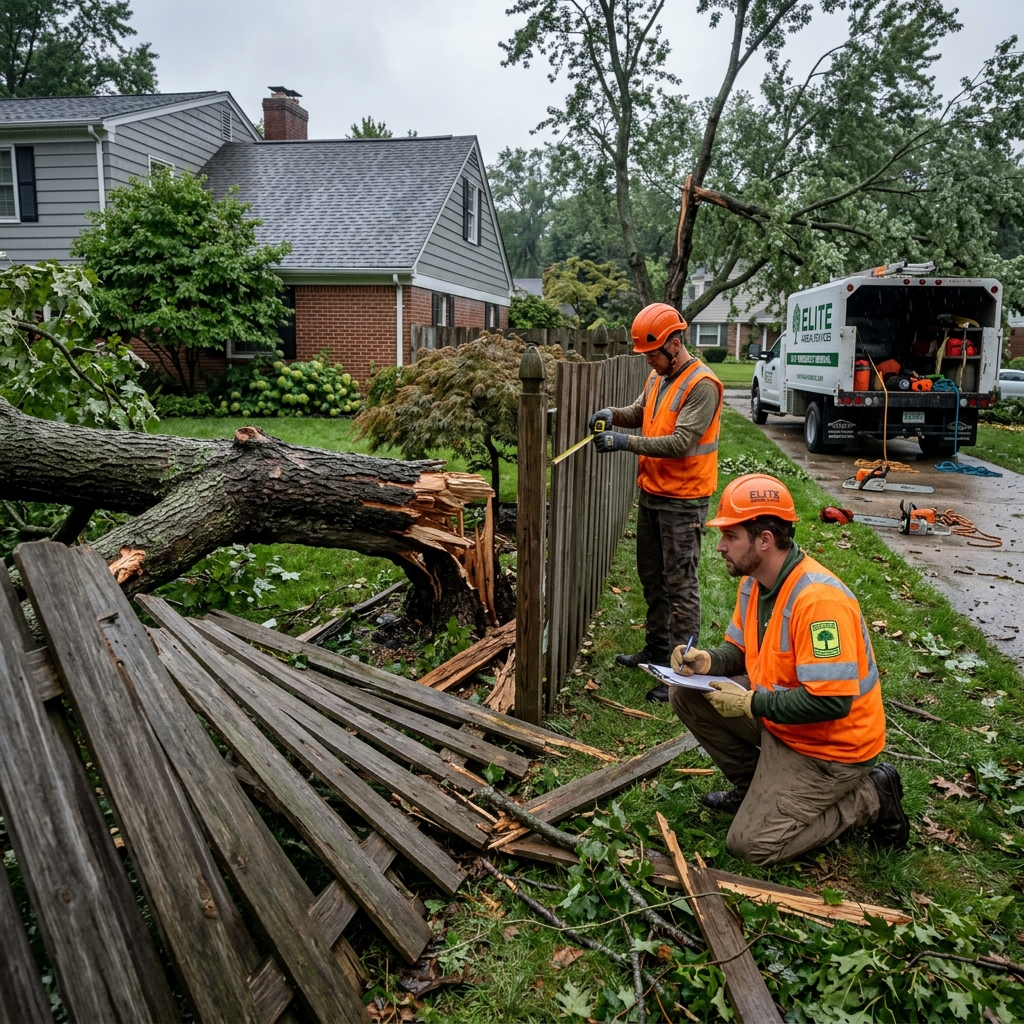
- Property Damage: Falling trees or limbs can crush roofs, vehicles, fences, and outbuildings, leading to expensive repairs and insurance claims.
- Personal Injury or Fatality: The most tragic outcome is the risk of serious injury or death to family members, guests, or passersby.
- Power Outages: Trees falling onto power lines can cause widespread outages, create fire hazards, and disrupt essential services.
- Increased Liability: As a property owner, you could be held liable for damages or injuries caused by a tree you knew, or reasonably should have known, was hazardous.
- Higher Emergency Costs: Waiting until a tree falls during a storm often means paying premium rates for emergency removal services, which can be significantly more expensive than planned, preventative removal.
When to Call a Professional Tree Risk Assessor in Tampa
While recognizing these signs is important, accurately assessing a tree's risk level requires professional expertise. A certified arborist possesses the knowledge, training, and tools to conduct a thorough evaluation of tree health and structural integrity. They can identify subtle signs of decay, assess potential failure points, and recommend the most appropriate course of action, whether it's pruning, cabling, or removal.
You should call a professional tree risk assessor if:
- You notice any of the warning signs listed above.
- Your tree has recently experienced severe weather damage.
- You are planning construction near a tree's root zone.
- You have concerns about a tree's proximity to your home, power lines, or high-traffic areas.
- You live in an area prone to high winds and want proactive assessments for peace of mind.
At Tampa Tree Care Specialists, our ISA-certified arborists are experts in diagnosing tree issues specific to our region. We provide comprehensive tree risk assessments, utilizing advanced techniques to evaluate the internal and external health of your trees. Whether you're in Downtown Tampa or a surrounding neighborhood like Ballast Point, our team is equipped to provide the insights you need for informed decisions about your landscape.
Don't let a dangerous tree become a disaster. Proactive tree care is an investment in the safety and value of your property. Contact Tampa Tree Care Specialists today for a thorough tree risk assessment and expert solutions. Protect your Tampa property and peace of mind – call us for a consultation!
Need Professional Assistance?
Get a free, no-obligation estimate from our expert local team today.