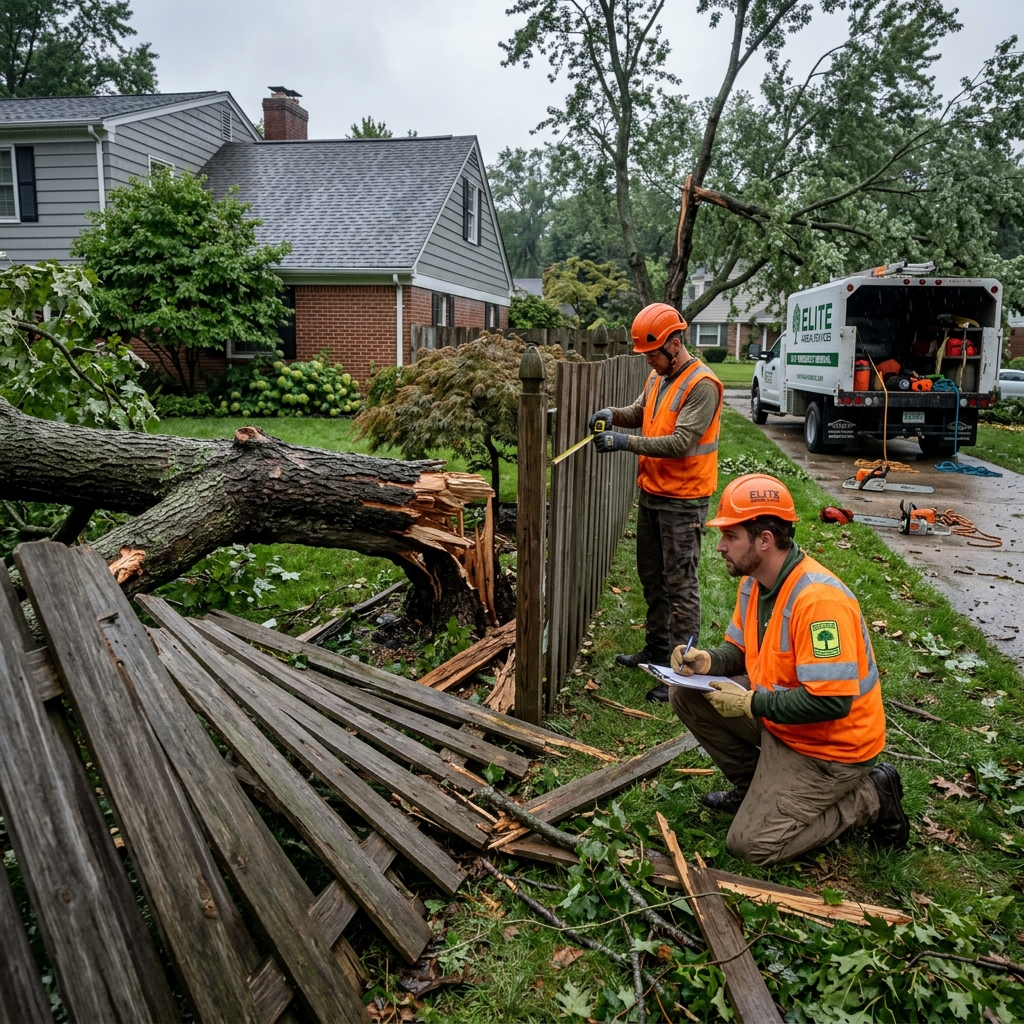
Spotting Dangerous Trees in Tampa: Your Essential Guide to Home Safety
Identifying a dangerous tree in your Tampa yard is crucial for preventing property damage, personal injury, and costly emergencies. Look for severe leaning, large dead branches, deep cracks in the trunk, visible decay or fungus at the base, and sudden root exposure. These indicators often signal structural instability, especially intensified by Tampa's humid climate and hurricane season, requiring prompt professional assessment from Tampa Tree Care Specialists.
What Makes a Tree Dangerous in Tampa, FL?
Trees are beautiful assets to any Tampa property, providing shade, enhancing curb appeal, and supporting local ecosystems. However, certain conditions can turn a majestic tree into a significant hazard. In Tampa, our unique climate—characterized by high humidity, intense summer storms, and occasional hurricanes—plays a critical role in tree health and stability. A tree might become dangerous due to:
- Disease and Pest Infestation: Fungal infections (like Ganoderma or root rot), insect infestations (such as ambrosia beetles), or bacterial blights can weaken a tree's internal structure, making it susceptible to failure.
- Structural Defects: Co-dominant stems with included bark, weak branch attachments, or prior improper pruning can create inherent weaknesses that worsen over time.
- Storm Damage: Previous storm events, even seemingly minor ones, can cause hidden internal damage that compromises a tree's integrity later. Strong winds and heavy rains are common in Tampa, exacerbating these issues.
- Root Damage: Construction activities, soil compaction, or even prolonged drought can damage a tree's root system, reducing its ability to anchor itself securely.
- Age and Decline: Like all living things, trees have a lifespan. Older trees may naturally decline, becoming brittle and prone to breakage.
Understanding these underlying factors is the first step in proactive tree care and hazard mitigation, especially for residents across the region, from the bustling streets of Tampa to peaceful neighborhoods in Carrollwood.
Key Warning Signs: How to Spot a Problem Tree on Your Tampa Property
While some tree hazards are obvious, many manifest subtly. Knowing what to look for can empower you to act before a situation escalates. Here are the critical warning signs:
- Visible Cracks or Splits: Look for deep cracks in the trunk or major branches. These can indicate internal decay or imminent failure. Vertical cracks, especially those extending deep into the wood, are particularly concerning.
- Extensive Deadwood: A tree with numerous dead branches (especially large ones) is a red flag. Dead wood is brittle and can fall at any time, posing a significant threat to people and property below.
- Cankers or Cavities: Sunken areas of bark or large holes (cavities) often signify internal rot. While some trees can compartmentalize decay, extensive cavities compromise structural strength.
- Fungal Growth at the Base: Mushrooms or conks growing near the base of the trunk or on the roots are a strong indicator of root decay or internal heartwood rot. This can severely weaken the tree's anchorage.
- Sudden Lean: A tree that suddenly begins to lean or shows an increased lean over a short period suggests root damage or instability. While some trees naturally lean, a rapid change is concerning.
- Heaving Soil or Exposed Roots: If the soil around the tree's base appears to be heaving or if roots are breaking through the ground, it could mean the tree is losing its anchorage, especially after heavy rains or strong winds.
- Weak Branch Unions: Look for branches that grow very close together, forming a narrow 'V' shape rather than a strong 'U' shape. These unions often have included bark, making them prone to splitting.
- Missing Bark: Large patches of missing bark can expose the tree's vulnerable inner wood to disease and pests, leading to further decline.
Regularly inspecting your trees, especially after severe weather events typical of Tampa, is paramount. If you observe any of these signs, it's time to consult with professionals.
The Risks of Neglecting a Dangerous Tree in Tampa's Climate
Ignoring the warning signs of a dangerous tree in Tampa can lead to severe consequences. The subtropical climate, with its intense heat, high humidity, and powerful storm systems, amplifies these risks:
- Property Damage: Falling branches or an entire tree can cause extensive damage to your home, fences, vehicles, or neighboring properties. Repair costs can be exorbitant, and insurance claims can be complex.
- Personal Injury or Fatality: The most tragic risk is the potential for serious injury or even death to family members, guests, or passersby if a tree or its parts fall unexpectedly.
- Utility Outages: A falling tree can sever power lines, leading to widespread outages, traffic disruptions, and communication issues.
- Legal Liability: If a dangerous tree on your property causes damage or injury to others, you could be held legally responsible, leading to costly lawsuits.
- Increased Emergency Costs: Addressing a tree emergency after it has fallen typically incurs higher costs than proactive removal or mitigation, especially if specialized equipment or after-hours service is required.
Given the annual threat of hurricane season and frequent thunderstorms, a proactive approach to tree hazard assessment is not just a recommendation—it's a necessity for every Tampa homeowner.
When to Call a Professional: Expert Tree Assessment in Tampa
While homeowners can identify many warning signs, determining the extent of a tree's danger and the best course of action requires the expertise of a certified arborist. Tampa Tree Care Specialists offer comprehensive tree assessment services designed for the unique challenges of our local environment.
During a professional assessment, our arborists will:
- Conduct a Thorough Visual Inspection: Examining the tree from its crown to its roots, noting any structural abnormalities, signs of disease, or pest activity.
- Utilize Advanced Diagnostic Tools: Depending on the situation, we may use tools like resistographs or sonic tomography to detect internal decay not visible externally.
- Evaluate the Tree's Health & Vigor: Assessing leaf color, branch growth patterns, and overall vitality to understand the tree's general condition.
- Consider the Surrounding Environment: Analyzing factors like soil conditions, proximity to structures, utility lines, and pedestrian traffic.
- Provide a Detailed Report: Offering an expert opinion on the tree's risk level and recommending the most appropriate course of action, which could range from pruning to cabling/bracing, or complete removal.
Our goal is to provide you with clear, actionable insights to ensure the safety and longevity of your trees and property. Don't wait for a storm to make the decision for you.
Beyond Removal: Proactive Tree Health for Tampa Homes
Identifying a dangerous tree doesn't always mean it needs to be removed. Often, proactive tree care can mitigate risks and extend a tree's healthy lifespan. Tampa Tree Care Specialists advocate for a holistic approach to tree management:
- Routine Pruning: Strategic pruning can remove dead or weak branches, improve tree structure, and enhance air circulation, reducing disease risk.
- Cabling and Bracing: For trees with weak branch unions or multi-stemmed structures, cabling and bracing can provide supplemental support, reducing the risk of splitting.
- Disease and Pest Management: Early detection and treatment of diseases or pest infestations can often save a compromised tree.
- Fertilization and Soil Improvement: Ensuring your trees receive adequate nutrients and have healthy soil conditions promotes vigor and resilience against environmental stressors.
- Regular Inspections: Annual or bi-annual inspections by a certified arborist can catch problems early, before they become critical hazards.
Protecting your Tampa property from dangerous trees is an ongoing process that requires vigilance and professional expertise. From comprehensive hazard assessments to expert pruning and removal, Tampa Tree Care Specialists are your trusted partners in maintaining a safe and beautiful landscape. Our commitment to excellence extends our expert service to nearby communities like St. Petersburg.
If you suspect you have a dangerous tree on your property, don't delay. Contact Tampa Tree Care Specialists today for a professional assessment. Our certified arborists are ready to provide expert advice and reliable solutions to safeguard your home and family in Tampa, FL.
Need Professional Assistance?
Get a free, no-obligation estimate from our expert local team today.