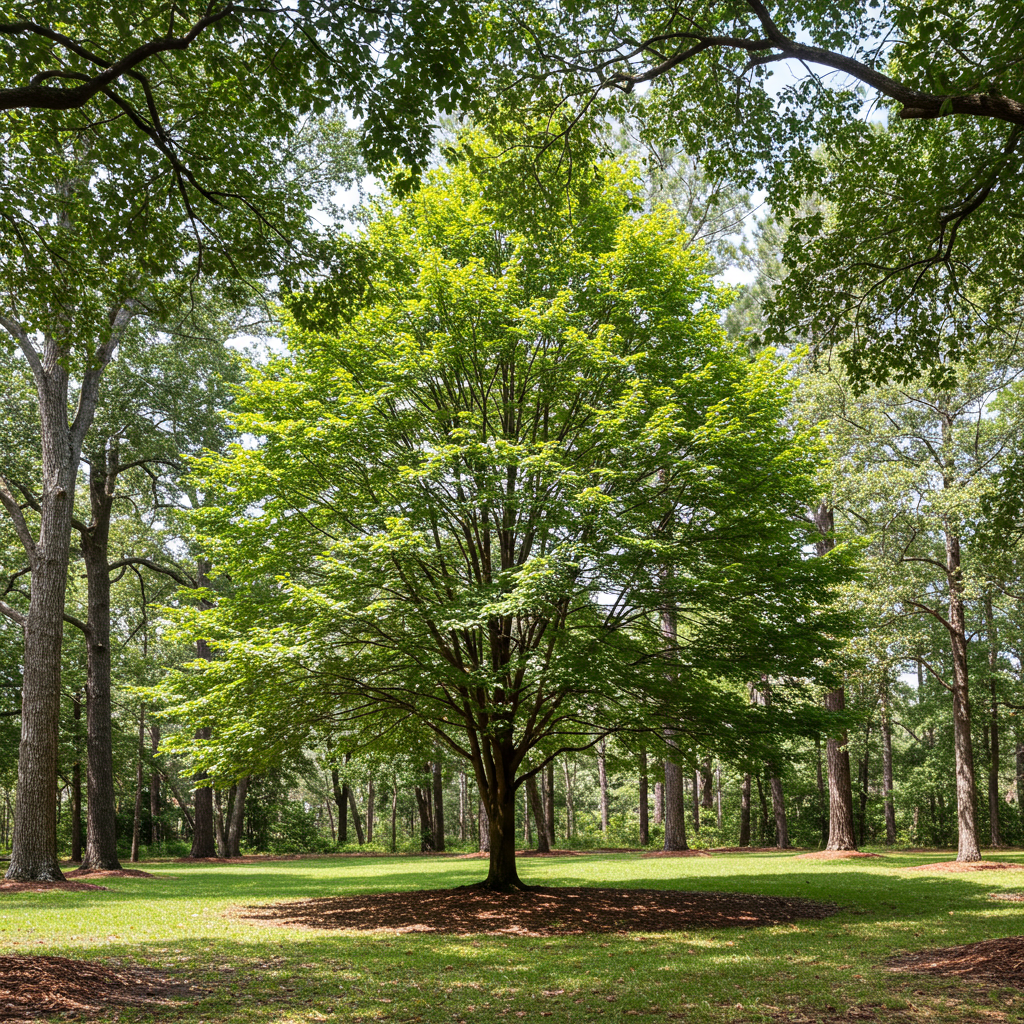
Unlock Thriving Trees: Advanced Soil Health Strategies for Tampa's Lush Landscapes
Optimal soil health is unequivocally the single most critical factor for the long-term vitality and resilience of any tree, especially in Tampa's unique environment. It directly influences a tree's access to water, nutrients, and oxygen, underpinning its ability to resist disease, endure storms, and flourish for decades.
What Makes Tampa's Tree Soil Unique, and Why Does It Need Special Attention?
Tampa's landscape, while beautiful, presents a unique set of challenges and characteristics for tree soil. Our region is predominantly characterized by sandy soils, which, while offering good drainage, are often deficient in organic matter and essential nutrients. This rapid drainage can lead to quick leaching of vital minerals, especially during our heavy rainy seasons. Furthermore, the high humidity and warm temperatures create an ideal breeding ground for certain soil-borne pathogens and pests, while also accelerating the breakdown of organic matter.
- Sandy Composition: Tampa's typical sandy soils have large pore spaces, meaning water and nutrients pass through quickly. This can lead to dehydration and nutrient deficiency if not managed properly.
- Low Organic Matter: Naturally, these sandy soils lack the rich organic content that retains moisture, provides a steady supply of nutrients, and supports beneficial microbial life.
- High pH Variability: Soil pH can vary significantly across the region, impacting nutrient availability. Some areas might lean acidic, while others can be more alkaline, affecting how well trees absorb specific elements.
- Compaction Risks: Urban and suburban development often leads to soil compaction from construction activities and foot traffic. Compacted soil restricts root growth, reduces oxygen, and hinders water infiltration.
- Pest and Disease Pressure: The warm, humid climate can foster a range of soil-borne fungi, nematodes, and other pests that can compromise root health if the soil ecosystem is not balanced.
Understanding these local conditions is the first step in implementing advanced soil health strategies that truly benefit your Tampa trees.
How Can Homeowners Enhance Tree Soil Structure and Biology for Superior Growth?
Beyond basic fertilization, improving soil structure and biology creates a self-sustaining, thriving environment for your trees. This holistic approach ensures long-term health and reduces the need for constant intervention.
1. Incorporate High-Quality Organic Matter Regularly:
- Compost: Adding a 2-4 inch layer of high-quality, aged compost around the tree's drip line (avoiding direct contact with the trunk) annually significantly improves soil structure. Compost enhances water retention in sandy soils, provides slow-release nutrients, and fosters beneficial microbial activity. The decomposition process releases humic acids and other compounds that bind soil particles, creating a healthier, more aerated medium.
- Mulch: A 3-4 inch layer of organic mulch (like wood chips or shredded bark) also contributes organic matter as it breaks down, mimicking a forest floor. Mulch regulates soil temperature, conserves moisture, suppresses weeds, and prevents compaction. Again, maintain a 6-12 inch gap from the tree trunk to prevent moisture buildup and pest issues.
2. Strategic Aeration and Decompaction:
- Vertical Mulching: For compacted areas, vertical mulching involves drilling 1-2 inch wide holes 12-18 inches deep in a grid pattern under the tree canopy. These holes are then filled with compost or a mix of sand and compost. This process physically breaks up compaction, improves aeration, and allows water and nutrients to penetrate deeper, encouraging root growth.
- Air Spading: For severe compaction or when dealing with girdling roots, professional air spading uses a high-pressure air tool to break up soil without damaging roots. This technique is highly effective for improving soil structure, inspecting root systems, and incorporating amendments deeply.
3. Foster Beneficial Microbial Life:
- Mycorrhizal Fungi Inoculants: These beneficial fungi form a symbiotic relationship with tree roots, significantly enhancing the tree's ability to absorb water and nutrients (especially phosphorus). Introducing mycorrhizal inoculants, particularly for newly planted trees or those in stressed environments, can establish a robust underground network that vastly expands the tree's effective root zone.
- Humic and Fulvic Acids: These natural compounds, derived from decomposed organic matter, chelate nutrients, making them more available for uptake by tree roots. They also stimulate microbial activity and improve soil structure. Applying liquid humates can give a quick boost to soil biology.
These strategies move beyond superficial care, addressing the fundamental health of the soil to build a resilient foundation for your trees.
What Advanced Soil Testing and Amendments Are Best for Optimal Tree Growth in Tampa?
Basic soil tests often cover NPK (Nitrogen, Phosphorus, Potassium) and pH. However, for truly optimal tree health, an advanced soil analysis goes deeper, revealing crucial micronutrient deficiencies, cation exchange capacity (CEC), and organic matter content, which are critical for Tampa's challenging soils.
1. Comprehensive Soil Testing:
- Full Nutrient Panel: Request a test that includes not just NPK, but also secondary macronutrients (Calcium, Magnesium, Sulfur) and vital micronutrients (Iron, Manganese, Zinc, Copper, Boron, Molybdenum). Deficiencies in these can lead to chlorosis, stunted growth, and increased susceptibility to disease.
- Cation Exchange Capacity (CEC): This measures the soil's ability to hold onto positively charged nutrients. Sandy soils typically have low CEC, meaning nutrients wash away easily. Knowing your CEC helps in determining the type and frequency of organic matter and fertilizer applications needed.
- Soil Organic Matter (SOM) Percentage: A low SOM percentage confirms the need for significant organic amendments. A healthy SOM range for trees is generally 3-5% or higher.
- Salinity (EC): Especially in coastal areas or where reclaimed water is used, testing for soluble salts (Electrical Conductivity - EC) is important. High salinity can inhibit water uptake and cause leaf scorch.
2. Targeted Soil Amendments Based on Test Results:
- pH Adjustment: If your soil is too alkaline, elemental sulfur or iron sulfate can be used to lower pH. If it's too acidic, agricultural lime can raise it. Always apply these amendments judiciously based on test recommendations to avoid overcorrection.
- Micronutrient Applications: If specific micronutrients are low, chelated forms of these elements can be applied directly to the soil or as foliar sprays for rapid uptake. Chelated micronutrients are protected from binding with soil particles, making them more available to roots.
- Biochar: This highly porous charcoal-like material significantly improves soil structure, water retention, and nutrient holding capacity. It also provides a habitat for beneficial microbes and can persist in the soil for centuries.
- Seaweed Extracts/Kelp Meal: Rich in trace minerals, hormones, and beneficial compounds, these amendments stimulate root growth, enhance stress tolerance, and improve overall tree vigor.
These advanced testing and amendment strategies allow for a highly customized approach, ensuring your trees receive exactly what they need to thrive in the Tampa environment.
When Should Professionals Be Called for Complex Tree Soil Issues?
While many basic soil improvements can be done by homeowners, certain situations warrant the expertise of a certified arborist or tree care specialist. Ignoring complex soil problems can lead to irreversible tree decline or costly emergency interventions.
- Persistent Tree Stress or Decline: If your tree exhibits yellowing leaves, premature defoliation, stunted growth, or dieback despite your best efforts, it's a sign of a deeper underlying issue often rooted in soil problems. An arborist can diagnose the specific cause.
- Severe Soil Compaction: Extensive areas of compacted soil, especially around mature trees, require specialized equipment like air spades for effective and safe remediation. Attempting to decompact severely with manual tools can damage sensitive root systems.
- Suspected Root Diseases or Pests: If you notice signs of root rot, fungal growths at the base of the tree, or pest infestations linked to poor soil health, a professional diagnosis and treatment plan are crucial to save the tree and prevent spread.
- Planning for New Plantings or Large-Scale Landscape Projects: Before investing in new trees, especially large specimens, a professional soil assessment can prevent future problems. An arborist can recommend the best soil preparation and tree species for your specific site conditions.
- Complex Nutrient Deficiencies or pH Imbalances: Interpreting advanced soil test results and prescribing the correct, balanced amendments without causing further harm requires expert knowledge. Over-application of certain amendments can be as detrimental as a deficiency.
- Girdling Roots: If roots are circling and constricting the trunk or other roots, restricting nutrient and water flow, professional intervention (often using an air spade) is necessary to prune or redirect them safely.
For complex soil assessments, advanced remediation techniques, or persistent tree health issues, contacting Tampa Tree Care Specialists is your best course of action. Our certified arborists possess the in-depth knowledge of Tampa's soil conditions and the expertise to implement advanced strategies like air spading, targeted nutrient management, and biological amendments. We'll diagnose the root cause of your tree's issues, provide tailored solutions, and ensure your trees receive the optimal environment they need to flourish for years to come. Don't guess when it comes to your valuable trees; trust the experts to provide precise, effective care.
Need Professional Assistance?
Get a free, no-obligation estimate from our expert local team today.