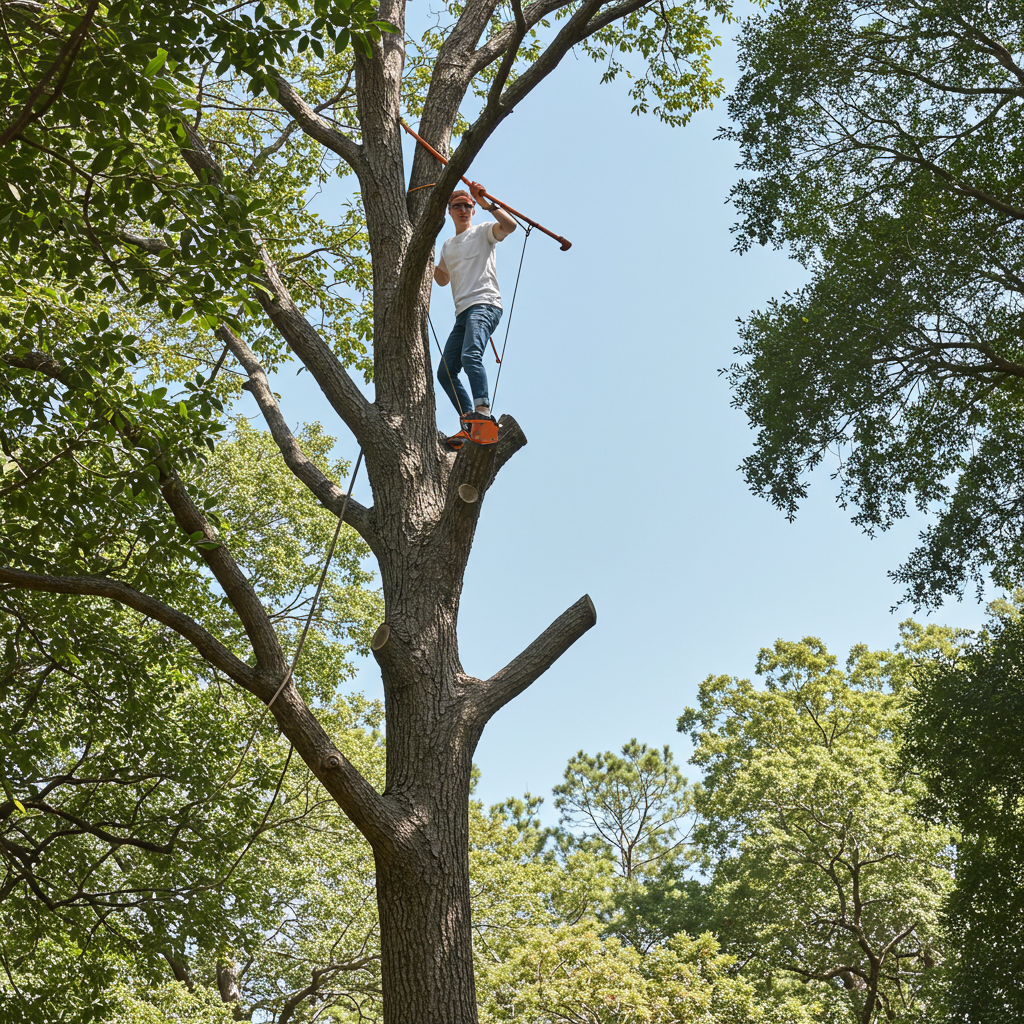
Avoid Costly Pruning Blunders: Essential Tampa Tree Trimming Mistakes to Steer Clear Of
Common tree pruning mistakes in Tampa include "topping" trees, removing too much canopy, making improper cuts that damage bark, pruning at the wrong time of year, and using dull or unsterilized tools. These errors can severely weaken trees, invite pests/diseases, stunt growth, and create hazardous conditions, often requiring costly professional intervention later.
For homeowners in Tampa, the allure of maintaining a beautiful landscape often leads to tackling tree pruning tasks themselves. While seemingly straightforward, tree trimming is a complex process that requires an understanding of tree biology, local climate factors, and proper techniques. Unfortunately, many well-intentioned DIY efforts result in significant damage, creating long-term health problems for trees and potential hazards for your property. Recognizing and avoiding these common pruning blunders is crucial for fostering healthy, resilient trees that thrive in Florida's challenging environment.
Why is Proper Tree Pruning So Crucial for Tampa Homes?
Proper tree pruning isn't just about aesthetics; it's a critical aspect of tree care that contributes significantly to a tree's health, structural integrity, and overall lifespan, especially in a dynamic environment like Tampa. Understanding its importance helps underscore why avoiding common mistakes is paramount:
- Enhanced Tree Health: Strategic pruning removes dead, diseased, or dying branches, preventing the spread of infection and allowing the tree to direct its energy towards healthy growth. It also improves air circulation within the canopy, reducing humidity and the risk of fungal diseases common in our humid climate.
- Increased Safety: Weak, broken, or improperly growing branches pose a significant risk, especially during Tampa's storm season. Regular, correct pruning eliminates these hazards, reducing the potential for falling limbs that can damage property, vehicles, or even cause injury.
- Improved Structural Integrity: Young trees benefit from structural pruning that encourages a strong central leader and well-spaced, sturdy branches, creating a balanced and resilient tree structure. For mature trees, it helps maintain this strength and corrects growth patterns that could lead to weakness.
- Optimized Light Penetration: Thinning out dense canopies allows more sunlight to reach lower branches and understory plants, promoting healthier growth throughout the landscape.
- Aesthetic Appeal and Property Value: Well-maintained, properly pruned trees enhance the beauty of your property, boost curb appeal, and can significantly increase your home's value. Conversely, poorly pruned trees can detract from your landscape.
- Disease and Pest Prevention: By removing infected wood promptly and making clean cuts that heal quickly, proper pruning minimizes entry points for pests and pathogens, helping your trees resist common Tampa tree ailments.
What are the Most Damaging Pruning Mistakes Homeowners Make in Tampa?
While the intention behind DIY pruning is often good, several common mistakes can severely compromise a tree's health and safety. These errors, unfortunately, are seen too frequently across Tampa landscapes:
1. Topping or "Hat Racking" Trees
What it is: Topping involves indiscriminately cutting back large branches to stubs, often reducing the tree's height or spread drastically. It creates a "hat rack" appearance.
Why it's bad:
- Severe Stress: Topping inflicts immense stress on the tree, forcing it to expend massive energy to regrow foliage rapidly. This regrowth is often dense and weak, known as "epicormic sprouts" or "water sprouts."
- Weak Branch Attachment: The new shoots that emerge after topping are poorly attached to the stubs, making them highly susceptible to breaking during strong winds or hurricanes, creating more hazards than before.
- Increased Disease & Pest Vulnerability: The large, open wounds created by topping are slow to heal and act as direct entry points for diseases, fungi, and insect pests.
- Sunscald: The sudden removal of the protective canopy exposes bark to intense Florida sun, leading to sunscald and further damage.
- Shortened Lifespan: Topping severely shortens a tree's life by weakening its overall health and making it more prone to premature decline.
2. Making Improper Cuts
The type and location of a cut are critical for a tree's ability to heal:
- Flush Cuts: Cutting a branch too close to the trunk or parent branch, removing the "branch collar" (the swollen area where the branch meets the trunk). This prevents the tree from forming proper "wound wood" to seal the cut, leaving a larger, open wound that invites decay.
- Stub Cuts: Leaving a branch stub too long when cutting. The remaining stub dies back, offering a perfect breeding ground for pests and diseases, and it will eventually decay into the tree.
- Tears and Rips: Using dull tools or incorrect cutting techniques can cause the bark to tear and peel away from the trunk or main branch, creating extensive damage that struggles to heal and leaves the tree vulnerable.
3. Removing Too Much Canopy ("Lion Tailing")
What it is: This mistake involves removing too many interior branches and foliage, leaving only a tuft of leaves at the ends of long, bare branches, resembling a lion's tail.
Why it's bad:
- Reduced Photosynthesis: With less foliage, the tree's ability to produce food (photosynthesis) is severely hampered, leading to overall weakening.
- Sunburn: Interior branches and bark, previously shaded, become exposed to intense sunlight, leading to sunscald.
- Weakened Structure: The weight shifts to the ends of long, bare branches, making them more prone to snapping in high winds, especially during Tampa's hurricane season.
- Increased Stress: The tree expends excessive energy trying to regrow the lost foliage, diverting resources from other essential functions.
4. Pruning at the Wrong Time of Year
Timing is everything when it comes to tree pruning in Tampa's subtropical climate:
- Pruning during active growth (summer): While light corrective pruning is often acceptable, heavy pruning during peak growth can stress the tree significantly, especially during periods of drought or intense heat. It can also stimulate excessive, weak growth.
- Pruning flowering trees at the wrong time: Pruning spring-flowering trees before they bloom will remove the flower buds, resulting in no flowers for that season.
- Oak Wilt Risk: A critical concern in Florida, pruning oak trees (especially live oaks) during the beetle flight season (typically April through July) can attract sap-feeding beetles that transmit the deadly Oak Wilt fungus.
5. Using Unsterilized or Dull Tools
What it is: Employing pruning shears, saws, or loppers that are not sharp or have not been cleaned between cuts or trees.
Why it's bad:
- Disease Transmission: Unsterilized tools can transfer pathogens from a diseased tree to a healthy one, spreading infections like cankers, fungi, and bacteria.
- Ragged Cuts: Dull tools create jagged, uneven cuts that are slow to heal and provide ideal entry points for pests and diseases, exacerbating vulnerability.
- Increased Effort & Injury Risk: Dull tools require more force, increasing the risk of accidental slips or injury to the pruner.
When is the Best Time to Prune Trees in Tampa, and Why Does it Matter?
Understanding the optimal pruning window for different tree types is essential for their health and your safety in Tampa:
- Late Fall to Early Spring (Dormant Season): This is generally the best time for structural pruning of most deciduous trees.
Why:
- Trees are dormant, minimizing stress.
- Absence of leaves makes branch structure clearly visible, allowing for precise cuts.
- Lower risk of disease transmission as many pests and pathogens are less active.
- Wounds heal quickly as the tree prepares for spring growth.
- After Flowering (for Flowering Trees): For trees that bloom in spring (e.g., magnolias, jacarandas), prune immediately after the flowers fade.
Why:
- Ensures you don't remove flower buds for the current year.
- Allows the tree to set new buds for the next season.
- Hurricane Season Preparation (Early Spring): Prune weak, dead, or crossing limbs in late winter/early spring *before* hurricane season officially begins.
Why:
- Reduces the risk of limb failure during high winds and heavy rains.
- Minimizes hazards to your home and property.
- Emergency Pruning: If a tree has dead, broken, or diseased limbs, it's necessary to prune them immediately, regardless of the season, to prevent further damage or spread of disease.
Important Note for Oak Trees: Avoid pruning oak trees in Tampa from April through July to prevent the spread of Oak Wilt disease, which is transmitted by sap-feeding beetles active during these months. If emergency pruning is necessary for an oak during this period, ensure cuts are immediately sealed with tree paint.
How Can Tampa Tree Care Specialists Ensure Healthy, Safe Pruning?
Given the complexities and potential dangers of improper tree pruning, entrusting your trees to certified professionals like Tampa Tree Care Specialists offers numerous benefits:
- Certified Arborist Expertise: Our team includes certified arborists who possess in-depth knowledge of tree biology, local Tampa tree species, pest and disease identification, and advanced pruning techniques. We understand how different cuts impact tree health and growth.
- Proper Equipment and Techniques: We utilize state-of-the-art, sharp, and sterilized tools to make clean, precise cuts that promote rapid healing and minimize disease risk. Our team is trained in safe climbing and aerial lift operations, ensuring safety for both our crew and your property.
- Species-Specific Pruning: We recognize that not all trees are the same. Our arborists tailor pruning strategies to the specific needs of each tree species on your property, considering its growth habit, flowering cycle, and vulnerability to local pests and diseases.
- Comprehensive Risk Assessment: Before any work begins, we conduct a thorough assessment of your trees, identifying potential hazards, structural weaknesses, or signs of disease that might otherwise go unnoticed. This proactive approach helps prevent future problems.
- Long-Term Tree Health & Longevity: Our goal is to promote the long-term health and structural integrity of your trees. We prune not just for immediate aesthetics, but to encourage strong growth, extend lifespan, and enhance resilience against environmental stressors common in Tampa.
- Adherence to Best Practices: We follow the latest industry standards and best management practices for tree care, ensuring that all work is performed safely, efficiently, and with the utmost respect for your trees and property.
Don't let good intentions lead to costly tree damage. While DIY gardening is rewarding, tree pruning, especially for larger or more complex trees, is best left to the experts. The health and safety of your property and trees depend on it. For professional, reliable, and expert tree pruning services in Tampa, contact Tampa Tree Care Specialists today. We're here to help your trees thrive and your landscape remain beautiful and safe.
Need Professional Assistance?
Get a free, no-obligation estimate from our expert local team today.