Tampa Storm Damage Tree Cleanup: Essential Costs & Prevention Tips
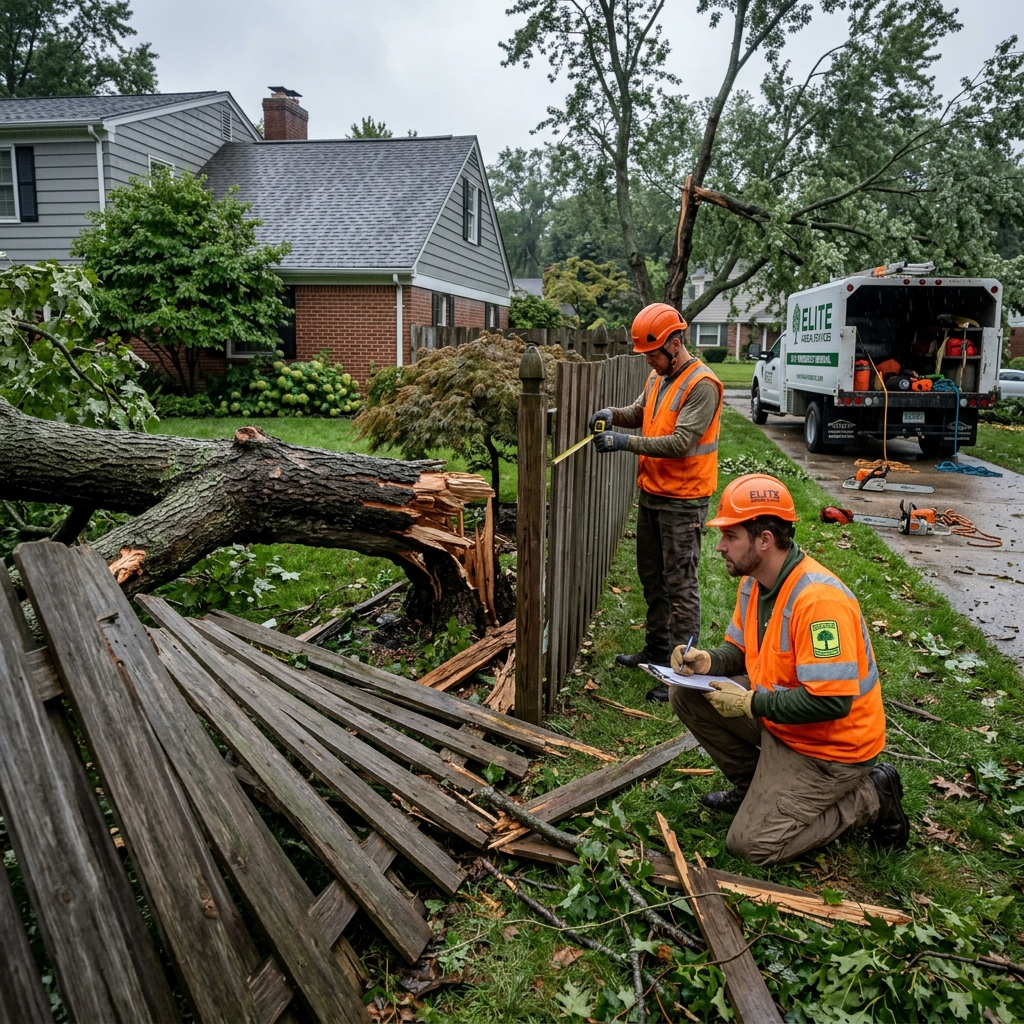
Storm-damaged trees in Tampa require immediate professional assessment to prevent further property damage or personal injury. The cost of storm damage tree cleanup varies significantly based on tree size, location, accessibility, and the extent of the damage, typically ranging from a few hundred to several thousand dollars for complex removals. Prompt action and expert intervention are vital.
Living in Tampa, we're no strangers to the powerful forces of nature, especially during hurricane season. While the immediate aftermath of a storm can be overwhelming, dealing with damaged trees is a critical priority. Not only can fallen or compromised trees pose immediate dangers to homes, vehicles, and utility lines, but they can also create hazardous conditions long after the winds have died down. Understanding the common types of damage, the financial implications of professional cleanup, and proactive prevention strategies is essential for every Tampa homeowner. Relying on certified arborists ensures safety, efficiency, and the long-term health of your property's valuable trees.
What Are the Common Types of Storm Damage to Trees in Tampa?
Tampa's unique subtropical climate, characterized by intense thunderstorms, tropical depressions, and the occasional hurricane, makes its trees susceptible to specific types of storm damage. Recognizing these can help you assess the situation accurately:
- Branch Breakage: This is the most common form of storm damage. High winds can snap off branches, ranging from small twigs to large, heavy limbs. These can fall onto structures, vehicles, or block pathways.
- Uprooting: Saturated soil combined with strong winds can cause entire trees to become uprooted, especially those with shallow root systems or pre-existing root rot. An uprooted tree is an immediate and severe hazard.
- Trunk Splitting or Cracking: Intense wind shear can cause the main trunk of a tree to split, often at a weak crotch or where two large leaders meet. Such damage often compromises the tree's structural integrity beyond repair.
- Leaning Trees: While not fully uprooted, some trees may lean precariously after a storm, indicating significant root damage or soil instability. These trees are at high risk of falling completely.
- Top Breakage (Topping): The upper canopy of a tree can be sheared off by powerful winds, leaving a jagged, exposed trunk. This makes the tree vulnerable to disease and decay, and often necessitates removal.
- Contact with Power Lines: Trees or branches falling onto power lines create extreme electrical hazards and can cause widespread power outages. Never attempt to clear these yourself.
Each type of damage presents unique risks and requires a specific approach for safe and effective resolution. It's crucial to prioritize safety and avoid attempting to clear large or hazardous debris yourself.
How Much Does Professional Storm Damage Tree Cleanup Cost in Tampa?
The cost of professional storm damage tree cleanup in Tampa isn't a one-size-fits-all figure. Several factors influence the final price, which can range from a few hundred dollars for minor work to several thousand for complex emergency removals. Understanding these factors can help you anticipate expenses and make informed decisions.
- Emergency vs. Non-Emergency: If a tree has fallen on your home, is blocking a road, or poses an immediate threat, it's an emergency. Emergency services typically incur higher costs due to the rapid response time, after-hours work, and increased risk.
- Tree Size and Type: Larger, more mature trees require more equipment, manpower, and time to remove safely. Hardwood trees like oaks, common in Tampa, are denser and heavier than softer wood varieties, often increasing removal complexity.
- Location and Accessibility: Trees in easily accessible open areas are less expensive to deal with. If a tree is in a confined space, near power lines, over a structure, or on a steep incline, specialized equipment like cranes or advanced rigging techniques will be necessary, driving up costs.
- Extent of Damage and Complexity: A simple branch removal is far less costly than a fully uprooted tree that has crashed through a roof. The more intricate the situation, the higher the cost.
- Debris Removal and Hauling: Most professional services include hauling away the debris. However, sometimes clients opt to keep wood for firewood or dispose of smaller branches themselves, which can slightly reduce the cost. Discuss this with your service provider.
- Permits: In some cases, especially for larger tree removals or if a tree is protected, a city permit might be required. While often a minor fee, it's an administrative step to consider.
It's always recommended to get multiple estimates from reputable, insured arborists. For homeowners in nearby Clearwater facing similar challenges, our services are also available to provide transparent pricing and expert storm cleanup.
When Is Emergency Tree Service Necessary After a Storm in Tampa?
Distinguishing between routine tree cleanup and an actual emergency can save you time, money, and potentially prevent injury. In Tampa's post-storm environment, certain situations demand immediate professional emergency tree service:
- Tree or Large Branch on a Structure: If a tree has fallen on your house, garage, shed, or any other building, it's an emergency. The weight can cause structural damage and create unsafe living conditions.
- Tree Blocking Access: A tree blocking your driveway, a public road, or impeding emergency vehicle access requires urgent removal.
- Contact with Power Lines: This is perhaps the most critical emergency. Downed power lines or trees touching active lines are extremely dangerous and can be fatal. Never approach or attempt to clear these yourself. Immediately call your power company (e.g., TECO) and then a professional tree service.
- Severely Leaning or Uprooted Trees: If a tree is partially uprooted or leaning precariously towards a home, utility lines, or high-traffic areas, it poses an imminent threat of falling completely.
- Large, Hanging Branches (Widowmakers): Heavy, broken branches that are still lodged in the tree canopy but could fall at any moment are commonly called
Need Professional Assistance?
Get a free, no-obligation estimate from our expert local team today.