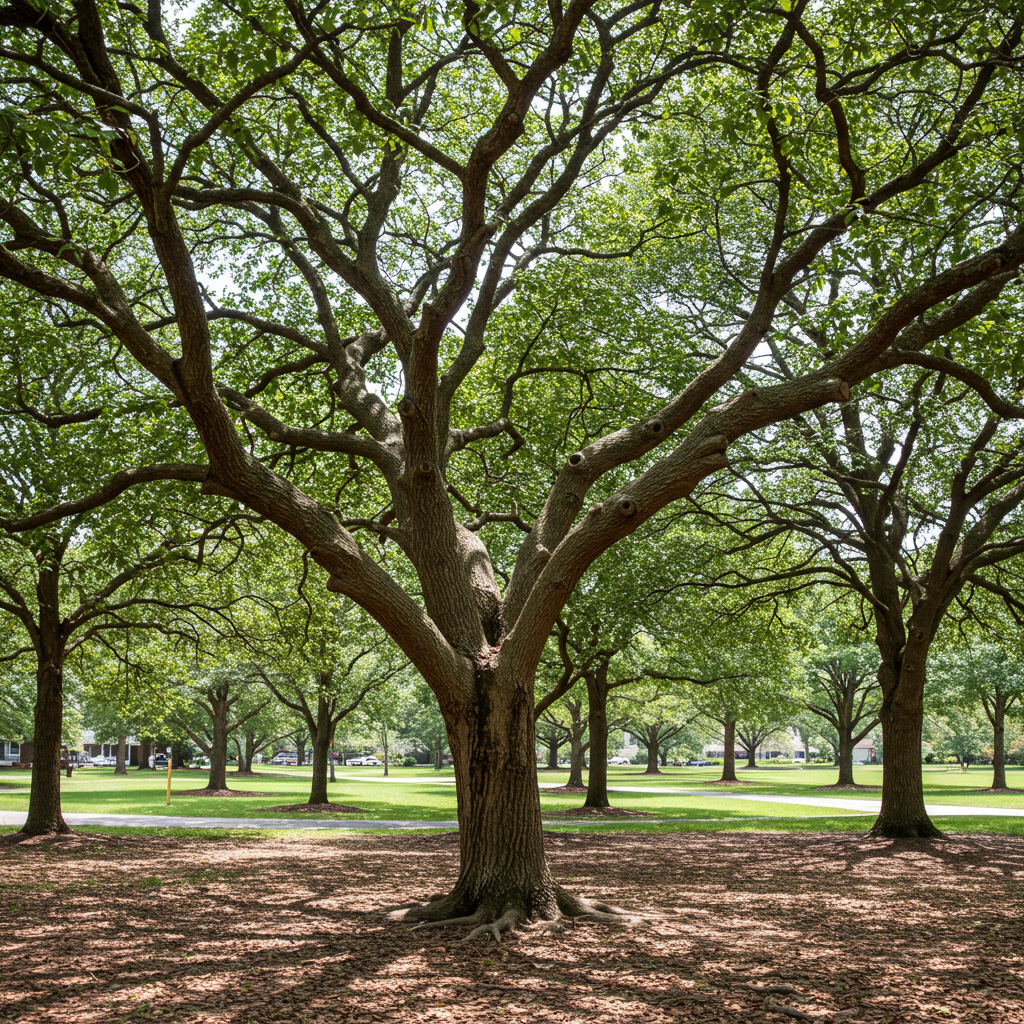
Expert Tree Health: Diagnosing & Treating Common Ailments in Tampa
What are the most common signs of tree distress in Tampa?
Trees, like any living organism, communicate their health through various signs and symptoms. In Tampa's unique subtropical environment, recognizing these signals early can be the difference between a minor issue and irreversible damage. A healthy tree typically boasts vibrant foliage, strong branches, and steady growth. When things go awry, your tree will start to show it.
- Leaf Discoloration: Yellowing (chlorosis), browning, purpling, or atypical red hues can indicate nutrient deficiencies, water stress, disease, or pest infestation. Look for patterns – is it uniform, or in spots, or affecting only certain veins?
- Wilting or Drooping Leaves: This often points to insufficient water, root damage, or a vascular disease blocking water uptake. In Tampa's heat, temporary wilting can be normal, but persistent wilting is a red flag.
- Premature Leaf Drop: Losing leaves outside of their natural shedding cycle can be a sign of severe stress, disease, or pest activity.
- Stunted Growth: If your tree isn't growing as expected, or if new growth is noticeably smaller than previous years, it could be suffering from poor soil, root problems, or a chronic ailment.
- Branch Dieback: Dead or dying branches, especially in the canopy, can signify disease, insect boring, or internal decay. Observe if the dieback is spreading.
- Bark Changes: Cracks, peeling, cankers (sunken lesions), unusual growths, or the presence of fungal conks (mushrooms) on the bark are all serious indicators of disease or decay.
- Insect Activity: Visible pests (aphids, scale, caterpillars), webbing, sawdust around the trunk, or exit holes can confirm an infestation.
- Fungal Growths: Mildew, rusts, or other fungal structures on leaves, bark, or at the base of the tree often indicate a fungal infection.
Regularly inspecting your trees, especially after periods of extreme weather, empowers you to detect these distress signals promptly. Catching these issues early is crucial for effective intervention.
How do Tampa's unique climate and soil affect tree health?
Tampa's climate is a beautiful but challenging environment for many trees. The combination of high heat, intense humidity, heavy rainfall, and hurricane seasons creates specific stressors that can predispose trees to problems. Understanding these factors is key to providing appropriate care.
- High Humidity & Heat: The constant humidity and elevated temperatures throughout much of the year create an ideal breeding ground for many fungal diseases, such as powdery mildew, leaf spot fungi, and various blights. Heat stress can also weaken trees, making them more susceptible to pests and diseases.
- Sandy Soils: Much of Tampa's native soil is sandy, which drains very quickly. While good for preventing root rot in some species, it often leads to nutrient leaching. Trees in these soils may struggle with deficiencies in essential minerals like iron, manganese, or magnesium, leading to chlorosis (yellowing leaves).
- Heavy Rainfall & Potential for Drought: Tampa experiences distinct wet and dry seasons. Heavy summer rains can lead to waterlogged soils, promoting root rot in trees not adapted to constantly moist conditions. Conversely, prolonged dry spells, especially in late spring, can cause significant drought stress, impacting a tree's vigor and making it vulnerable.
- Hurricane Season: Beyond physical damage from high winds, hurricanes introduce significant stress through soil saturation, potential root disturbance, and increased humidity, which can exacerbate fungal issues in damaged tissues.
- Saltwater Intrusion: For trees near coastal areas, saltwater spray or intrusion into the soil can cause severe stress, leading to leaf burn, defoliation, and eventual death if not addressed.
These environmental factors mean that tree care in Tampa isn't a one-size-fits-all approach. It requires specific strategies to mitigate these challenges and ensure trees thrive.
What pests and diseases commonly attack Tampa trees?
Tampa's warm and moist environment, coupled with a diverse urban canopy, makes it a hotspot for various tree pests and diseases. Identifying the specific culprit is the first step toward effective treatment.
Common Pests:
- Aphids & Scale Insects: These tiny insects feed on plant sap, leading to yellowing leaves, stunted growth, and sticky "honeydew" residue, which can encourage sooty mold growth. Oaks, crepe myrtles, and citrus are frequent targets.
- Whiteflies: Similar to aphids, whiteflies are small, winged insects that cluster on the undersides of leaves, causing yellowing and producing honeydew.
- Borers: These insects tunnel into the tree's trunk and branches, disrupting nutrient flow. Signs include small exit holes, sawdust-like frass, and dying branches. Oak borers and ambrosia beetles are common threats.
- Caterpillars & Webworms: While some are harmless, others can defoliate trees rapidly. Fall webworms are known for creating large silk nests on branches, particularly on pecans and elms.
- Mites: Tiny arachnids that cause stippling (tiny dots) on leaves, leading to bronzing or yellowing. Often thrive in hot, dry conditions.
Common Diseases:
- Ganoderma Butt Rot: A devastating fungal disease primarily affecting palm trees in Florida. It causes a large, shelf-like conk (mushroom) to form on the trunk, indicating advanced internal decay. Unfortunately, there's no cure, and infected palms pose a significant fall risk.
- Oak Wilt: Though less prevalent in Florida than in other states, it's a serious vascular disease that can quickly kill oaks. Symptoms include rapid wilting and browning of leaves from the top down.
- Fungal Leaf Spots: Numerous fungi cause spots on leaves, especially during wet periods. While unsightly, they are often cosmetic for mature trees but can weaken young trees.
- Powdery Mildew: Appears as a white, powdery coating on leaves, particularly on crepe myrtles. It can distort new growth and reduce flowering.
- Citrus Canker & Greening: Highly destructive bacterial diseases affecting citrus trees, causing lesions on fruit and leaves, and eventually tree decline. These are major concerns for any citrus grown in Tampa.
- Root Rot: Caused by various fungi in overly wet soil conditions, leading to root decay, wilting leaves, and overall tree decline. Common in poorly drained areas or overwatered landscapes.
Accurate identification of both the pest and disease is critical. Incorrect treatment can be ineffective or even harmful to your tree and the environment.
When should I call a professional arborist for my Tampa tree?
While basic tree observation is within every homeowner's grasp, many tree ailments require the specialized knowledge and equipment of a certified arborist. Knowing when to call in the experts can save your tree and prevent future problems.
- Complex Diagnosis: If you've observed signs of distress but can't pinpoint the cause, a certified arborist has the training to diagnose complex issues, whether it's a rare disease, nutrient deficiency, or a subtle environmental stressor.
- Advanced Disease or Infestation: For serious or spreading diseases (like Ganoderma butt rot) or widespread pest infestations, professional intervention with targeted treatments is often necessary. DIY solutions are rarely effective for advanced issues.
- Large Tree Work: Any work involving large trees, especially near homes, power lines, or public spaces, carries significant risk. Pruning, removal, or even treating large trees requires specialized equipment, safety protocols, and expertise that only a professional arborist possesses.
- Structural Issues: If a tree has leaning, included bark, large cracks, or signs of internal decay, it could be structurally unsound. An arborist can perform a risk assessment and recommend bracing, cabling, or removal to ensure safety.
- Post-Storm Assessment: After a hurricane or severe storm, a professional arborist can assess damage, identify hidden weaknesses, and recommend appropriate actions to save the tree or safely remove hazardous parts.
- Preventive Care & Long-Term Health: For proactive measures like deep root fertilization, soil analysis, preventative pest/disease treatments, or developing a long-term tree health plan tailored to Tampa's conditions, an arborist is your best resource.
- New Tree Planting Advice: Ensuring the right tree is planted in the right place, with proper planting techniques for Tampa's soil, will significantly impact its long-term health.
Don't wait until it's too late. If you suspect your tree is suffering, or if you simply want to ensure its long-term health and vitality, reaching out to a professional is the smartest move. The certified arborists at Tampa Tree Care Specialists have extensive experience with Tampa's specific tree challenges, from diagnosing elusive diseases to implementing effective treatment plans. We understand the local climate, soil, and common threats, providing expert care to keep your trees healthy and beautiful. Contact us today for a comprehensive assessment and peace of mind for your Tampa landscape.
Need Professional Assistance?
Get a free, no-obligation estimate from our expert local team today.