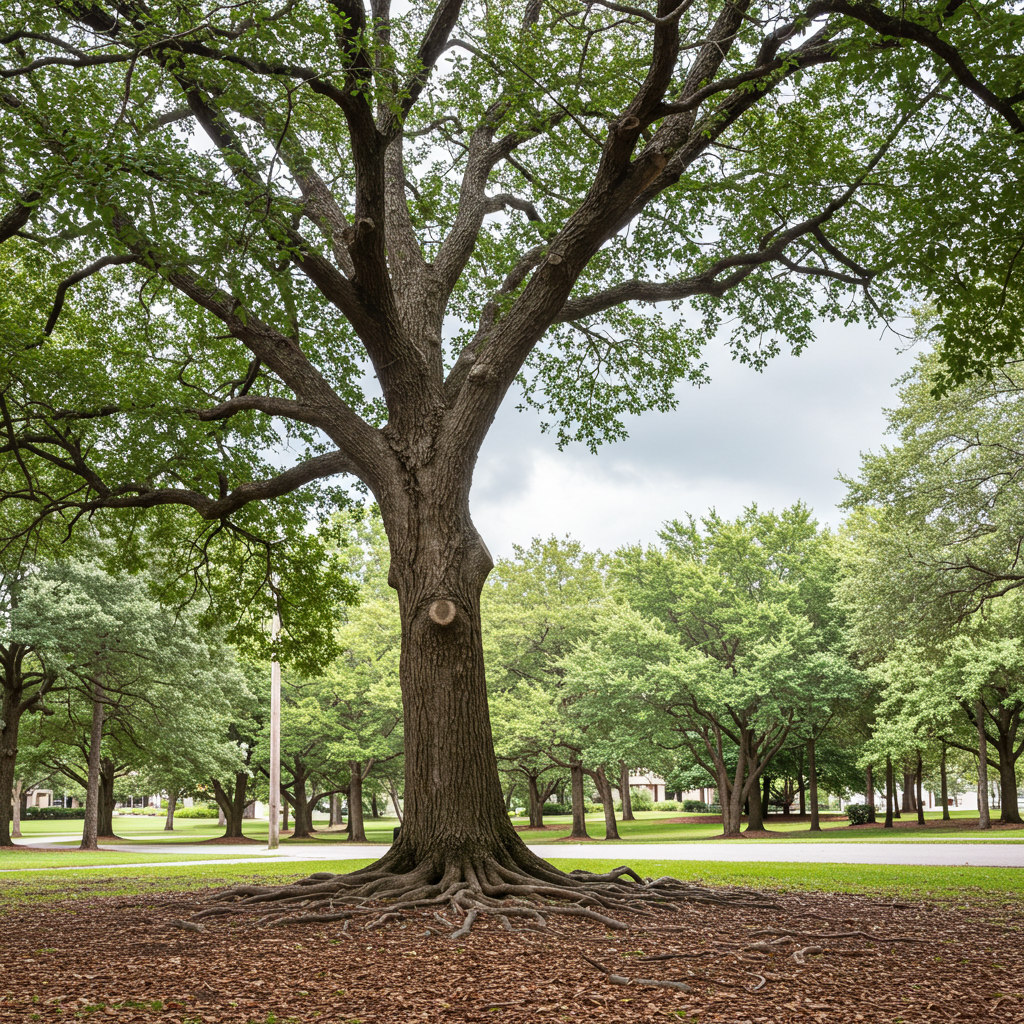
Busting Common Tampa Tree Care Myths: Expert Advice for Healthier Trees
In the vibrant, subtropical landscape of Tampa, your trees face unique challenges, from intense sun and humidity to hurricane season. Proper tree care is not just about aesthetics; it's about fostering resilience and longevity. Unfortunately, well-meaning but misinformed practices often undermine these efforts. At Tampa Tree Care Specialists, we encounter numerous misconceptions that can lead to significant problems for your beloved trees. Understanding the truth behind these common myths is the first step toward providing truly effective care.
Does Topping a Tree Make It Stronger and Healthier in Tampa?
One of the most persistent and damaging myths in tree care is that "topping" a tree—severely cutting back large branches to stubs—makes it stronger or promotes healthier growth. In reality, topping is one of the worst things you can do to a tree, especially in a high-stress environment like Tampa.
When a tree is topped, it reacts by sending out numerous weak, fast-growing shoots called 'water sprouts' or 'suckers' directly below the cuts. These sprouts:
- Are structurally weak: They are poorly attached to the main branch and are highly prone to breaking, especially during Tampa's strong winds and hurricanes. This creates significant hazards.
- Lead to decay: The large, open wounds left by topping often fail to seal properly, becoming entry points for pests, diseases, and fungal infections. This decay weakens the tree from within.
- Cause stress: Topping removes a large portion of the tree's leaf-producing crown, severely reducing its ability to photosynthesize and produce food. This stress makes the tree vulnerable and can shorten its lifespan.
- Result in an unnatural appearance: Topped trees develop an ugly, disfigured growth pattern that can take decades to recover from, if ever.
Instead of topping, professional arborists recommend proper pruning techniques such as thinning, reduction cuts, and structural pruning. These methods remove specific branches to improve the tree's health, structure, and aesthetic appeal without causing severe stress or creating hazards. Proper pruning mimics natural branch shedding and encourages strong, balanced growth.
Do Tree Wounds Always Need Sealing to Prevent Disease in Tampa?
Another common misconception is that applying a wound dressing or "tree paint" to a fresh cut will help the tree heal faster and prevent disease. For decades, this was a standard practice, but modern arboricultural research has largely debunked this myth.
Trees do not heal in the same way animals do. They compartmentalize. This process, called Compartmentalization of Decay in Trees (CODIT), involves the tree creating chemical and physical barriers to wall off injured or infected tissue, preventing the spread of decay. Applying wound dressings typically:
- Traps moisture: Many dressings create a barrier that can trap moisture against the wound, providing an ideal environment for fungi and bacteria to grow, rather than deterring them.
- Inhibits natural healing: The tree's natural healing process involves forming callus tissue around the wound. Dressings can interfere with this process, slowing down closure.
- Offers no proven benefit: Studies have shown that wound dressings generally offer no benefit in preventing decay or promoting faster healing, and in many cases, they can be detrimental.
The best thing you can do for a tree wound is to ensure it's a clean cut made with sharp tools. This minimizes the surface area for infection and allows the tree to begin its natural compartmentalization process efficiently. There are very rare, specific instances where a arborist might recommend a protective barrier (e.g., to prevent specific insect infestations that transmit disease), but these are exceptions, not the rule, and should only be applied by a professional.
Is More Water Always Better for Young Trees in Tampa's Climate?
Given Tampa's hot climate, many homeowners assume that young trees need constant, heavy watering to establish themselves. While adequate water is crucial for new plantings, overwatering can be just as, if not more, detrimental than underwatering.
Overwatering leads to:
- Root rot: Saturated soil deprives roots of oxygen, causing them to rot. This significantly weakens the tree, makes it unable to absorb nutrients, and can lead to its death.
- Shallow root systems: Trees that are consistently watered lightly and frequently tend to develop shallow root systems, making them less resilient to drought and high winds later in life.
- Nutrient leaching: Excessive watering can wash away essential nutrients from the root zone, starving the tree.
The key to proper watering for young trees in Tampa is to water deeply and infrequently. This encourages roots to grow deeper into the soil, seeking out moisture. Here's how:
- Check soil moisture: Before watering, check the soil 2-3 inches deep. If it's moist, wait.
- Water slowly and deeply: Use a soaker hose or allow a hose to trickle slowly over the root ball for several hours to allow water to penetrate deep into the soil.
- Consider soil type: Sandy soils (common in Tampa) drain faster and may need more frequent watering than clay soils.
- Adjust for weather: During periods of heavy rain, reduce or eliminate supplemental watering. During droughts, increase frequency.
Once established, most native or adapted trees can tolerate Tampa's natural rainfall patterns, though supplemental watering during prolonged dry spells is still beneficial.
Can I Safely Remove Large Branches Myself to Save Money in Tampa?
The desire to save money often leads homeowners to consider DIY tree care, especially for what seem like simple tasks like removing a large overhanging branch. However, attempting to remove large branches or entire trees without professional training, equipment, and insurance is incredibly dangerous and often leads to more expense and problems.
The risks of DIY large tree work include:
- Personal injury: Falls from ladders, cuts from saws, and branches falling unexpectedly can cause severe injury or even death.
- Property damage: An incorrectly cut branch can fall onto your home, fence, car, or a neighbor's property, leading to costly repairs.
- Tree damage: Improper cuts can damage the tree's collar, create large wounds that won't heal, or compromise the tree's structural integrity, leading to future hazards or disease.
- Lack of insurance: If you or someone helping you gets injured, or if property is damaged, you could be held liable, potentially bankrupting you.
Professional arborists, like those at Tampa Tree Care Specialists, are highly trained, certified, and equipped with specialized tools and safety gear to handle large tree removals safely and efficiently. They understand tree biology, proper cutting techniques, and how to assess risks. Furthermore, a reputable company carries comprehensive insurance, protecting both their workers and your property.
When it comes to large branches, significant pruning, or tree removal, the perceived savings of DIY often evaporate in the face of potential hazards and future costs. Investing in professional service is an investment in safety, tree health, and peace of mind.
Understanding these common tree care myths is vital for every Tampa homeowner. By avoiding these pitfalls and embracing science-backed arboricultural practices, you can ensure your trees remain healthy, beautiful, and safe for years to come. If you have questions about your trees or need expert advice and services, don't hesitate to contact Tampa Tree Care Specialists. Our certified arborists are here to provide professional, reliable care that helps your trees thrive and protects your property.
Need Professional Assistance?
Get a free, no-obligation estimate from our expert local team today.