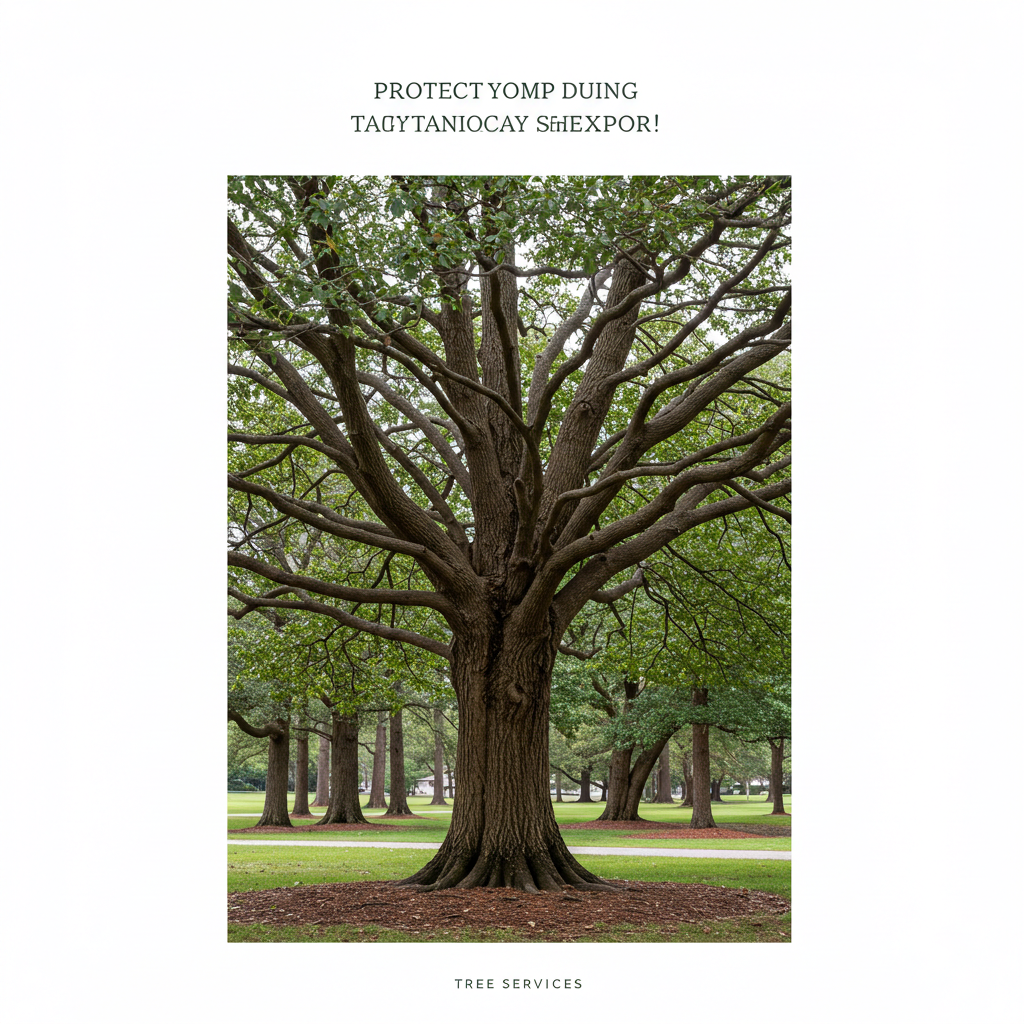
Protect Your Tampa Trees: Understanding Decay, Cavities, and When to Call an Expert
Tampa's lush landscape is a source of beauty and value for homeowners, but beneath the vibrant canopy, unseen threats like tree decay and cavities can quietly jeopardize a tree's health and stability. Understanding these issues is vital for every Tampa property owner, not just for the tree's well-being but for the safety of your home and loved ones. Decay can weaken a tree from the inside out, making it susceptible to failure, especially during our intense hurricane seasons. This guide will walk you through what causes tree decay, how to spot the warning signs, assess the risk, and most importantly, when to seek expert help.
What Causes Tree Decay and Cavities in Tampa's Climate?
Tree decay is a natural process where wood-destroying fungi decompose dead wood. However, when these fungi invade living tree tissue, they can cause significant structural damage, leading to cavities. Several factors contribute to the onset and progression of decay in Tampa's unique environment:
- Wounds and Injuries: This is the most common entry point for decay-causing fungi. Wounds can result from:
- Improper pruning techniques (flush cuts, stub cuts).
- Storm damage (broken branches, lightning strikes).
- Mechanical damage (lawnmowers, weed whackers, construction activities).
- Animal damage (borers, woodpeckers).
- Pest Infestations: Certain insects, like bark beetles and carpenter ants, bore into trees, creating channels that fungi can exploit. While the insects themselves might cause some damage, their primary threat often lies in providing entry points for more destructive decay organisms.
- Environmental Stress: Trees under chronic stress are more vulnerable to decay. Factors contributing to stress in Tampa include:
- Drought or over-watering.
- Poor soil conditions (compaction, nutrient deficiencies).
- Transplant shock.
- Disease outbreaks.
- Root Damage: Damage to a tree's root system, whether from construction, compaction, or disease, can reduce its ability to absorb water and nutrients, leading to overall stress and increased susceptibility to decay in the trunk and branches.
Understanding these causes helps homeowners recognize potential vulnerabilities and take preventative measures to protect their trees.
How Can I Identify Signs of Internal Decay in My Tampa Tree?
Internal tree decay can be insidious, often developing unseen for years. However, careful observation can reveal external indicators that suggest internal issues. Identifying these signs early can be critical for timely intervention:
- Fruiting Bodies (Mushrooms, Conks, Brackets): The most obvious sign of decay-causing fungi are their fruiting bodies emerging from the trunk, branches, or root flare. These indicate active fungal growth within the tree. Different types of fungi cause different decay patterns (e.g., white rot, brown rot), and their fruiting bodies can vary in appearance.
- Cavities and Holes: Visible holes or depressions in the trunk or branches are clear signs of decay. These can range from small openings to large, hollowed-out sections. Sometimes, a cavity might be hidden behind bark that appears intact.
- Cracks and Splits: Vertical or horizontal cracks, especially those extending deep into the wood, can indicate structural weakness dueore to internal decay. Frost cracks or cracks from storm damage can also provide entry points for decay.
- Discolored or Soft Wood: If you can safely access areas where wood is exposed (e.g., old pruning wounds), probe it gently. Soft, punky, or discolored wood beneath the surface is a strong indicator of decay.
- Swollen Areas or Bulges: A tree may attempt to compartmentalize decay by growing around it, sometimes creating swollen areas or bulges on the trunk or branches. This can be a sign that the tree is reacting to an internal threat.
- Excessive Deadwood: While some dead branches are normal, an unusual amount of deadwood in the canopy, especially larger branches, can signal underlying health issues, including decay.
- Leaf Discoloration or Premature Drop: Although these are general signs of tree stress, when combined with other indicators, they can point to advanced decay affecting the tree's vascular system.
Remember, internal decay is often much more extensive than what is visible externally. What looks like a small mushroom could signify significant internal hollowing.
When Is a Tree Cavity a Serious Threat to My Tampa Property?
Not all tree cavities pose an immediate threat, but many can indicate significant structural compromise. Assessing the danger requires a professional eye, but homeowners can look for key indicators:
- Location of the Cavity: A cavity at the base of the trunk or in major scaffold branches (primary limbs) is generally more concerning than one in a smaller, non-essential branch. Decay near the ground line or root flare significantly impacts the tree's overall stability.
- Size and Depth: The larger and deeper the cavity, the more wood has been compromised, reducing the tree's structural support. A cavity that encircles more than one-third of the trunk's circumference is often a serious concern.
- Presence of Fruiting Bodies: Active fungal growth, indicated by fresh mushrooms or conks, means the decay is ongoing and progressing. This is a critical warning sign.
- Tree Species: Some tree species are inherently more brittle or less able to compartmentalize decay effectively than others. Understanding the species of your Tampa tree can help assess its natural resilience.
- Lean or Imbalance: If the tree has a noticeable lean, especially if it coincides with a cavity on the opposite side or base, its stability is compromised. An imbalanced canopy can also exacerbate stress on decayed areas.
- Cracks Radiating from the Cavity: New cracks extending from the edges of a cavity indicate the tree is under immense stress and failing.
- Proximity to Targets: This is paramount in Tampa. A decaying tree near your home, driveway, car, power lines, or children's play areas poses a much higher risk than one in an open field. The potential for property damage or injury escalates with the presence of a target.
- After a Storm: A tree with existing decay is far more likely to fail during a hurricane or strong thunderstorm. Any signs of decay should prompt an immediate inspection after severe weather.
If you observe any of these serious indicators, it's crucial to contact a certified arborist immediately. Waiting can turn a manageable problem into a catastrophic one.
What Are the Professional Solutions for Decaying Trees in Tampa?
When decay or cavities are discovered, professional intervention by a certified arborist is essential. They possess the knowledge and tools to accurately assess the tree's condition and recommend the best course of action. Solutions vary depending on the extent of the decay, the tree species, and the associated risks:
- Comprehensive Tree Assessment: The first step is a thorough inspection by a qualified arborist. This may involve:
- Visual Tree Assessment (VTA): A detailed visual inspection for external signs of decay, structural defects, and overall health.
- Resistograph or Tomography: Advanced tools that can non-invasively measure the internal density of the wood, creating a profile of internal decay without damaging the tree.
- Root Collar Excavation: To check for decay or girdling roots at the base of the trunk.
- Pruning for Safety and Health:
- Deadwood Removal: Removing dead, dying, or diseased branches eliminates potential entry points for decay and reduces the load on the tree.
- Crown Thinning: Strategically removing interior branches can improve air circulation, reduce wind resistance, and minimize stress, benefiting overall tree health.
- Hazard Pruning: Removing branches with advanced decay that pose an immediate risk to property or people.
- Cabling and Bracing: For trees with significant structural weakness but otherwise good health, a professional arborist may install cables or braces to provide supplemental support to limbs or trunks. This is a last resort to extend the life of a valuable tree, but it doesn't address the decay itself.
- Disease Management and Treatment: If the decay is linked to a specific fungal disease, the arborist may recommend treatments to mitigate the disease's progression, although internal decay is often difficult to reverse once established. Prevention is key.
- Tree Removal: Unfortunately, for trees with extensive internal decay, especially those posing a significant risk to people or property, removal may be the only safe option. An arborist can safely execute tree removal, minimizing risks to your property. Factors influencing this decision include:
- The percentage of decay in the trunk or major limbs.
- The location of the tree relative to targets.
- The tree's overall health and ability to recover.
- Ongoing Monitoring: Even if a tree is treated, ongoing monitoring by an arborist is crucial to track the decay's progression and ensure the tree remains safe.
Don't let unseen decay turn your beautiful trees into a hidden hazard. At Tampa Tree Care Specialists, our certified arborists are experts in diagnosing and treating tree decay and cavities in Tampa. We use state-of-the-art assessment techniques to accurately evaluate your tree's health and provide tailored solutions, from strategic pruning to safe removal, ensuring the longevity and safety of your landscape. Contact us today for a comprehensive tree health assessment and protect your property from potential risks.
Need Professional Assistance?
Get a free, no-obligation estimate from our expert local team today.