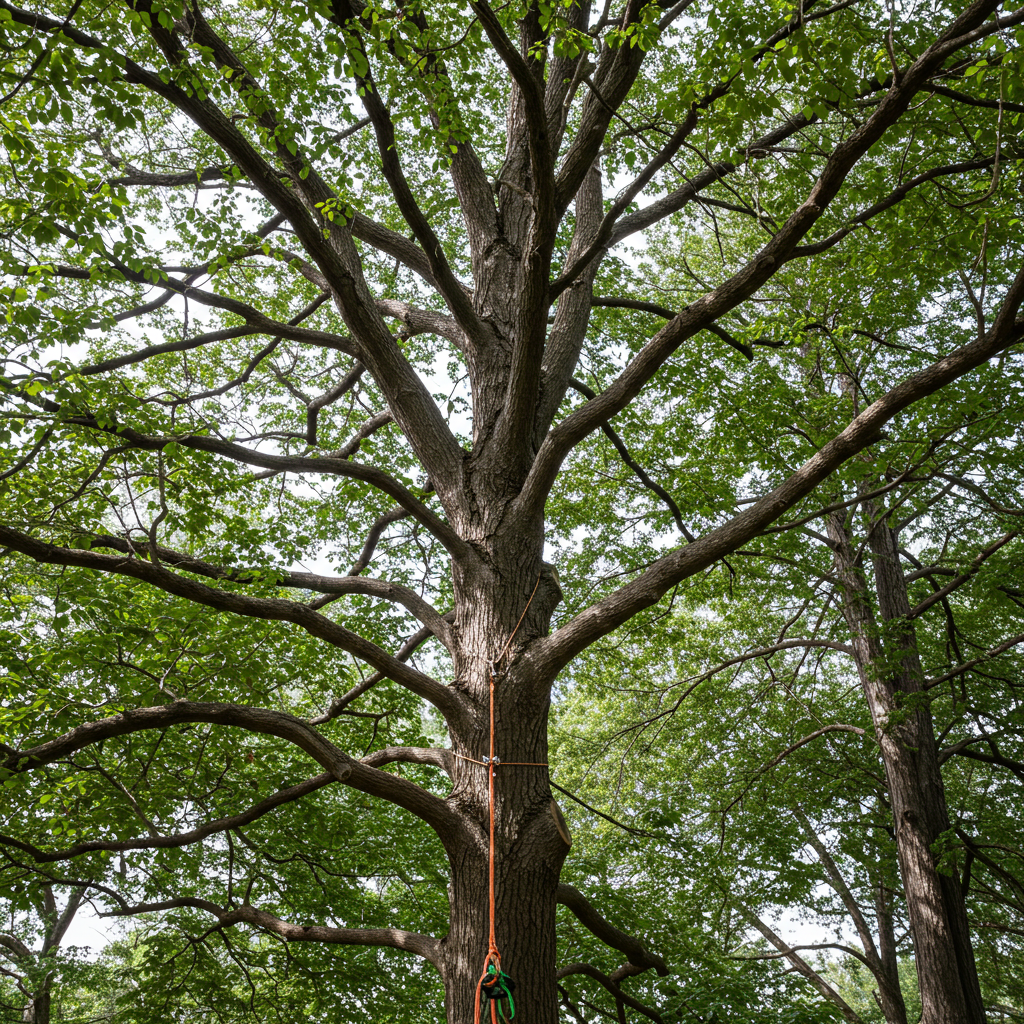
Is Your Tampa Tree Hiding a Danger? Uncover & Prevent Internal Decay
Detecting internal tree decay in Tampa often requires a professional assessment, but visible signs like fungal growth on the trunk, unexplained wounds, excessive dead branches, and sudden leaf loss can indicate a problem. Internal decay can weaken a tree's structure, making it prone to failure, especially during storms.
As Tampa homeowners, we cherish the lush, tropical canopy our trees provide. They offer shade, enhance curb appeal, and contribute to our vibrant ecosystem. However, beneath the healthy exterior of a majestic oak or a towering palm, a silent threat might be lurking: internal tree decay. Unlike obvious diseases or pest infestations, internal decay can progress unnoticed for years, slowly compromising the structural integrity of your tree. This hidden danger can turn a beautiful landscape feature into a significant liability, especially with Tampa's unpredictable weather patterns. Understanding how to identify, prevent, and manage internal tree decay is crucial for maintaining a safe and beautiful property. This guide from Tampa Tree Care Specialists will help you decode the secrets of hidden decay and protect your valuable trees.
What Are the Hidden Dangers of Internal Tree Decay for Tampa Homeowners?
The primary danger of internal tree decay lies in its ability to severely weaken a tree's structure without any immediate, obvious external symptoms. This means a tree might appear robust and healthy on the outside, while its core is slowly turning into a hollow shell. For Tampa homeowners, this presents several critical risks:
- Increased Risk of Tree Failure: Decayed wood loses its strength and elasticity, making the tree or its branches highly susceptible to breaking. This risk is dramatically amplified during Tampa's hurricane season or severe thunderstorms, where strong winds and heavy rainfall can easily topple weakened trees.
- Property Damage: A falling tree or limb can cause extensive damage to homes, vehicles, fences, and other structures. Repair costs can be exorbitant, often exceeding the perceived value of the tree itself.
- Personal Injury or Fatality: The most severe consequence of tree failure is the potential for serious injury or even death to residents, pets, or visitors. This is a risk no homeowner should ever underestimate.
- Liability Concerns: If a decayed tree on your property causes damage or injury to a neighbor's property or an individual, you could be held liable. Proactive tree care, including regular inspections for decay, is a vital part of responsible property ownership in Tampa.
- Reduced Tree Lifespan and Value: Even if a decayed tree doesn't immediately fail, its health is compromised, leading to a shorter lifespan and diminished aesthetic and property value. Removing a large, decayed tree can also be more complex and costly than maintaining a healthy one.
Early detection and intervention are key to mitigating these dangers. Ignoring the potential for internal decay is a gamble that no Tampa homeowner should take with their property or safety.
How Can You Spot the Early Signs of Tree Decay in Your Tampa Yard?
While internal tree decay is by nature hidden, trees often communicate their distress through subtle, external indicators if you know what to look for. Regular, attentive observation of your trees can help you catch problems before they escalate. Here are key signs Tampa homeowners should watch for:
- Fungal Growths (Conks, Mushrooms): Perhaps the most telling sign of internal decay is the presence of fungal fruiting bodies, such as mushrooms or conks, growing on the trunk, main branches, or at the base of the tree. These fungi are the visible part of organisms that are actively decomposing the internal wood. Different fungi attack different types of wood, but any fungal growth warrants immediate investigation.
- Open Cavities, Cracks, or Holes: Visible holes, deep cracks, or existing cavities in the trunk or major limbs can be entry points for decay-causing fungi and can also indicate advanced internal rot. Pay close attention to how deep these go and if water is pooling inside them.
- Swollen Areas at the Base or Trunk: Unusual bulges or swollen areas around the base of the tree or along the trunk can sometimes indicate an attempt by the tree to wall off or compartmentalize decay. While a tree's natural defense mechanism, it also confirms the presence of decay.
- Excessive Sap Exudation or Bleeding: While some trees naturally exude sap, excessive or unusual sap flow from specific areas of the trunk, especially accompanied by discoloration or a foul odor, can be a sign of internal distress or decay.
- Thinning Canopy or Premature Leaf Drop: A tree that is significantly stressed by internal decay may not be able to transport water and nutrients effectively. This can lead to a sparse canopy, smaller-than-normal leaves, or leaves that yellow and drop prematurely, even outside of drought conditions or the typical seasonal cycle.
- Dead Branches: While some dead branches are normal, an unusual number of dead branches, particularly larger ones, or branches dying back from the tips inward, can indicate a systemic problem including internal decay affecting the tree's vascular system.
Remember, these signs can be subtle. If you observe any of these indicators on your Tampa trees, it's wise to seek professional assessment.
What Preventative Measures Can Tampa Residents Take Against Tree Rot?
Preventing internal tree decay is far more effective and less costly than treating or removing a severely compromised tree. Proactive tree care practices are essential for maintaining healthy, decay-resistant trees in the Tampa environment. Here's what you can do:
- Proper Pruning Techniques: Incorrect pruning creates large wounds that can serve as entry points for decay-causing fungi. Always make clean cuts at the appropriate location (just outside the branch collar). Avoid flush cuts or leaving stubs. For larger limbs, hire a professional arborist who understands proper techniques to minimize wound size and promote rapid healing.
- Avoid Mechanical Damage: Be mindful of lawnmowers, weed whackers, and construction equipment around tree trunks. Even minor wounds to the bark can break the tree's protective layer, exposing the inner wood to pathogens. Create a mulch ring around the base of trees to keep equipment away and provide beneficial nutrients.
- Ensure Good Soil Health and Drainage: Trees thrive in well-drained, nutrient-rich soil. Compacted soil, poor drainage, or standing water can stress trees, making them more vulnerable to decay. Improve soil aeration and structure by adding organic matter and mulching properly.
- Appropriate Watering and Fertilization: Provide adequate water, especially during dry spells, to prevent drought stress. However, avoid overwatering, which can lead to root rot. Similarly, use fertilizers judiciously and based on soil test results, as excessive fertilization can also stress trees. A healthy tree is better equipped to fight off decay.
- Regular Inspections: Periodically walk around your trees and visually inspect them from all angles, especially after strong winds or storms. Look for any of the signs mentioned above. Early detection significantly improves the chances of successful intervention.
- Planting the Right Tree in the Right Place: Choose tree species well-suited to Tampa's climate and soil conditions, and ensure they have enough space to grow without interference from structures or other trees. A tree that is stressed from the outset is more likely to develop problems.
Implementing these preventative measures will significantly bolster your trees' natural defenses against internal decay, helping them remain strong and beautiful for years to come.
When Should Tampa Homeowners Call a Professional for Tree Decay Assessment?
While homeowner vigilance is important, accurately diagnosing and managing internal tree decay often requires the expertise of a certified arborist. Knowing when to call a professional from Tampa Tree Care Specialists can make all the difference in protecting your property and preserving your trees.
- Any Visible Signs of Decay: If you observe any of the early warning signs discussed above – fungal growth, cavities, significant cracks, or unusual sap flow – it's time to call an expert. A professional arborist can determine the extent of the decay and recommend the appropriate course of action.
- Tree Leaning Significantly: While some trees naturally grow with a slight lean, a sudden or increasing lean can indicate structural instability, potentially due to internal decay at the base or root system. This is a critical safety concern.
- Large Dead Branches: If large branches die suddenly or if there's a significant amount of deadwood in the canopy, it could be a sign of widespread internal issues.
- After Severe Weather Events: Following hurricanes, tropical storms, or even strong thunderstorms in Tampa, have your trees inspected. Wind and rain can exacerbate existing decay or create new entry points for pathogens, and an arborist can assess for hidden damage.
- For Routine Health Assessments: Even without obvious signs of trouble, mature trees or those in high-traffic areas benefit from routine professional inspections. An arborist can use specialized tools like resistographs or sonic tomography to assess the internal condition of a tree without causing harm, identifying hidden decay before it becomes visible externally.
- Concern for Tree Health and Safety: If you simply have a general concern about the health or safety of a tree on your property, don't hesitate to reach out. It's always better to be proactive than reactive when it comes to tree risks.
Tampa Tree Care Specialists have the knowledge, experience, and equipment to accurately diagnose internal tree decay, assess risk, and implement effective treatment or removal strategies. Our certified arborists understand the unique challenges faced by trees in the Tampa Bay area and are dedicated to ensuring the health and safety of your landscape.
Don't let hidden internal decay turn your cherished Tampa trees into a hazard. By staying vigilant, practicing proactive care, and knowing when to consult a professional, you can ensure your trees remain a safe and beautiful asset to your property. If you suspect internal decay or simply want peace of mind, contact Tampa Tree Care Specialists today for a comprehensive tree health assessment. Our expert team is ready to help you protect your investment and maintain the health and safety of your trees for years to come.
Need Professional Assistance?
Get a free, no-obligation estimate from our expert local team today.