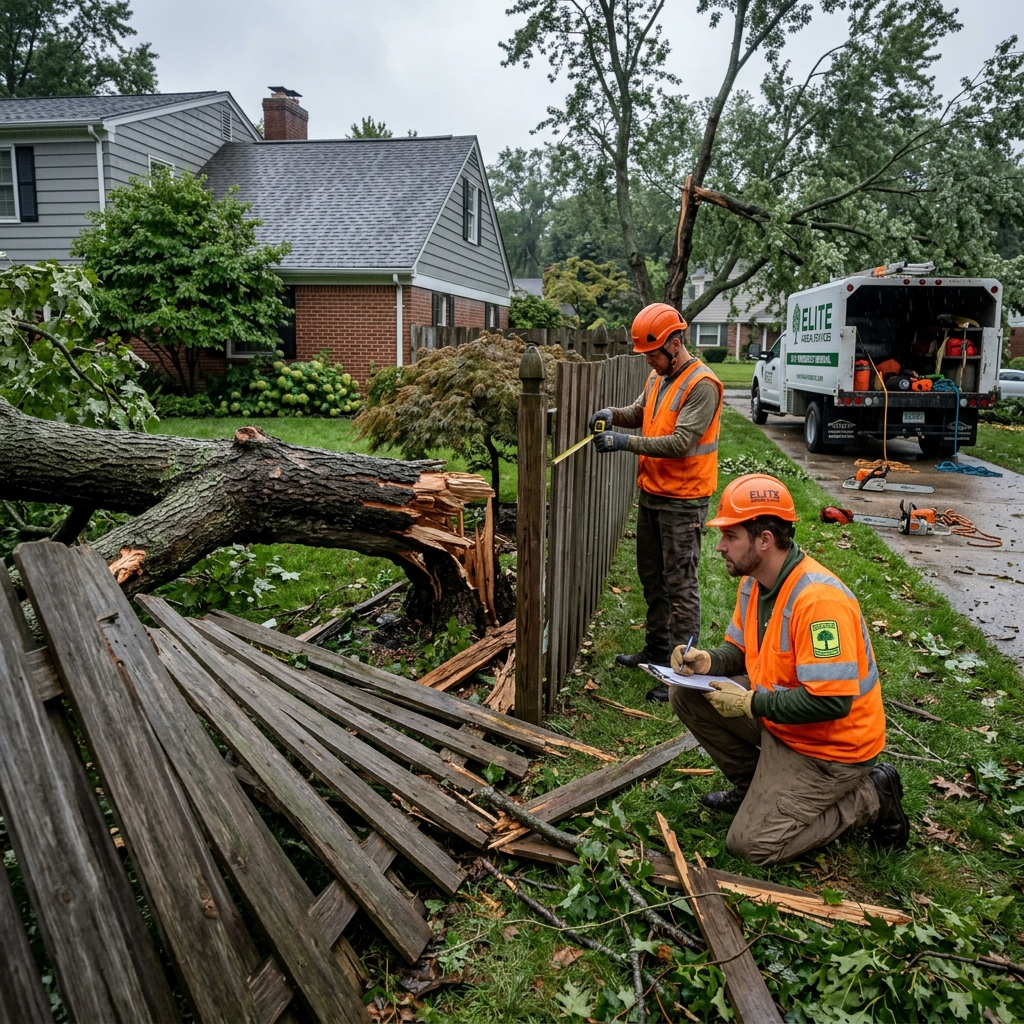
Protect Your Property: Urgent Signs Your Tampa Tree Needs Professional Care
As homeowners in Tampa, FL, we cherish our trees for their shade, beauty, and contribution to our vibrant ecosystem. However, trees are living organisms susceptible to diseases, pests, and environmental stress, especially in our unique subtropical climate. Ignoring subtle signs of distress can lead to significant risks, from falling limbs during hurricane season to irreversible tree decline. Understanding when to call a professional arborist is not just about aesthetics; it's about safeguarding your property, family, and investment.
What Are the Critical Signs of Tree Distress in Tampa?
Recognizing the red flags early can be the difference between a simple treatment and a costly removal. Here are the most critical indicators that your tree requires immediate professional assessment:
- Severe Leaning: A tree that suddenly or significantly shifts its lean, especially after heavy rains or strong winds, signals potential root failure or instability. This is particularly concerning if it leans towards your home, power lines, or high-traffic areas.
- Deep Cracks or Splits: Vertical or horizontal cracks in the trunk or major limbs indicate structural weakness. These can compromise the tree's integrity, making it prone to sudden breakage, especially during a storm. Splits near the base or where limbs attach are especially dangerous.
- Extensive Deadwood or Dieback: While some dead branches are normal, a large number of dead limbs or significant portions of the canopy dying back suggest serious underlying issues such as disease, pest infestation, or root problems. These branches are brittle and can fall unexpectedly.
- Fungal Growth at the Base or Trunk: Mushrooms, conks, or other fungal structures emerging from the tree's base, trunk, or major roots often indicate internal decay. Fungi are decomposers; their presence means the tree's structural wood is breaking down, making it dangerously weak.
- Sudden Leaf Discoloration or Premature Drop: Yellowing, browning, or wilting leaves outside of their natural seasonal cycle can point to drought stress, nutrient deficiencies, root damage, or disease. If your palm fronds are browning from the outside in, or oak leaves are losing vibrancy, it’s a concern.
- Pest Infestations: Visible signs of pests like sawdust trails (frass), boreholes in the bark, defoliation, or webs can indicate an active infestation. Common Tampa pests include ambrosia beetles, which target stressed trees, and various caterpillars that can defoliate trees quickly.
- Cankers or Bark Lesions: Sunken, discolored areas on the bark, sometimes oozing sap, are called cankers. These are often caused by fungi or bacteria and can girdle limbs or even the main trunk, disrupting nutrient flow.
How Does Tampa's Climate Affect Tree Health and What Should I Watch For?
Tampa's unique subtropical climate, characterized by hot, humid summers and mild winters, presents specific challenges for tree health that homeowners must be aware of. Our environment fosters unique vulnerabilities and accelerates certain problems.
- Hurricane Season Vulnerability: From June 1st to November 30th, our region faces the constant threat of hurricanes and tropical storms. Weakened or structurally unsound trees are significant hazards during these events. High winds can tear through canopies, snap compromised limbs, or even uproot entire trees, causing catastrophic damage to homes and property. Proactive pruning and assessment are vital.
- High Humidity and Heat: These conditions are a breeding ground for various fungal diseases, including root rot, powdery mildew, and leaf spot diseases. Trees under heat stress are also more susceptible to secondary infections and pest attacks. Ensuring proper drainage and air circulation around your trees can mitigate some risks.
- Specific Pests: Tampa is home to several tree pests that thrive in our climate. The invasive Ambrosia beetle, for example, targets stressed trees, boring into the trunk and introducing fungi that can quickly lead to tree death. Palm weevils are a constant threat to our iconic palm trees, often causing irreversible damage before signs are obvious. If you're experiencing similar concerns in nearby areas, seeking expert advice for Tree Services in St. Petersburg can provide peace of mind.
- Soil Conditions and Waterlogging: While sandy soils are common, periods of intense rainfall can lead to waterlogged conditions, stressing root systems and leading to oxygen deprivation, which makes trees susceptible to pathogens. Conversely, extended dry spells can cause drought stress. Proper irrigation and understanding your soil type are crucial.
When Is Tree Removal or Pruning the Safest Option for My Property?
Deciding between saving a tree and removing it is a complex choice that should always involve a certified arborist. While tree preservation is often the goal, sometimes removal is the only safe and responsible option.
- Irreparable Structural Damage: If a tree has extensive decay, a hollow trunk, or severe cracks that compromise its structural integrity beyond repair, it becomes an unacceptable risk. This is especially true for trees near homes, utility lines, or public areas.
- Advanced Disease or Pest Infestation: When a disease or pest infestation is too advanced to treat effectively, and the tree poses a risk of spreading the affliction to healthy trees on your property or your neighbors', removal may be necessary.
- Significant Storm Damage: Trees that have suffered severe damage from hurricanes or thunderstorms—such as a split trunk, extensive crown loss, or being uprooted—may be beyond saving. An arborist can assess the tree's viability and determine the safest course of action.
- Proximity to Structures or Utilities: A tree growing too close to your home, foundation, or power lines can cause ongoing issues, from root intrusion to physical damage during high winds. Sometimes, removal is the most practical long-term solution to prevent costly damage.
Professional pruning, on the other hand, is a preventative measure. It involves the selective removal of branches to improve tree health, enhance structural integrity, increase light penetration, and reduce risks. Removing dead, diseased, or weak limbs reduces the potential for future damage and prolongs the tree's life.
What to Expect During a Professional Tree Inspection in Tampa?
When you contact Tampa Tree Care Specialists, you're initiating a thorough, expert-led process designed to give you clarity and peace of mind. Here's what typically happens during a professional tree inspection:
- Initial Consultation: We'll begin with a detailed discussion about your concerns, the history of the tree, and any specific issues you've observed.
- On-Site Visual Assessment: Our certified arborists will conduct a comprehensive visual inspection of the entire tree—from the crown to the roots. We'll look for:
- Canopy Health: Assessing leaf color, size, density, and any signs of premature leaf drop or defoliation.
- Branch Structure: Identifying weak branch unions, crossing branches, deadwood, or structural flaws.
- Trunk Integrity: Checking for cracks, cankers, fungal growth, boreholes, or signs of decay.
- Root Collar and Base: Examining the area where the trunk meets the ground for root girdling, fungal fruiting bodies, soil compaction, or signs of distress.
- Environmental Factors: Evaluating the surrounding landscape, soil conditions, proximity to structures, utility lines, and any potential human-caused damage.
- Diagnostic Testing (If Needed): For complex issues, we may recommend advanced diagnostics, such as soil testing to check for nutrient deficiencies or pH imbalances, or even resistance drilling to assess internal decay.
- Detailed Report and Recommendations: Following the assessment, you'll receive a clear, understandable report outlining our findings. This report will include:
- A diagnosis of any identified tree health issues or structural concerns.
- Recommended treatment options, which could range from targeted pruning, cabling/bracing, pest/disease management, fertilization, or root zone care.
- A clear recommendation for tree removal if it's deemed necessary, along with a detailed explanation of why.
- A transparent, no-obligation estimate for all recommended services.
- Action Plan Discussion: We'll walk you through the options, answer all your questions, and help you make an informed decision that best suits your property's needs and your budget. This thorough approach is consistent with the high standards of care you'd find in communities like Riverview, where tree health is a priority.
Don't let uncertainty put your property at risk. If you've observed any of these warning signs, or if you simply have concerns about the health and safety of your trees, it's time to act. Contact Tampa Tree Care Specialists today for a professional assessment. Our certified arborists are here to provide expert diagnosis, effective solutions, and peace of mind, ensuring your trees remain a beautiful and safe asset to your Tampa home for years to come.
Need Professional Assistance?
Get a free, no-obligation estimate from our expert local team today.