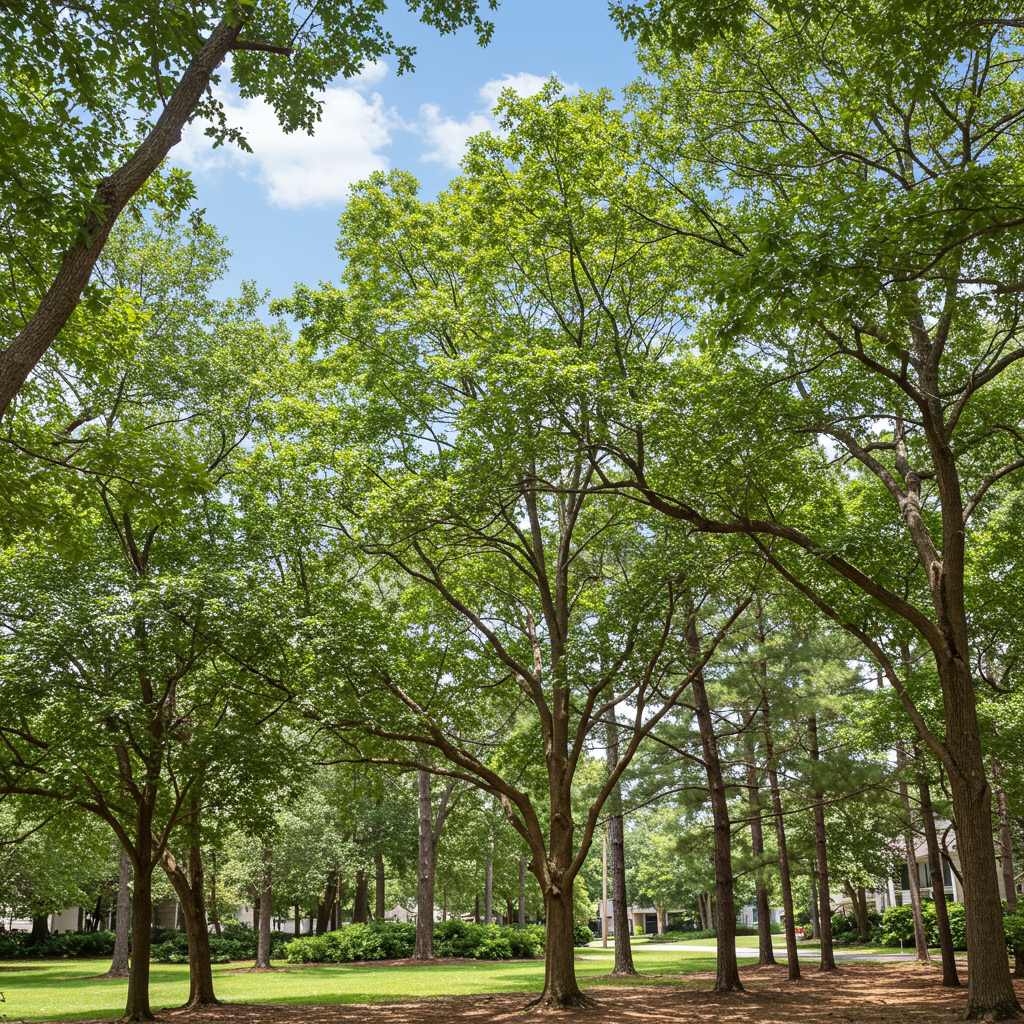
Early Detection: Safeguarding Your Tampa Trees from Common Problems
What are the common leaf and canopy problems for Tampa trees?
The leaves and overall canopy of your trees are often the first indicators of a developing problem. In Tampa's humid climate, fungal diseases and pest infestations can spread rapidly, making early identification vital for effective proactive tree care. Observing changes in leaf color, texture, size, or pattern can give you critical clues about your tree's health.
- Discoloration: Yellowing (chlorosis) can indicate nutrient deficiencies, especially iron or magnesium, or improper watering. Brown spots might signal a fungal infection like powdery mildew or leaf spot, common in our moist environment. Sudden browning and wilting, particularly on new growth, could point to more serious issues like bacterial leaf scorch or even root rot.
- Leaf Drop or Thinning Canopy: While some trees are deciduous, premature or excessive leaf drop, especially outside of typical seasonal cycles, is a red flag. A thinning canopy often suggests the tree isn't getting enough water or nutrients, or it's under attack from pests that feed on leaves, such as aphids, mites, or caterpillars. Persistent thinning can significantly weaken the tree, making it susceptible to other stressors.
- Unusual Growths or Distortions: Keep an eye out for abnormal swellings, galls, or curled leaves. Galls are often caused by insects or mites laying eggs, while curled or distorted leaves can be a sign of sap-sucking pests or certain viral diseases. These growths, though sometimes cosmetic, can indicate significant stress on the tree.
- Holes or Chewing Marks: Obvious holes, ragged edges, or skeletonized leaves are sure signs of insect activity. Identifying the type of damage can help pinpoint the specific pest, allowing for targeted treatment. Extensive defoliation can severely impact a tree's ability to photosynthesize and store energy, potentially leading to decline.
Regularly inspecting your tree's canopy, perhaps with binoculars, can help you catch these subtle changes before they escalate into major tree problems Tampa homeowners often face.
How can I identify bark and trunk issues in my Tampa trees?
The bark and trunk of a tree act as its protective armor and circulatory system. Any compromise to these areas can have severe consequences for the tree's health and structural integrity. Learning to recognize anomalies in the bark and trunk is a key part of maintaining tree health Tampa properties need.
- Cracks or Splits: While minor cracks can occur as a tree grows, deep or sudden splits can be a sign of internal decay, storm damage, or severe stress from environmental changes. Vertical cracks might indicate sunscald or frost cracks, but horizontal or spiral cracks often point to structural weakness.
- Peeling or Flaking Bark: Some tree species naturally shed bark, but excessive or unusual peeling can be a symptom of disease, pest infestation, or environmental stress. For instance, cankers, which are sunken lesions often associated with fungi or bacteria, can cause bark to peel or die in localized areas.
- Discoloration or Fungal Growths: Dark stains, streaks, or unusual patches of color on the bark can indicate fungal infections or bacterial wetwood. The presence of mushrooms, conks (shelf-like fungi), or other fungal fruiting bodies on the trunk or at its base is a strong indicator of internal decay, which can severely compromise the tree's stability.
- Borer Holes or Sawdust: Small, perfectly round, D-shaped, or irregular holes in the bark, often accompanied by sawdust-like frass, are classic signs of wood-boring insects. These pests tunnel beneath the bark, disrupting the tree's vascular system and causing significant damage, often leading to decline and eventual death if not addressed promptly by a certified arborist.
- Bleeding or Sap Ooze: While some sap flow is normal, excessive or discolored sap oozing from the bark, especially when accompanied by other symptoms, can indicate a wound, insect entry point, or a bacterial infection. Look for dark, sticky spots that don't dry out.
Early identification of these trunk and bark issues by a homeowner can be critical, as many of these problems, if left untreated, can lead to the need for emergency tree removal.
What do unusual growths or sap tell me about my tree's health in Tampa?
Beyond general bark and leaf problems, specific unusual growths or sap patterns can provide detailed insights into a tree's underlying health issues. These more precise indicators often suggest specific diseases or pest activities that require expert diagnosis and treatment.
- Cankers: These are localized, often sunken areas of dead bark and underlying tissue. They can appear as discolored patches, swollen areas, or open wounds on branches or the trunk. Cankers are typically caused by fungi or bacteria entering through wounds and can girdle branches, leading to dieback. Recognizing these early can save entire limbs or even the tree.
- Galls: As mentioned before, galls are abnormal growths or swellings on leaves, twigs, branches, or even the trunk. They are usually caused by insects, mites, fungi, or bacteria. While many galls are primarily aesthetic and harmless, certain types can indicate a significant pest problem or stress, especially if they are numerous or appear on critical parts of the tree.
- Fruiting Bodies (Mushrooms/Conks): The presence of mushrooms or hard, shelf-like conks growing directly on the trunk or major branches is a definitive sign of internal wood decay. These are the reproductive structures of fungi that are actively breaking down the tree's heartwood. This decay severely weakens the tree's structural integrity, making it a potential hazard.
- Unusual Sap Oozing or Slime Flux: While some sap is normal, copious, persistent oozing, especially if it's fermented or discolored (e.g., black, brown, or white and frothy), is a sign of trouble. This can indicate bacterial wetwood (slime flux), a bacterial infection that can attract insects and cause localized decay. It's often accompanied by a foul odor.
- Resinosis: For pine and other coniferous trees, excessive resin (sap) flow can be a response to insect attacks, such as those from bark beetles. The tree attempts to push out the invaders with resin, but extensive resinosis suggests a severe infestation that may overwhelm the tree's defenses.
These specific signs often require a keen eye and some understanding of tree biology. When you observe such unusual growths or sap, it's a strong indication that professional tree diagnosis and treatment may be necessary.
Why are root collar and soil problems often overlooked in Tampa tree care?
Beneath the surface, the root collar and surrounding soil are fundamental to a tree's health, yet problems here are frequently missed by homeowners until the tree exhibits severe decline. The root collar, where the trunk meets the roots, is a critical zone that needs proper attention in Tampa tree care.
- Girdling Roots: This occurs when roots grow around the trunk or other roots, effectively strangling the tree by cutting off its vascular flow. Symptoms appear in the canopy, such as stunted growth, early leaf drop, or a gradual decline of one side of the tree. Checking for girdling roots requires careful inspection at the base of the trunk for roots circling or pressing tightly against it.
- Root Rot: Caused by excessive moisture and poor drainage, root rot leads to the decay of a tree's root system. Trees suffering from root rot may show a general decline, sparse yellowing leaves, small leaves, and branch dieback. The soil might smell foul or appear constantly waterlogged. Tampa's heavy rains and sometimes clayey soils can contribute to this issue.
- Improper Planting Depth: Planting a tree too deep or allowing soil to accumulate around the base of the trunk (volcano mulching) can lead to moisture retention against the bark, encouraging fungal growth and root collar rot. The root flare (the natural widening of the trunk at the ground line) should always be visible.
- Soil Compaction: Heavy foot traffic, construction, or vehicle parking around a tree's dripline can compact the soil, reducing oxygen and water penetration to the roots. Symptoms include stunted growth, small leaves, and a general lack of vigor. Improving soil structure and aeration is crucial for recovery.
- Nutrient Deficiencies or pH Imbalance: The soil's composition directly impacts nutrient availability. Tampa's sandy soils can sometimes leach nutrients, while soil pH can lock up essential elements, making them unavailable to the tree. Symptoms often manifest as chlorosis or poor growth, similar to watering issues.
Regularly assessing the area around the base of your trees and understanding their planting environment can help you prevent and address these often-hidden but critical issues. When in doubt, a professional assessment of your tree's root system and soil conditions can provide invaluable insights.
Protecting Your Tampa Trees with Expert Care
Identifying tree problems early is the first step towards a healthy, vibrant landscape. While some signs are subtle, understanding what to look for can empower you to act quickly. From leaf discoloration to root collar issues, each symptom tells a story about your tree's well-being. Don't let minor issues escalate into major crises that threaten the beauty and safety of your property.
For homeowners in Tampa, the humid climate and unique environmental factors mean that tree health often requires specialized knowledge. If you've noticed any of the warning signs discussed, or if you simply want peace of mind, don't hesitate to reach out to the experts. Tampa Tree Care Specialists offers comprehensive tree health checks, precise diagnosis, and tailored treatment plans designed to restore and maintain the vitality of your trees. Our certified arborists are equipped with the experience and tools to handle any tree problem, ensuring your landscape remains a thriving asset for years to come. Contact Tampa Tree Care Specialists today for a professional consultation and safeguard your investment.
Need Professional Assistance?
Get a free, no-obligation estimate from our expert local team today.