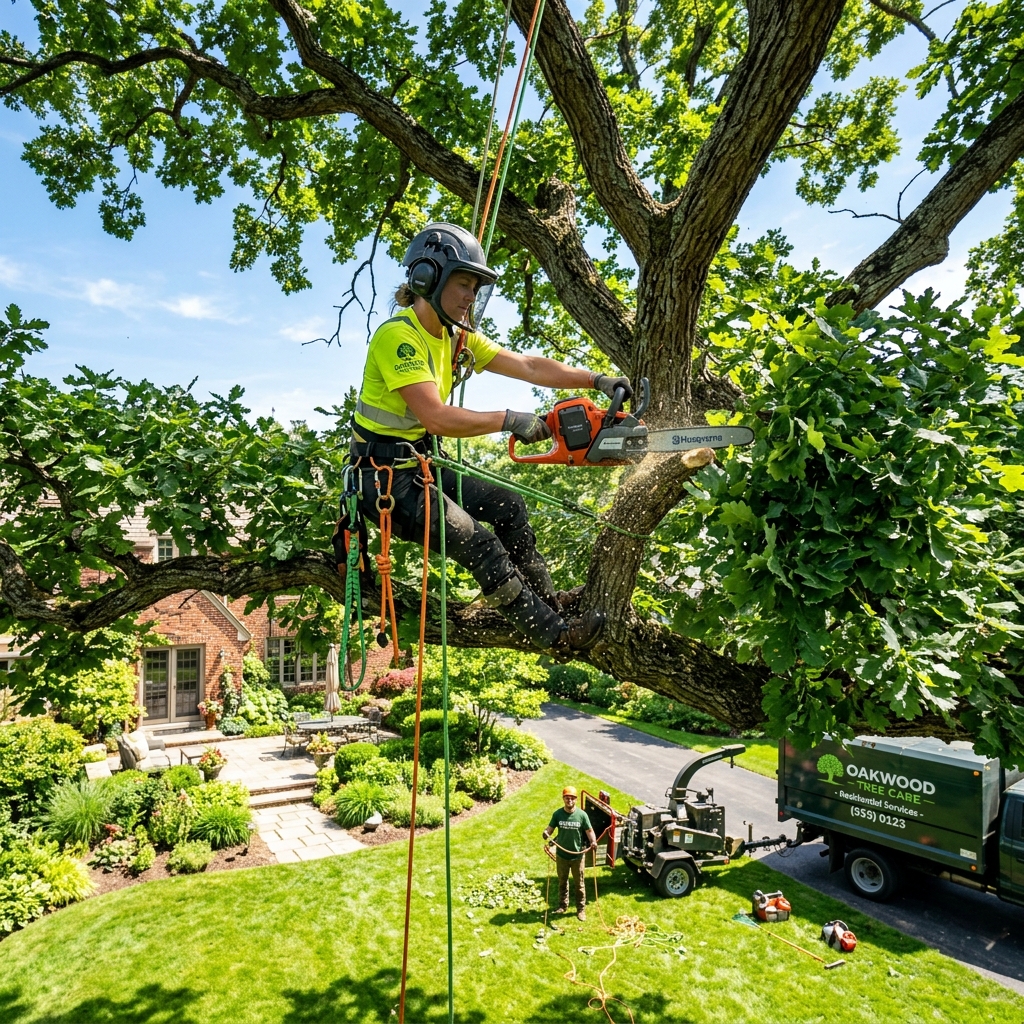
Spotting Common Tree Problems in Your Tampa Yard: A Local Homeowner's Guide
Identifying tree problems early in Tampa is crucial for plant health, safety, and property value, especially given our unique climate and pest challenges. Look for unusual leaf discoloration, stunted growth, excessive branch dieback, fungal growths, or insect activity as primary indicators that your tree requires immediate professional assessment by Tampa Tree Care Specialists.
As a homeowner in Tampa, your trees contribute significantly to your property's beauty, shade, and even its overall value. However, the warm, humid climate and sometimes unpredictable weather patterns in Central Florida also create an environment where various tree diseases, pests, and environmental stressors can thrive. Knowing how to spot the early warning signs of tree problems can mean the difference between saving a beloved tree and facing costly removal. This guide will walk you through the most common tree issues in our area and explain why professional intervention is often the best course of action.
What are the most common signs of tree distress in Tampa?
Trees communicate their health through various indicators, and understanding these signals is the first step in effective tree care. In Tampa, look out for the following:
- Discolored or Wilting Leaves: Leaves that turn yellow, brown, or develop spots when they shouldn't, or those that wilt and droop, often indicate issues. This could be anything from nutrient deficiencies, overwatering/underwatering, to fungal infections or pest infestations. For instance, laurel wilt, a devastating disease, causes rapid wilting and browning in avocado and redbay trees.
- Excessive Branch Dieback: Dead branches (dieback) scattered throughout the canopy are a red flag. While some natural shedding occurs, widespread dieback can point to root problems, vascular diseases, or severe insect damage.
- Fungal Growths on Trunk or Branches: Mushrooms, conks, or shelf fungi growing on the trunk or at the base of your tree are a clear sign of internal decay. These fungi often indicate that the structural integrity of the tree is compromised.
- Cankers and Lesions: Sunken areas or open wounds on the bark, sometimes accompanied by oozing sap, are called cankers. These can be caused by fungal or bacterial infections and can girdle a branch or even the main trunk, leading to death.
- Insect Activity: While some insects are harmless, others, like borers, scale insects, or webworms, can severely damage or kill a tree. Look for sawdust on the bark, unusual holes, defoliation, webbing, or sticky residue (honeydew) indicating pest presence.
- Stunted Growth or Abnormal Leaf Size: If your tree isn't growing as it should, or its new leaves are unusually small, it may be struggling to get enough water or nutrients, or it could be under attack.
- Leaning or Instability: A tree that suddenly starts to lean, or if you notice cracks in the soil around its base, could be experiencing root failure or structural weakness. This is a significant safety hazard, especially in a hurricane-prone area like Tampa.
Early detection of these symptoms is critical. If you're observing any of these signs, particularly across multiple branches or throughout the tree, it's time to seek expert advice.
How do Tampa's unique weather and pests affect tree health?
Tampa's climate, characterized by hot, humid summers, heavy rainfall, and occasional droughts, along with its susceptibility to tropical storms and hurricanes, creates specific challenges for tree health. These environmental factors often exacerbate pest and disease issues.
- Humidity and Rain: High humidity and frequent rainfall create ideal conditions for many fungal diseases, such as powdery mildew, leaf spot, and various blights. Waterlogged soils can also lead to root rot, suffocating the tree's root system.
- Tropical Storms & Hurricanes: Strong winds and torrential rains can cause immediate physical damage, like broken branches or uprooted trees. However, they also create entry points for pests and diseases through newly formed wounds, and prolonged soil saturation can lead to long-term root stress.
- Local Pests: Tampa is home to several destructive tree pests. Ambrosia beetles, for example, can devastate stressed trees by boring into the wood and introducing fungi. Scale insects can weaken trees by sucking sap, leading to stunted growth and dieback. Additionally, certain native diseases like Ganoderma root rot are prevalent in our moist soil conditions, silently decaying a tree from the inside out.
- Soil Conditions: Our sandy soils can sometimes lead to nutrient deficiencies if not properly managed, and urban development often compacts soil, hindering root growth and water absorption.
Understanding these regional factors helps explain why some tree issues are so common here. Proactive tree care, including regular inspections, is essential to mitigate these risks. If you're in the surrounding areas and notice similar issues, our team also provides expert Tree Services in Clearwater, offering the same high standard of care and local expertise.
When should I call a professional tree service for my struggling tree?
While some minor issues can be addressed by a diligent homeowner, many tree problems in Tampa require the expertise of a certified arborist. You should always call a professional tree service like Tampa Tree Care Specialists if:
- You observe significant dieback or rapid decline: If large sections of your tree are dying quickly, or if the tree's overall health seems to deteriorate rapidly, time is of the essence.
- There are signs of internal decay: Fungal conks, large cankers, or unexplained cracks in the trunk indicate serious structural problems that could lead to tree failure.
- The tree poses a safety risk: A leaning tree, hanging broken branches, or a tree near power lines or structures should only be handled by trained professionals with the right equipment.
- You suspect a specific disease or pest: Proper diagnosis and treatment often require specialized knowledge of arboriculture and local pest management. Misdiagnosis can lead to ineffective treatments or even harm the tree further.
- You need a comprehensive tree health assessment: For preventative care or if you're generally concerned about a tree's vigor, a professional assessment can identify issues before they become critical.
Attempting to treat advanced diseases or perform complex pruning without proper knowledge can be dangerous and detrimental to your tree's health. Our team has the experience and equipment to safely and effectively diagnose and treat a wide range of tree ailments specific to the Tampa Bay area.
What happens during a professional tree health assessment?
When you call Tampa Tree Care Specialists, our process is designed to provide thorough and accurate insights into your tree's condition:
- Initial Consultation: We'll discuss your observations and concerns about the tree's health, pest activity, or structural integrity.
- On-Site Inspection: A certified arborist will conduct a detailed visual inspection of the entire tree, from roots to canopy. This includes examining the leaves, branches, trunk, bark, and root collar for any signs of disease, pests, damage, or structural issues. We also assess the surrounding environment, including soil conditions, irrigation, and proximity to structures.
- Diagnostic Testing (If Needed): In some cases, more advanced diagnostics may be required. This could involve using a resistograph to detect internal decay, soil testing to analyze nutrient levels, or sending tissue samples to a lab for precise disease identification.
- Risk Assessment: For larger or compromised trees, we perform a risk assessment to evaluate the potential for failure and the impact if it were to fall. This considers factors like tree species, age, condition, and targets (people, property).
- Detailed Report and Recommendations: Based on our findings, we provide a comprehensive report outlining the identified problems, their causes, and a range of recommended solutions. These solutions might include:
- Pruning for deadwood removal or structural enhancement
- Disease management plans (e.g., fungicidal treatments)
- Pest control strategies (e.g., insecticide applications, biological controls)
- Nutrient amendments or soil improvement
- Cabling or bracing for structural support
- Tree removal if the tree is beyond saving or poses an unacceptable risk
- Transparent Pricing: We provide a clear, itemized estimate for all recommended services, ensuring you understand the scope of work and associated costs. Our goal is to provide cost-effective solutions that protect your investment and enhance your property's safety and aesthetics. Even for properties in areas like Carrollwood, our team maintains consistent, transparent pricing.
Don't wait until it's too late to address potential tree problems. Early intervention is key to maintaining a healthy, vibrant landscape. If you've noticed any concerning signs or simply want a professional assessment to ensure your trees are thriving, contact Tampa Tree Care Specialists today. We are your local experts in diagnosing and treating all types of tree issues in Tampa, FL, ensuring the longevity and beauty of your valuable trees.
Need Professional Assistance?
Get a free, no-obligation estimate from our expert local team today.