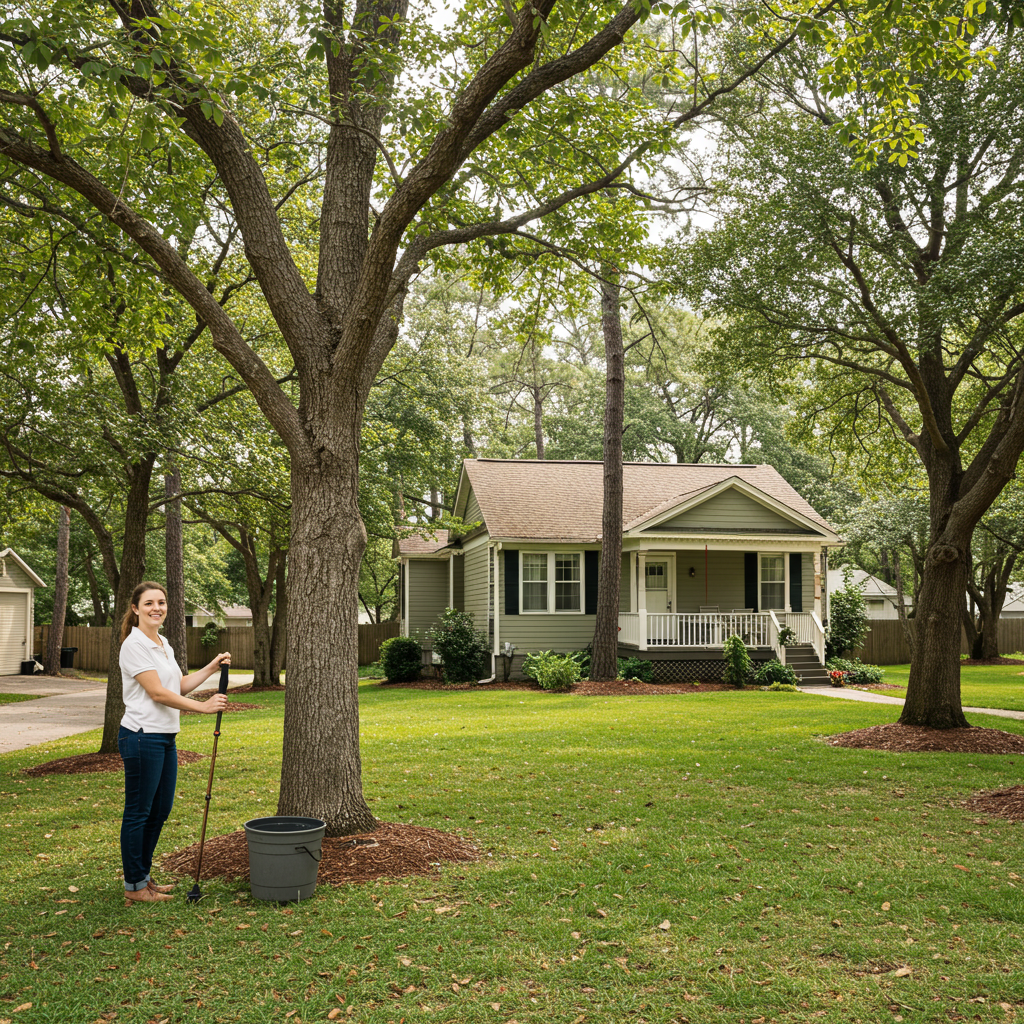
Mastering Tree Pruning: A Comprehensive Guide for Tampa Homeowners
Professional tree pruning involves various techniques, including crown thinning, crown reduction, crown raising, structural pruning, and deadwood removal, each designed to achieve specific goals such as enhancing tree health, improving structural integrity, increasing light penetration, or mitigating safety hazards in Tampa landscapes. Understanding these methods helps homeowners make informed decisions for their trees.
What are the most common tree pruning techniques used in Tampa?
Tree pruning is far more than just randomly cutting branches; it's a sophisticated practice that requires knowledge of tree biology, local growth patterns, and specific objectives. In Tampa, where trees thrive in a unique subtropical climate, employing the correct pruning technique is crucial for their longevity and your property's safety. Professional arborists utilize several distinct methods, each tailored to address particular tree needs and homeowner goals.
- Crown Thinning: This technique involves selectively removing a portion of small live branches throughout the tree's crown. The primary goal is to improve light penetration and air circulation within the canopy. For Tampa's often humid environment, increased air flow helps reduce the risk of fungal diseases and pest infestations. It also allows more sunlight to reach underlying vegetation, promoting a healthier landscape.
- Crown Reduction: Also known as "topping" when performed improperly, crown reduction is the process of reducing the height or spread of a tree's crown by selectively removing leaders and branch terminals back to a lateral branch capable of assuming the terminal role. This method is often employed for hazard mitigation, such as when branches are growing too close to power lines or buildings, or to reduce the sail area of a tree susceptible to hurricane winds. Proper crown reduction, unlike topping, maintains the tree's natural structure and minimizes stress.
- Crown Raising (or Lifting): This involves removing the lower branches of a tree to provide clearance for pedestrians, vehicles, buildings, or views. In many Tampa neighborhoods, homeowners utilize crown raising to enhance curb appeal, clear pathways, or improve sightlines, all while maintaining the tree's upper canopy.
- Structural Pruning: Particularly important for younger trees, structural pruning focuses on developing a strong, healthy trunk and branch architecture. This involves identifying and eliminating weak or poorly attached branches, co-dominant stems, and crossing branches early in a tree's life. For Tampa's hurricane-prone region, strong structural integrity is paramount to a tree's survival during severe weather events.
- Deadwood Removal: As the name suggests, this technique involves carefully identifying and removing dead, dying, or diseased branches. Deadwood is not only unsightly but also poses a significant safety hazard, as it can fall unexpectedly. Moreover, decaying wood can attract pests and diseases that might spread to healthy parts of the tree. Regular deadwood removal is a fundamental aspect of maintaining tree health and safety in Tampa.
Each of these techniques demands a keen eye, specialized equipment, and an understanding of how trees respond to pruning cuts. Attempting these complex procedures without professional expertise can lead to irreversible damage or create new hazards.
How does professional pruning enhance tree health and longevity in Florida's climate?
Tampa's climate, characterized by high humidity, intense sun, and periodic tropical storms, presents unique challenges for trees. Professional pruning by certified arborists plays a vital role not just in maintaining aesthetics, but fundamentally in promoting the long-term health and longevity of trees in this challenging environment.
- Disease and Pest Prevention: Healthy, well-pruned trees are more resilient. Thinning the crown improves air circulation, which is critical in Tampa's humid climate to deter fungal growth. Removing diseased or infested branches promptly prevents the spread of pathogens and pests throughout the tree and to neighboring plants.
- Promoting Strong Growth: Proper pruning directs a tree's energy towards producing strong, healthy growth rather than sustaining weak or undesirable branches. By eliminating competing or crossing branches, arborists can encourage the development of a robust canopy that is better equipped to withstand environmental stresses.
- Enhancing Structural Integrity: For Florida's storm season, structural integrity is non-negotiable. Professional pruning helps establish strong branch unions and a balanced canopy, significantly reducing the likelihood of branches breaking during high winds. This proactive approach can save trees from catastrophic failure and protect your property from damage.
- Optimizing Water and Nutrient Uptake: By removing dead or struggling branches, the tree can more efficiently allocate its water and nutrient resources to healthy, productive parts of the canopy. This improved efficiency is particularly beneficial during Tampa's dry spells.
- Sunlight Optimization: Selective thinning allows for better light penetration to inner foliage and the ground below, promoting a more uniform and vigorous tree, as well as supporting the health of understory plants.
Ultimately, professional pruning in Tampa isn't just about trimming; it's about strategic care that strengthens a tree's natural defenses and structure, allowing it to thrive for decades in its challenging, yet beautiful, environment.
When is strategic tree pruning essential for safety and property protection in Tampa?
Safety is a paramount concern for Tampa homeowners, especially with the region's susceptibility to severe weather. Strategic tree pruning is not merely an aesthetic choice; it's a critical safety measure designed to protect your family, property, and community from potential hazards.
- Mitigating Storm Damage Risks: Before hurricane season, professional arborists in Tampa can perform structural pruning and crown reduction to reduce a tree's vulnerability to high winds. Removing weak, crossing, or excessively long branches minimizes the
Need Professional Assistance?
Get a free, no-obligation estimate from our expert local team today.