July 13, 2026•By Expert Technician
Beyond the Snip: Essential Tree Pruning Secrets for Tampa Homeowners
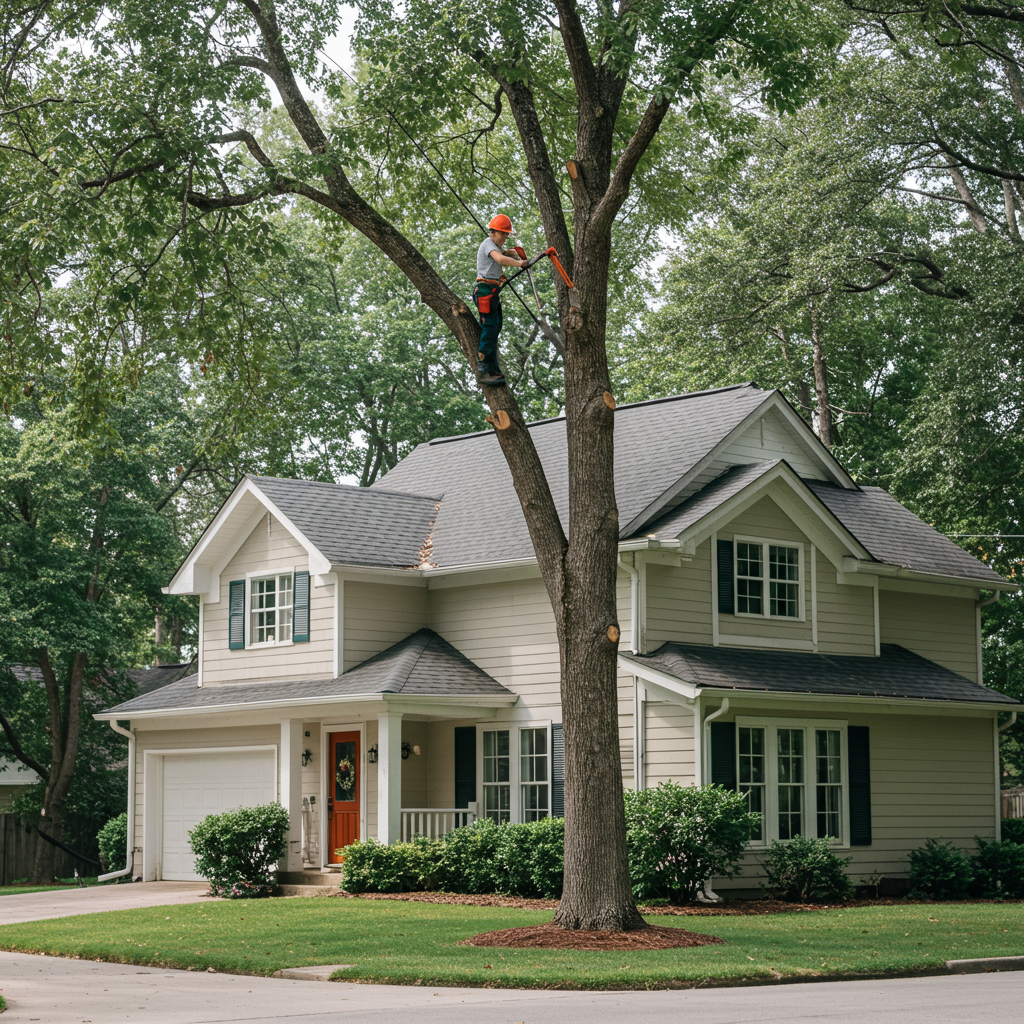
Proper tree pruning is the strategic removal of specific branches or stems to improve a tree's health, structural integrity, safety, and aesthetic appeal. It's a scientific approach focused on promoting natural growth, reducing disease risk, and mitigating hazards, rather than simply cutting indiscriminately. This practice is crucial in Tampa's climate to help trees withstand storms and thrive.
While it might seem straightforward to grab a saw and start trimming, the truth is that incorrect pruning can inflict lasting damage, stress, and even death upon your valuable trees. For Tampa homeowners, understanding the principles of effective pruning is key to maintaining a vibrant, safe, and beautiful landscape. It’s an investment in the long-term well-being of your green assets, protecting your property and enhancing its value.
In Tampa’s subtropical environment, trees face unique challenges, from intense humidity and heat to the threat of hurricane-force winds. Proper pruning goes far beyond aesthetics; it's a critical component of preventative tree care that directly impacts a tree's resilience and longevity. Here’s why it’s non-negotiable for your Tampa property:
Not all pruning is created equal. Arborists employ various techniques, each with a specific objective to meet the tree's needs and the owner's goals. Understanding these types helps you appreciate the science behind a professional's work:
Unfortunately, many well-intentioned but misguided pruning practices can cause more harm than good, leading to long-term issues for your trees and even necessitating costly removal. Recognizing these harmful methods is crucial for protecting your landscape:
Timing is everything when it comes to tree pruning, especially in Tampa’s distinct climate. Making cuts at the opportune moment can maximize benefits and minimize stress. Here’s a general guide for the Tampa area:
Mastering the science of proper tree pruning is a commitment to the long-term health and safety of your Tampa property. It’s a nuanced practice that requires knowledge of tree biology, local climate factors, and advanced techniques. Attempting complex pruning tasks without the necessary expertise can lead to irreversible damage and create new hazards.
Don't risk the health and beauty of your valuable trees. For expert, scientifically-backed tree pruning services in Tampa, trust the certified arborists at Tampa Tree Care Specialists. Our team understands the unique needs of Tampa's urban forest and is equipped to provide precise, beneficial pruning that ensures your trees thrive for years to come. Contact us today for a professional assessment and to protect your landscape investment.
While it might seem straightforward to grab a saw and start trimming, the truth is that incorrect pruning can inflict lasting damage, stress, and even death upon your valuable trees. For Tampa homeowners, understanding the principles of effective pruning is key to maintaining a vibrant, safe, and beautiful landscape. It’s an investment in the long-term well-being of your green assets, protecting your property and enhancing its value.
Why is Proper Pruning Crucial for Tampa Trees?
In Tampa’s subtropical environment, trees face unique challenges, from intense humidity and heat to the threat of hurricane-force winds. Proper pruning goes far beyond aesthetics; it's a critical component of preventative tree care that directly impacts a tree's resilience and longevity. Here’s why it’s non-negotiable for your Tampa property:
- Enhanced Health and Vigor: Removing dead, diseased, or dying branches eliminates potential entry points for pests and pathogens. It also directs the tree's energy toward healthy growth, improving its overall vitality and promoting a stronger immune system. Think of it as a tree's immune boost.
- Improved Structural Integrity: Strategic cuts can correct poor growth patterns, remove weak or crossing branches, and establish a strong central leader or well-spaced scaffold branches. This is especially vital in hurricane-prone Tampa, as a structurally sound tree is far less likely to suffer severe damage or fall during high winds.
- Increased Safety: Overhanging dead limbs, weak branches, or structurally compromised sections pose significant risks to people, property, and power lines. Regular, professional pruning mitigates these hazards, preventing potential injuries and costly property damage.
- Optimized Sunlight and Air Circulation: Thinning out a dense canopy allows better light penetration to inner branches and the ground below, benefiting other plants and reducing moisture-related disease risks. Improved air circulation also helps dry out leaves faster, discouraging fungal growth prevalent in humid Tampa.
- Aesthetic Enhancement: While health and safety are paramount, proper pruning also sculpts the tree’s natural form, enhancing its beauty and integrating it harmoniously into your landscape design. It can improve views, create clearance, and maintain a tree’s desired size and shape without 'topping' it.
What Are the Common Types of Pruning and Their Goals?
Not all pruning is created equal. Arborists employ various techniques, each with a specific objective to meet the tree's needs and the owner's goals. Understanding these types helps you appreciate the science behind a professional's work:
- Cleaning/Deadwooding: This is the most common type, involving the removal of dead, dying, or diseased branches. Its primary goal is to improve tree health, reduce pest infestation, and remove hazards. Deadwood can fall unexpectedly, especially during storms.
- Thinning: This technique involves selectively removing live branches to increase light penetration, improve air circulation through the canopy, and reduce weight on heavy limbs. Thinning helps reduce wind resistance, making trees more resilient to high winds. It’s critical to avoid over-thinning, which can stress the tree.
- Raising (Crown Raising): This involves removing the lower branches of a tree to provide clearance for pedestrians, vehicles, buildings, or views. It's important to ensure that raising does not remove too much of the tree's live crown, which can cause stress and stability issues.
- Reduction (Crown Reduction): Used to decrease the size of a tree's crown, often to clear power lines or reduce the risk of limb failure. This should only be performed when necessary, making cuts to lateral branches that are at least one-third the diameter of the removed branch, to maintain the tree's natural shape and minimize stress.
- Structural Pruning: Often performed on younger trees, this aims to establish a strong branch architecture that will support the tree throughout its life. It focuses on developing a strong central leader and well-spaced, sturdy scaffold branches, preventing future structural weaknesses.
How Do Improper Pruning Techniques Harm Tampa Trees?
Unfortunately, many well-intentioned but misguided pruning practices can cause more harm than good, leading to long-term issues for your trees and even necessitating costly removal. Recognizing these harmful methods is crucial for protecting your landscape:
- Topping: This is arguably the most damaging pruning practice. Topping involves indiscriminately cutting back large branches to stubs or to lateral branches too small to assume the terminal role. It severely stresses the tree, starves it of necessary foliage, and often results in rapid, weak, upright growth called 'watersprouts' that are highly susceptible to breaking. Topped trees are often disfigured, unhealthy, and hazardous.
- Flush Cuts: Removing a branch too close to the trunk or parent limb, cutting into the branch collar, damages the tree's natural wound-sealing ability. The branch collar is a critical swelling at the base of a branch where it meets the trunk, containing specialized cells that aid in wound closure. Damaging this area leaves a larger, slower-healing wound, making the tree vulnerable to decay, pests, and diseases.
- Leaving Stubs: Conversely, leaving a branch stub too long after a cut prevents the tree from properly sealing the wound. The stub often dies back, creating an open wound and a pathway for insects, fungi, and decay organisms to enter the tree's core.
- Over-Pruning (Lion Tailing): This involves removing too many inner or lower branches, leaving long, bare limbs with tufts of foliage at the ends. While it might look like thinning, it concentrates weight at the ends of branches, making them prone to breakage. It also exposes the tree's interior to excessive sunlight, leading to sunburn and stress.
- Wrong Timing: Pruning at the wrong time of year can disrupt a tree's natural growth cycle, reduce flowering or fruiting, and make it more susceptible to disease or insect infestation. For instance, pruning oak trees in summer months in Tampa can increase their susceptibility to oak wilt.
When is the Best Time to Prune Different Trees in Tampa?
Timing is everything when it comes to tree pruning, especially in Tampa’s distinct climate. Making cuts at the opportune moment can maximize benefits and minimize stress. Here’s a general guide for the Tampa area:
- Dormant Season (Late Fall to Early Spring): For most deciduous trees (those that lose their leaves), the dormant season is ideal. Without leaves, the tree's structure is clearly visible, making it easier to identify branches needing removal. The absence of foliage also reduces the spread of diseases, and the tree is less stressed, ready to put its energy into new growth once spring arrives. Avoid pruning oak trees during the warmer months when the beetle that spreads oak wilt is most active.
- After Flowering (for Flowering Trees): If your primary goal is to maximize blooms, prune flowering trees like Crape Myrtles or Jacarandas immediately after they finish flowering. This allows the tree to set new flower buds for the following season. Pruning them too late in the year might remove next year's potential blossoms.
- Anytime for Dead or Diseased Branches: Dead, dying, or diseased branches should be removed as soon as they are identified, regardless of the season. These branches are a hazard and a potential source of infection for the rest of the tree. This type of urgent removal takes precedence over seasonal considerations.
- Avoid Pruning During Growth Flushes: Generally, try to avoid heavy pruning during spring and early summer when trees are actively putting out new growth. Removing too much foliage during this period can stress the tree significantly.
- Hurricane Season Prep (Early Summer): Light structural pruning to remove weak or overextended limbs can be beneficial before hurricane season, but this should be done carefully and by a professional. Aggressive pruning too close to a storm can actually weaken a tree.
Mastering the science of proper tree pruning is a commitment to the long-term health and safety of your Tampa property. It’s a nuanced practice that requires knowledge of tree biology, local climate factors, and advanced techniques. Attempting complex pruning tasks without the necessary expertise can lead to irreversible damage and create new hazards.
Don't risk the health and beauty of your valuable trees. For expert, scientifically-backed tree pruning services in Tampa, trust the certified arborists at Tampa Tree Care Specialists. Our team understands the unique needs of Tampa's urban forest and is equipped to provide precise, beneficial pruning that ensures your trees thrive for years to come. Contact us today for a professional assessment and to protect your landscape investment.
Need Professional Assistance?
Get a free, no-obligation estimate from our expert local team today.