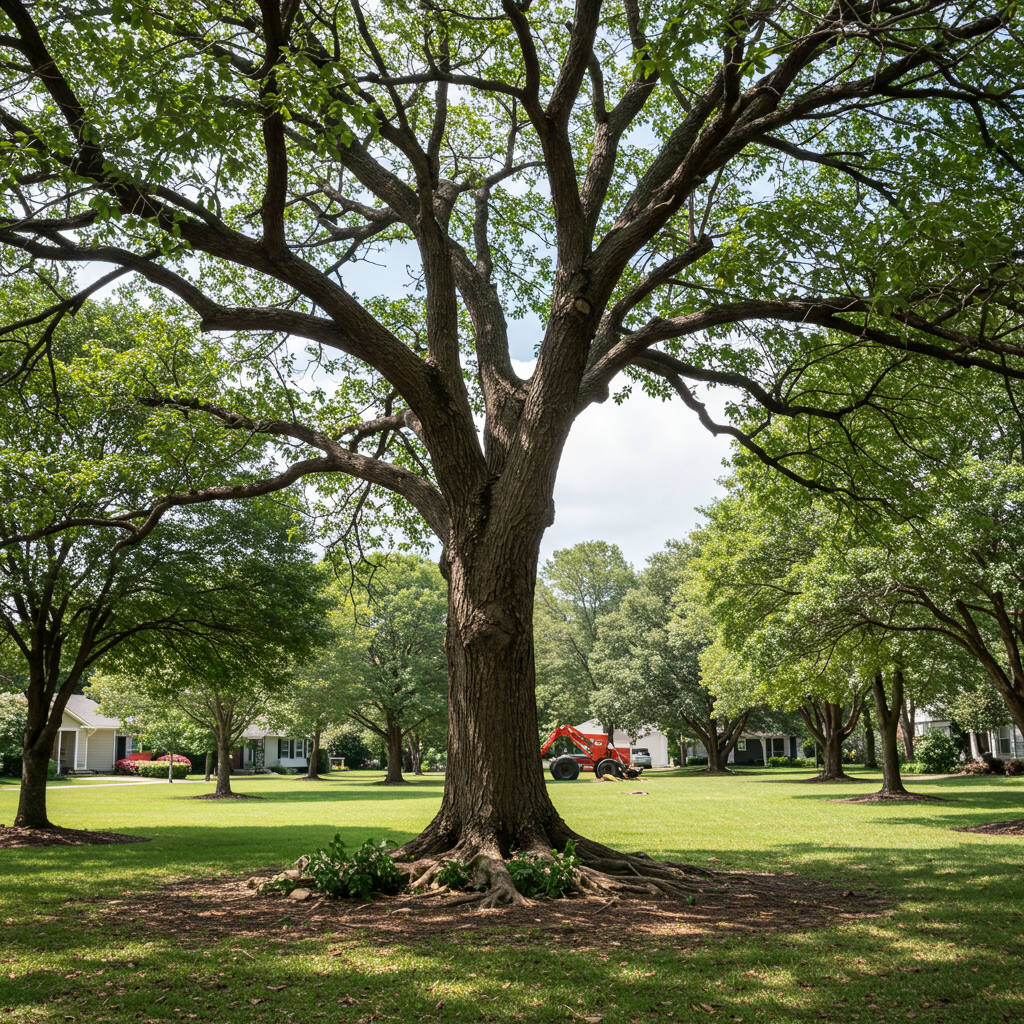
Tampa Tree Trouble: Knowing When to Remove vs. Restore
What Are the Clear Signs a Tampa Tree Is Beyond Saving?
Identifying a tree that is past the point of no return is crucial for both property safety and the health of surrounding vegetation. In Tampa's humid and storm-prone environment, trees can decline rapidly. Here are critical indicators that your tree might be beyond restoration:
- Extensive Internal Decay: Large cavities in the trunk or major limbs, soft or crumbling wood, and extensive fungal growth (like conks or mushrooms) emerging from the bark often signal advanced internal decay. This compromises the tree's structural integrity, making it a fall risk. A professional arborist can use tools like resistographs or sonic tomography to assess internal decay accurately.
- Severe Trunk Cracks or Splits: Vertical cracks extending deep into the trunk, especially if they are fresh or growing, indicate a major structural weakness. If the trunk is splitting near a major fork or at the base, the tree is likely to fail catastrophically.
- Significant Root Damage: Roots anchor the tree and absorb nutrients. If more than 50% of a tree's root system has been severed, girdled, or severely damaged by construction, disease, or pests, its long-term viability is questionable. Signs include canopy dieback, stunted growth, and a general decline in vigor.
- Sudden, Widespread Canopy Dieback: While some canopy loss can occur due to drought or minor stress, extensive and rapid browning or defoliation (especially affecting more than 50% of the crown) often points to a systemic problem that the tree cannot overcome. This is particularly concerning if it occurs outside of typical seasonal changes.
- Leaning or Upheaval at the Base: A tree that develops a sudden, pronounced lean, or if the soil around its base begins to heave or crack, indicates root system failure. This is an immediate hazard, especially during Tampa's hurricane season, as the tree could fall at any moment.
Recognizing these severe signs early can prevent property damage, injury, and costly emergency tree removal services later.
Can My Tree Recover from Disease or Pest Infestation in Tampa?
The ability of a tree to recover from disease or pest infestation largely depends on the specific pathogen or pest, the tree species, and the timing and severity of the infestation. In Tampa, certain issues are more prevalent:
- Treatable Diseases: Many fungal infections, such as those causing leaf spot or powdery mildew, are often cosmetic and rarely fatal. With proper treatment, including fungicide applications, improved air circulation, and horticultural practices like selective pruning, trees can often make a full recovery. Early detection is key.
- Aggressive Diseases: Diseases like Lethal Yellowing (affecting palms) or Ganoderma Butt Rot (a fungal disease targeting many tree species, especially palms) are often fatal once symptoms become pronounced. There are typically no effective treatments, and removal is often recommended to prevent spread or hazard.
- Common Pests: Pests like aphids, scale insects, or mites can usually be managed with horticultural oil, insecticidal soaps, or targeted pesticide applications. A healthy tree can often withstand moderate infestations.
- Destructive Pests: Pests such as Ambrosia beetles or specific borers can quickly decimate a tree, especially if the tree is already stressed. If borers are widespread throughout the trunk and major limbs, the damage to the vascular system may be too extensive for the tree to recover.
An arborist can accurately diagnose the problem and recommend a treatment plan, if viable. They can also advise on preventative measures to strengthen your tree's resistance to future attacks.
How Do I Assess the Structural Integrity of My Tampa Tree?
Assessing a tree's structural integrity is paramount for safety, particularly in a region prone to severe weather like Tampa. A structurally compromised tree is a ticking time bomb. Here's what to look for:
- Deadwood: Large dead branches in the upper canopy are a common sign of stress or disease. These branches are brittle and can fall without warning, especially in windy conditions.
- Weak Branch Unions: Look for V-shaped or narrow branch angles where two limbs or a limb and the trunk meet. These unions are inherently weaker than U-shaped unions because they often lack proper connective wood, leading to included bark and eventual splitting.
- Cracks and Splits: Beyond trunk cracks, inspect major limbs for longitudinal cracks, splits, or areas where the bark is peeling away. These can indicate internal weakness or failure.
- Cavities and Hollows: While some trees can live for years with hollow trunks, significant hollowing or large cavities can severely weaken the tree, especially if the remaining shell of wood is thin. The location and size of the cavity are crucial factors.
- Root Collar Examination: Inspect the area where the trunk meets the ground. Look for signs of decay, insect activity, or girdling roots. A healthy root flare should be visible, not buried under soil or mulch.
- Past Pruning Practices: Poor pruning, such as topping or indiscriminate removal of large limbs, can lead to weak, watersprout-laden growth, decay, and an overall compromised structure that is more susceptible to failure.
For a truly accurate assessment of structural integrity, especially for large or mature trees, a certified arborist uses their expertise and specialized equipment to identify hidden defects that may not be apparent to the untrained eye.
What Are the Risks of Keeping a Declining Tree on My Tampa Property?
Keeping a tree that is in severe decline or structurally compromised poses several significant risks to your property, family, and even neighboring properties:
- Property Damage: Falling branches or the entire tree can cause extensive damage to homes, vehicles, fences, and utility lines. This is particularly relevant during Tampa's strong summer storms and hurricane season.
- Personal Injury or Fatality: The most severe risk is injury or death from a falling tree or limb. This is why immediate action is often necessary when a tree presents an undeniable hazard.
- Spread of Disease/Pests: A diseased or pest-ridden tree can act as a reservoir, spreading pathogens or insects to healthy trees on your property or in your neighborhood. Removing a severely affected tree can be a preventative measure.
- Increased Liability: As a property owner, you are generally responsible for maintaining safe trees. If a declining tree falls and causes damage or injury, you could be held liable, potentially leading to costly legal battles and insurance claims.
- Decreased Property Value: An unhealthy, unsightly tree can detract from your home's curb appeal and potentially lower your property value.
- Obstruction and Hazard: Dead or dying branches can fall onto walkways, driveways, or play areas, creating immediate tripping hazards or blocking access.
Considering these risks, proactive assessment and timely action are always the best approach for managing declining trees on your Tampa property.
When Should I Call a Professional Arborist for an Assessment in Tampa?
While homeowners can observe many of the signs mentioned above, the complex nature of tree health, disease diagnosis, and structural assessment often requires the expertise of a professional. Here are key situations when you should absolutely contact a certified arborist in Tampa:
- Uncertainty: If you're unsure about the health of your tree or whether a problem is severe enough to warrant removal.
- Complex Symptoms: When symptoms are unusual, widespread, or don't align with common issues, requiring expert diagnosis.
- Large or Mature Trees: Assessing the safety and health of large trees requires specialized knowledge and equipment. The risk associated with their failure is also much higher.
- Post-Storm Damage: After a severe storm, an arborist can evaluate structural damage, hidden cracks, and potential risks that might not be immediately obvious.
- Construction Nearby: If construction has occurred near your tree's root zone, an arborist can assess potential damage and recommend mitigation strategies.
- Prior to Major Pruning or Removal: Always consult an arborist before undertaking significant tree work to ensure proper techniques are used or if removal is truly necessary.
- Any Safety Concern: If you notice a significant lean, large dead branches, or any sign that suggests the tree could fall and damage property or injure someone.
For comprehensive tree health assessments, expert diagnosis, and safe, efficient tree removal or restoration services in Tampa, look no further than Tampa Tree Care Specialists. Our certified arborists possess the knowledge and equipment to provide accurate evaluations and tailored solutions, ensuring the safety and beauty of your landscape. Don't risk your property or safety; let us help you make the right decision for your trees.
Need Professional Assistance?
Get a free, no-obligation estimate from our expert local team today.