Unseen Tree Dangers in Tampa: How to Protect Your Property & Loved Ones
Living in Tampa, we're surrounded by lush, beautiful trees that enhance our environment and provide much-needed shade. However, beneath their majestic canopies, some trees may harbor hidden dangers. The combination of intense Florida sun, high humidity, heavy rainfall, and the occasional hurricane or tropical storm puts unique stresses on our urban canopy. Recognizing the early warning signs of a compromised tree is not just about aesthetics; it's about safeguarding your home, vehicles, and most importantly, your family.
What Are the Common Signs of a Dangerous Tree in Tampa, FL?
Identifying a hazardous tree isn't always straightforward, but knowing what to look for can be the first step in preventing a disaster. Many indicators suggest a tree's structural integrity is compromised, making it a potential threat. Our certified arborists at Tampa Tree Care Specialists are trained to spot these nuances, but here are key signs you can observe:
- Significant Leaning: While some trees naturally grow at an angle, a sudden or excessive lean, especially after a storm or new construction nearby, can indicate root system instability. Look for exposed roots or soil upheaval on the opposite side of the lean.
- Large Dead Branches: Dead wood poses a significant falling hazard. While small dead twigs are normal, large dead branches (over 2 inches in diameter) that are brittle or lack bark are a clear warning sign.
- Deep Cracks or Splits: Cracks in the trunk or major limbs, particularly those extending deep into the wood, signal structural weakness. Vertical cracks, V-shaped crotches, or horizontal splits can indicate imminent failure.
- Fungal Growth at the Base or Trunk: Mushrooms, conks, or shelf fungi growing on the trunk or near the base often indicate internal decay. These fungi feed on dead wood, weakening the tree from the inside out.
- Cankers or Cavities: Sunken areas (cankers) or open wounds (cavities) on the trunk or branches can be entry points for disease and pests, leading to decay and structural compromise.
- Root Damage or Exposure: Construction activities, soil erosion, or even improper landscaping can sever or expose roots, starving the tree and weakening its anchorage. Girdling roots, which grow around the trunk, can also choke the tree.
- Sudden Leaf Drop or Discoloration: While seasonal, sudden or widespread leaf loss, yellowing, or browning outside of normal cycles can signal stress, disease, or pest infestation, which can lead to tree decline.
- Insect Infestation: Excessive insect activity, sawdust trails, or exit holes on the trunk or branches can indicate borers or other pests actively damaging the tree's vascular system.
When Does a Tree Emergency Require Immediate Professional Help?
Some tree situations demand immediate attention to mitigate risks. These are often triggered by severe weather common in our region or the sudden worsening of existing conditions. If you notice any of the following, do not attempt to handle it yourself; contact professionals like Tampa Tree Care Specialists immediately:
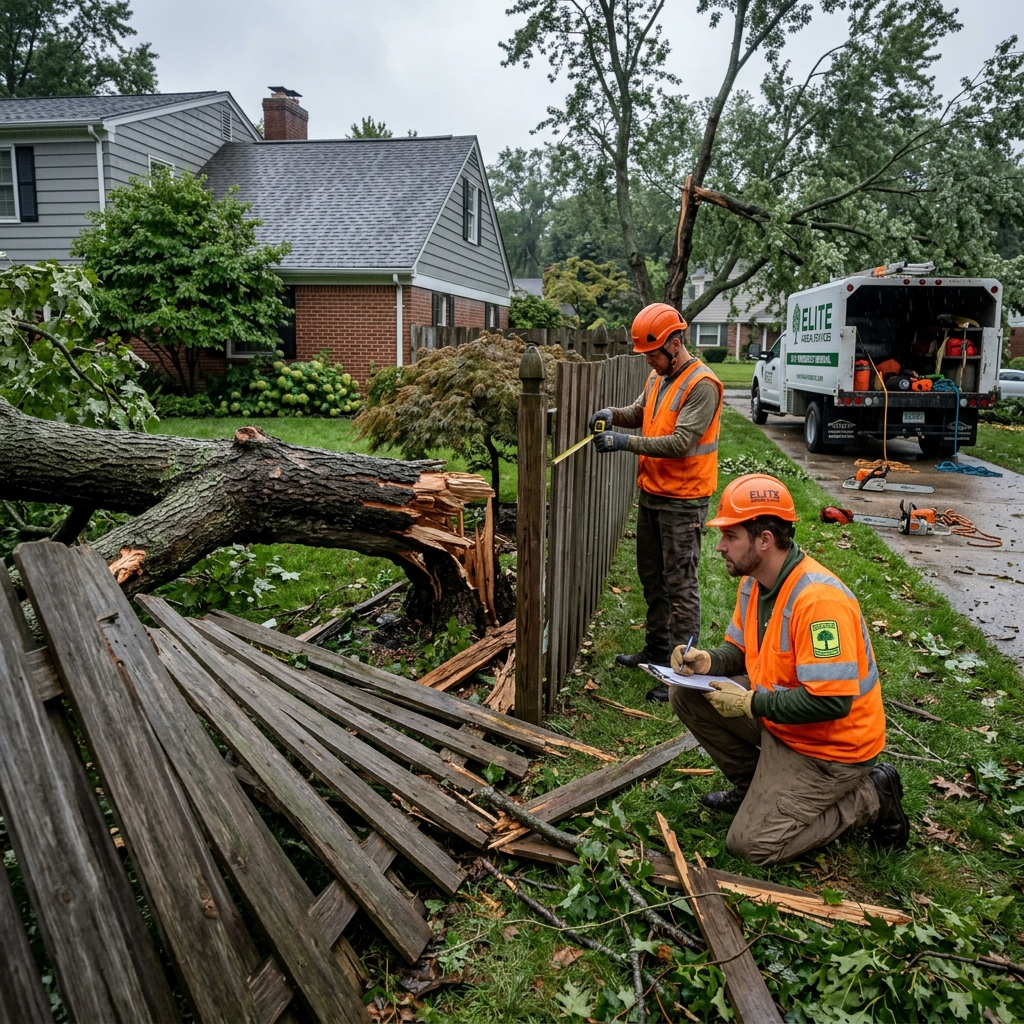
- Storm-Damaged Trees: Trees with split trunks, hanging limbs, or those that have fallen onto structures, vehicles, or power lines after a storm are extremely dangerous. The sheer weight and unpredictable nature of damaged trees require specialized equipment and expertise.
- Trees Leaning on Structures or Power Lines: Any tree or branch making contact with your home, garage, fences, or utility lines presents an immediate and severe hazard. Electrical lines are particularly perilous.
- Uprooted or Severely Leaning Trees: A tree that has partially uprooted, showing significant soil upheaval around its base, or is leaning drastically, especially towards a populated area, is at high risk of falling completely.
- Large Hanging Branches (Widowmakers): A large branch that has broken but remains lodged in the canopy is known as a 'widowmaker.' It can fall without warning and cause serious injury or damage.
If you're facing an urgent tree situation in communities like Get a free, no-obligation estimate from our expert local team today.Need Professional Assistance?