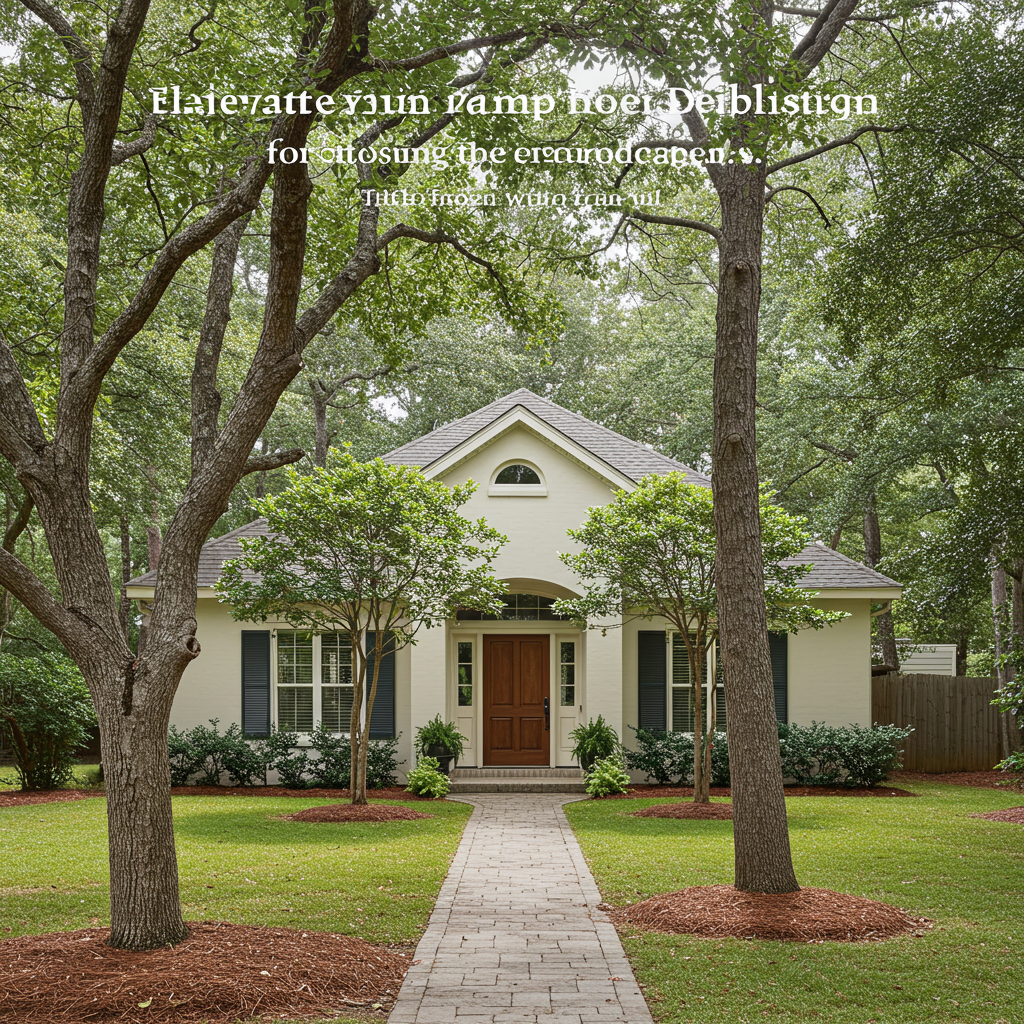
Elevate Your Tampa Home: Choosing the Right Trees for Stunning Landscape Design
What key factors should Tampa homeowners consider when selecting trees for landscape design?
Selecting the perfect tree for your Tampa home goes beyond mere aesthetics; it's about making an informed decision that ensures the tree thrives and contributes positively to your property for decades. The unique climate and soil conditions of Tampa necessitate careful consideration of several critical factors to ensure your landscape design flourishes:
- Soil Type and Drainage: Tampa's soils can vary from sandy to clayey, with drainage being a significant concern, especially during the rainy season. Understanding your soil's composition and how well it drains is paramount. Trees that tolerate saturated conditions, or those that prefer well-drained sandy loam, will perform best when matched to your specific soil. A soil test can provide invaluable insights.
- Sunlight Exposure: Observe the amount of sunlight different areas of your yard receive throughout the day. Full sun (6+ hours), partial sun (4-6 hours), or shade (less than 4 hours) will dictate which tree species are suitable. Placing a sun-loving tree in too much shade, or vice-versa, will significantly hinder its growth and health.
- Mature Size and Growth Rate: This is one of the most frequently overlooked factors. Always research a tree's mature height and canopy spread. A tree that seems small now could easily overwhelm your space, interfere with power lines, plumbing, or your home's foundation. Consider its growth rate to ensure it reaches its desired size within a reasonable timeframe while still fitting the location.
- Pest and Disease Resistance: The warm, humid Tampa climate can be a breeding ground for certain pests and diseases. Opting for tree species known for their natural resistance to common local issues can save you significant maintenance headaches and costs in the long run. A professional arborist can advise on locally resilient varieties.
- Salt Tolerance: For homes closer to the coast or those prone to salt spray, selecting trees with a high tolerance for saline conditions is crucial for their survival and health.
- Hurricane Resilience: Tampa is no stranger to tropical storms and hurricanes. Prioritizing trees with strong wood, deep root systems, and flexible branches can significantly reduce the risk of storm damage to your property and the tree itself. Live Oaks, for example, are renowned for their strength.
How can specific tree choices enhance privacy and reduce energy costs in Tampa?
Trees are not just beautiful additions; they are powerful tools for optimizing your living environment. Strategic tree selection can provide tangible benefits beyond curb appeal, offering both privacy and significant energy savings:
- Creating Natural Privacy Screens: If you're looking to create a secluded oasis or block unsightly views, fast-growing, dense evergreen trees are your best bet. Varieties like Podocarpus macrophyllus (Japanese Yew) or certain types of hollies, such as the 'Eagleston' Holly, can form effective living fences. When planting for privacy, consider the mature width of the trees and plant them at an appropriate distance to allow for healthy growth without overcrowding.
- Reducing Energy Costs Through Strategic Shading: Properly placed shade trees can dramatically lower your home's cooling costs during Tampa's long, hot summers.
- Summer Cooling: Deciduous trees (those that lose their leaves in winter) planted on the east, west, and especially the south sides of your home can block intense summer sun. In winter, once they lose their leaves, they allow beneficial sunlight to warm your home. Evergreen trees offer year-round shade and are ideal for blocking sun from the west or south, particularly where winter sun isn't desired.
- Thermal Mass Reduction: Trees shade not just your roof and walls but also patios, driveways, and other hard surfaces that absorb and re-radiate heat, contributing to the urban heat island effect. Reducing this thermal mass directly lowers the ambient temperature around your home.
Consulting with an arborist can help you pinpoint the optimal locations and species for maximizing these benefits, taking into account sun paths, prevailing winds, and your home's architecture.
Which Tampa-friendly trees offer stunning aesthetic appeal and year-round interest?
Tampa's subtropical climate allows for a remarkable diversity of trees that can add vibrant color, unique textures, and architectural interest to any landscape. Choosing trees for their aesthetic qualities can truly transform your outdoor space:
- Flowering Beauties:
- Crape Myrtle (Lagerstroemia indica): Known for its long blooming season from spring through fall, offering clusters of white, pink, red, or purple flowers. Also features attractive peeling bark.
- Jacaranda (Jacaranda mimosifolia): A spectacular sight in late spring with its breathtaking display of lavender-blue, trumpet-shaped flowers.
- Royal Poinciana (Delonix regia): Often called the 'flame tree' for its brilliant red-orange blossoms that light up the summer landscape. Requires space to grow into its magnificent form.
- Unique Foliage and Form:
- Live Oak (Quercus virginiana): The quintessential Florida tree, prized for its majestic, sprawling canopy and longevity. It provides dense, year-round shade and a classic Southern aesthetic. Requires significant space.
- Magnolia (Magnolia grandiflora): Offers large, fragrant white flowers and glossy, dark green leaves with a coppery underside. A stately evergreen that adds a touch of grandeur.
- Sylvester Palm (Phoenix sylvestris): A robust, ornamental palm with a thick trunk and a full, elegant crown, perfect for adding a tropical resort feel.
- Trees for Year-Round Interest: Consider a mix of evergreen trees for continuous greenery and deciduous trees that offer seasonal changes, such as vibrant fall foliage (though less common in Tampa, some varieties like Bald Cypress can provide this) or dramatic winter branching structures. The goal is to create a dynamic landscape that evolves with the seasons.
What critical steps ensure the successful planting and establishment of your new landscape trees?
The success of your new landscape trees hinges significantly on proper planting techniques and diligent aftercare. Even the most perfectly chosen tree can struggle if these crucial steps are overlooked:
- Site Preparation is Key: Before you even think about putting a tree in the ground, assess your planting site. Amend poor soil with organic matter to improve drainage and nutrient availability. Ensure the area is free of weeds and turfgrass, which can compete with the young tree for resources. Digging a hole that is two to three times wider than the root ball, but only as deep as the root ball, is essential. The top of the root ball should be level with, or slightly above, the surrounding soil grade to prevent issues like root rot.
- Proper Planting Depth: This is arguably the most critical factor. Planting a tree too deep is a common mistake that can lead to suffocated roots, root girdling, and eventual tree decline. Always locate the root flare (where the trunk begins to widen before entering the soil) and ensure it is at or slightly above ground level. Remove any circling roots from the root ball before planting.
- Initial Watering and Ongoing Care: Immediately after planting, water the tree deeply to settle the soil around the roots and eliminate air pockets. For the first year or two, consistent and adequate watering is vital, especially during Tampa's dry spells. Deep, infrequent watering encourages deeper root growth than frequent, shallow watering. A simple moisture meter can help you determine when to water.
- Mulching Benefits: Apply a 2-4 inch layer of organic mulch (like wood chips) around the base of the tree, extending to the drip line, but keep it a few inches away from the trunk to prevent moisture buildup and rot. Mulch helps retain soil moisture, regulate soil temperature, suppress weeds, and slowly enrich the soil as it decomposes.
- Staking (When Necessary): Only stake a young tree if it cannot stand upright on its own, or if it's in an exceptionally windy location. Improper staking can weaken the trunk. If staking is needed, use broad, flexible ties that allow for some trunk movement and remove stakes after 6-12 months once the tree has established its root system.
- Early Pruning for Structure: While major pruning should be left to professionals, minor corrective pruning can be done in the first year to remove dead, damaged, or rubbing branches, helping to establish a strong central leader and good branch structure.
By following these guidelines and understanding the specific needs of your chosen trees, you can create a beautiful, thriving landscape. For professional advice on tree selection, planting, and long-term care tailored to your Tampa property, don't hesitate to contact Tampa Tree Care Specialists. Our certified arborists have the expertise to help you make the best choices for a stunning and sustainable landscape.
Need Professional Assistance?
Get a free, no-obligation estimate from our expert local team today.