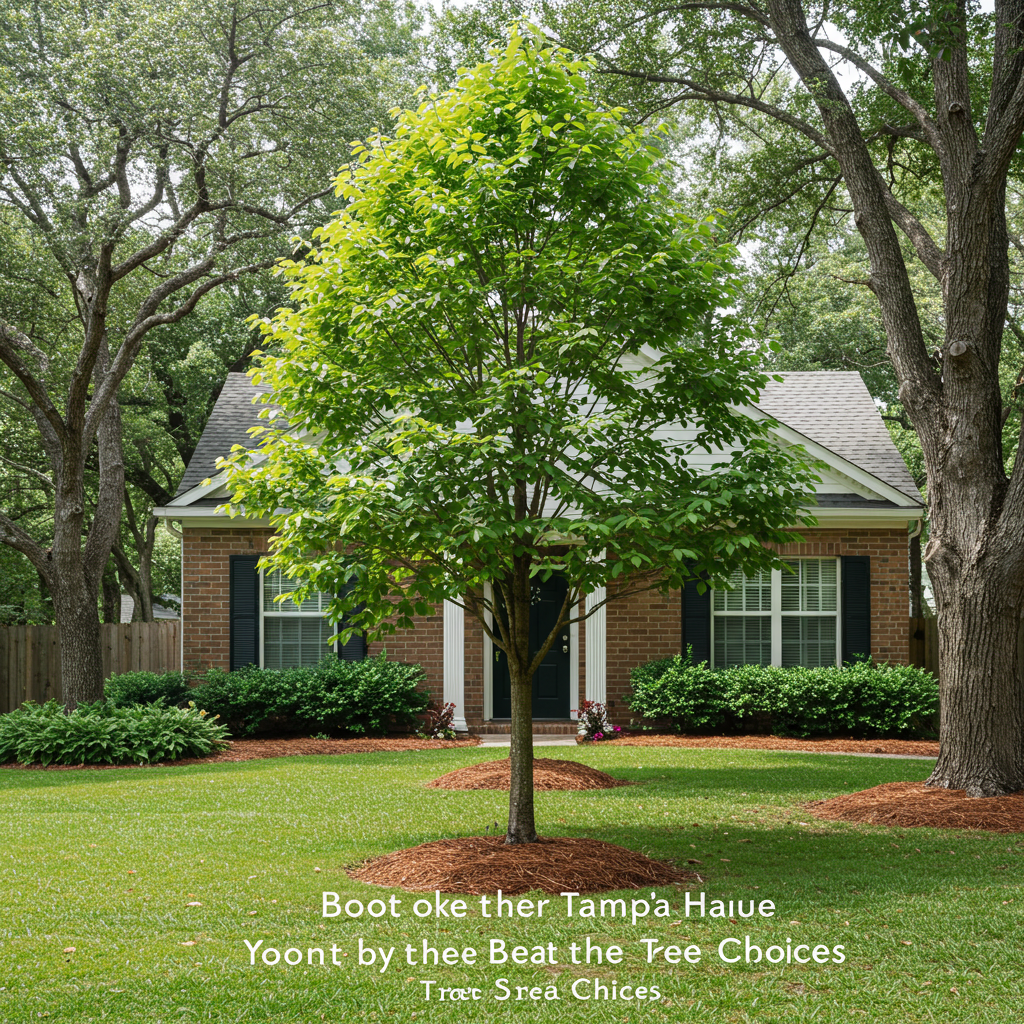
Boost Your Tampa Home's Value & Beat the Heat with Smart Tree Choices
Strategic tree planting significantly enhances your Tampa home's value by boosting curb appeal, providing crucial shade to lower energy bills, and offering natural beauty. Selecting native, heat-tolerant, and hurricane-resistant species ensures long-term benefits, creating a more comfortable and aesthetically pleasing property while requiring less maintenance.
Living in Tampa means embracing beautiful weather, but it also brings intense heat and the occasional tropical storm. For homeowners, the right trees are not just decorative; they are vital investments that contribute to comfort, property value, and even energy savings. Choosing the perfect trees for your landscape goes beyond aesthetics – it's about selecting species that can withstand our climate, offer tangible benefits, and require sustainable care. This guide will walk you through selecting, planting, and maintaining trees that will thrive in Tampa, enhancing your home's appeal and your quality of life.
Which trees are best for increasing property value in Tampa?
When considering trees for your Tampa property, certain species stand out for their ability to significantly enhance curb appeal, provide desirable amenities, and ultimately boost your home's market value. Professional landscaping, especially with mature, healthy trees, consistently ranks as one of the best home improvement investments.
- Live Oak (Quercus virginiana): The quintessential Florida tree, Live Oaks are majestic, long-lived, and provide expansive, cooling shade. Their robust nature and iconic appearance make them highly desirable, adding a sense of establishment and grandeur to any property. Properly cared for Live Oaks are incredibly resilient and can add thousands to a home's value.
- Sabal Palm (Sabal palmetto): Florida's state tree, the Sabal Palm, offers a classic tropical aesthetic. They are highly drought-tolerant once established and incredibly resilient to hurricane-force winds due to their flexible trunks and deep root systems. Sabal Palms require minimal maintenance and contribute significantly to a low-maintenance, high-value landscape.
- Magnolia (Magnolia grandiflora): Southern Magnolias are prized for their glossy green leaves, large fragrant white flowers, and classic Southern charm. They provide excellent shade and a strong visual anchor in the landscape. While they can be messy with leaf and flower drop, their beauty and presence make them a significant value-add.
- Bald Cypress (Taxodium distichum): A deciduous conifer that thrives in wet conditions, the Bald Cypress is surprisingly adaptable and beautiful. Its feathery foliage turns a stunning russet in fall, a rarity in Tampa, offering seasonal interest. They are excellent for stormwater management and provide a unique, sophisticated look.
Investing in these high-value trees, particularly native or well-adapted species, signals a well-maintained and thoughtful property, immediately appealing to potential buyers. Their long-term health and structural integrity are crucial, which often requires professional assessment and care from experienced arborists.
How do shade trees specifically reduce cooling costs in Tampa homes?
The relentless Tampa sun can drive up air conditioning bills significantly. Strategic placement of shade trees is one of the most effective, natural ways to combat this and lower your energy consumption. The principles are simple yet powerful:
- Direct Solar Radiation Blocking: Trees, especially those with dense canopies, intercept sunlight before it ever reaches your home's roof or walls. A shaded surface can be 20-45 degrees Fahrenheit cooler than an unshaded one. This direct blocking reduces the amount of heat absorbed by your home's exterior, meaning your AC system doesn't have to work as hard to cool the interior.
- Evapotranspiration Cooling: As trees release water vapor into the air through their leaves (a process called evapotranspiration), they create a localized cooling effect. This is similar to how sweating cools the human body. Large, healthy trees can transpire hundreds of gallons of water a day, significantly lowering ambient temperatures around your home.
- Wind Channeling and Blocking: Properly placed trees can also help direct cooling breezes towards your home or block hot, undesirable winds, further contributing to a more comfortable microclimate.
For maximum energy savings, focus on planting deciduous trees (which lose their leaves in winter, allowing sunlight in when it's welcome) on the south and west sides of your home. Evergreen trees can provide year-round shade where needed, particularly to block low afternoon sun. A mature, well-placed shade tree can reduce a home's energy consumption by up to 20-30%, leading to substantial savings over its lifetime. To ensure optimal placement for shade and growth, consulting with a certified arborist is highly recommended.
What are the best hurricane-resistant tree choices for Tampa?
Living in a hurricane-prone region like Tampa necessitates careful consideration of tree choices that can withstand strong winds and heavy rainfall. While no tree is completely hurricane-proof, some species are significantly more resilient due to their inherent characteristics.
- Sabal Palm (Sabal palmetto): As mentioned earlier, their flexible trunks, fibrous root systems, and ability to shed fronds during high winds make them exceptionally hurricane-resistant. They bend rather than break, often recovering quickly after a storm.
- Live Oak (Quercus virginiana): These trees possess a very strong, spreading root system and dense, strong wood. Their broad canopies, while susceptible to wind, are generally robust. Regular professional pruning to thin the canopy and remove dead or weak limbs significantly enhances their storm resistance.
- Bald Cypress (Taxodium distichum): Known for thriving in wet conditions, Bald Cypress trees have a deep, strong root system that anchors them firmly. Their relatively narrow, conical shape in youth and strong wood make them less prone to catastrophic limb failure.
- Crape Myrtle (Lagerstroemia indica): While smaller, these trees are excellent for ornamental purposes and are quite wind-resistant. Their multi-trunked growth habit and flexible branches allow them to sway with winds rather than snap. They are a good choice for areas closer to the home where larger trees might pose a greater risk.
Beyond choosing the right species, proper planting and ongoing maintenance are crucial for hurricane resilience. A tree planted too deeply or with girdling roots will be inherently weaker. Regular structural pruning by a qualified arborist ensures a strong, balanced canopy, reducing the likelihood of major limb failure during severe weather events. Neglecting these aspects, even with a strong species, can lead to significant damage.
How can I ensure my newly planted trees thrive in Tampa's climate?
Planting a new tree is an investment, and ensuring its survival and healthy growth in Tampa's challenging climate requires specific attention to detail. Success hinges on proper technique and consistent care during the establishment phase.
Key Steps for Success:
- Proper Site Selection: Ensure the tree's mature size and needs (sunlight, soil type, drainage) match the chosen location. Avoid planting too close to foundations, utility lines, or other structures. Good drainage is paramount in Tampa's often sandy or clayey soils.
- Correct Planting Depth: This is perhaps the most critical factor. The root flare (where the trunk widens at the base) must be at or slightly above soil level. Planting too deeply is a common mistake that can lead to root rot and long-term decline. Dig a hole that is wider than the root ball, but no deeper.
- Watering Protocol: New trees need consistent moisture, especially during their first 1-2 years. Water deeply and regularly, typically 2-3 times per week during dry periods, to encourage deep root growth. Avoid frequent, shallow watering, which promotes surface roots. Check soil moisture before watering.
- Mulching for Moisture and Health: Apply a 2-4 inch layer of organic mulch (like pine bark or wood chips) around the base of the tree, extending to the drip line. Keep mulch a few inches away from the trunk to prevent moisture buildup and disease. Mulch conserves soil moisture, regulates temperature, and suppresses weeds.
- Initial Pruning and Staking: Remove any broken or rubbing branches at planting. Minimal pruning is best for new trees to allow them to establish. Staking should only be done if absolutely necessary (e.g., in very windy areas) and removed after 6-12 months to allow the trunk to develop strength naturally.
- Protection from Pests and Diseases: Monitor your young trees for signs of stress, pests, or diseases. Early detection and intervention are key to preventing serious issues.
Remember, a tree's first few years are crucial for its long-term health and structural integrity. Professional guidance can make all the difference, helping you select the best species for your specific site, ensuring proper planting techniques, and providing ongoing care advice. Tampa Tree Care Specialists offer comprehensive services, from initial consultations to expert planting and ongoing maintenance, ensuring your trees not only survive but thrive for generations. Don't leave your valuable landscape investment to chance; trust the local experts to help your trees flourish and enhance your Tampa home.
Need Professional Assistance?
Get a free, no-obligation estimate from our expert local team today.