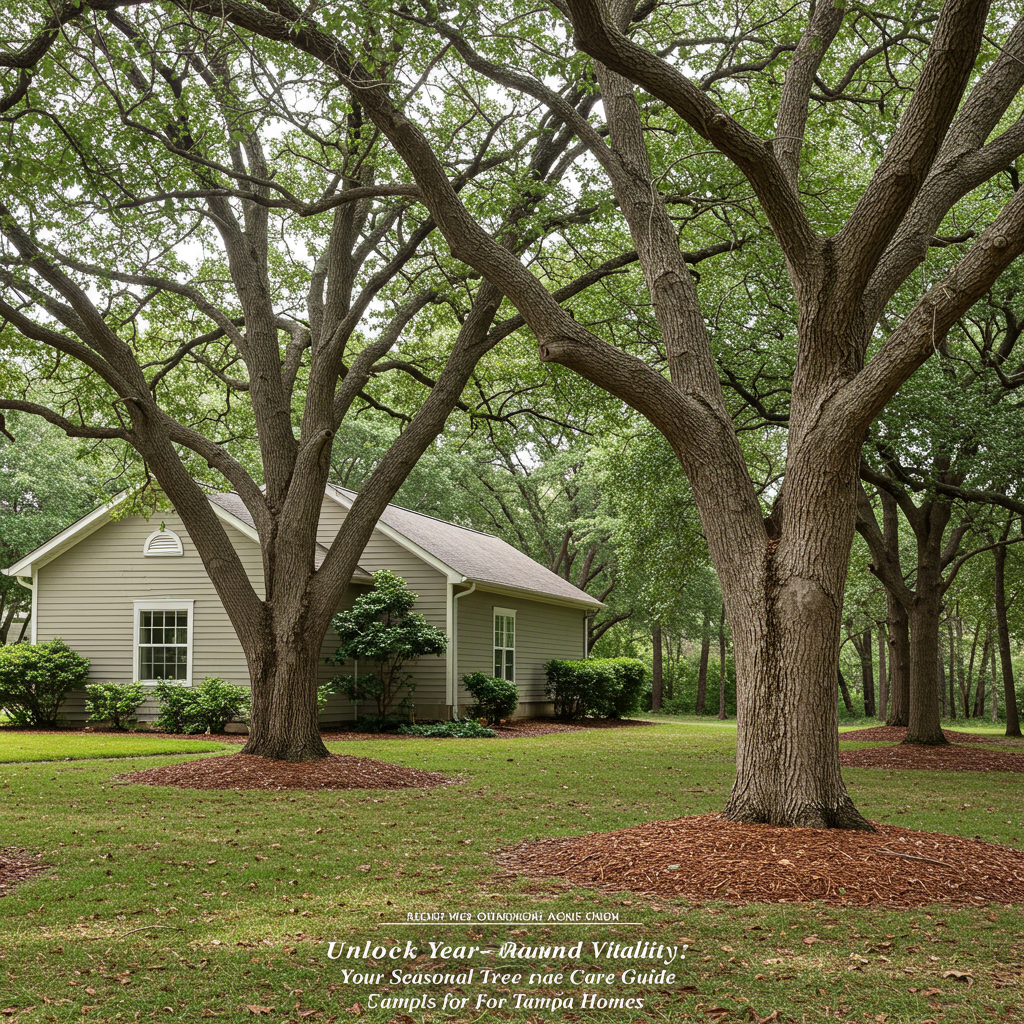
Unlock Year-Round Vitality: Your Seasonal Tree Care Guide for Tampa Homes
What are the Key Seasonal Challenges for Tampa Trees?
Tampa's subtropical climate presents unique challenges for tree health that vary significantly throughout the year. Understanding these seasonal shifts is the first step to providing optimal care and ensuring your trees remain vibrant and strong. Unlike regions with distinct four-season weather, Tampa experiences a warm, humid wet season and a drier, milder 'winter' that can still pose significant stress.
- Intense Summer Heat and Humidity: From late spring through early fall, temperatures consistently soar, accompanied by high humidity and frequent heavy rains. This combination can lead to rapid fungal growth, increased pest activity, and heat stress, even for native species. Overwatering in poorly draining soils during this period can also lead to root rot.
- Dry 'Winter' Season: While mild, Tampa's dry season (typically October through April) brings less rainfall, which can lead to drought stress for many trees, particularly younger or less established ones. Even though temperatures rarely drop to freezing, cooler fronts can cause defoliation in sensitive species and require different care approaches.
- Tropical Storm and Hurricane Season: Annually from June 1st to November 30th, Tampa faces the threat of strong winds and torrential rains. Trees must be structurally sound and well-maintained to withstand these forces, making pre-storm preparation and post-storm recovery critical.
- Pest and Disease Pressure: The consistent warmth and humidity create an ideal breeding ground for various tree pests (like scales, aphids, and borers) and diseases (such as Ganoderma root rot, lethal bronzing, and powdery mildew) year-round. Identifying and addressing these issues early is paramount.
- Soil Conditions: Many areas in Tampa have sandy, well-draining soils, which can lead to nutrient leaching, especially during heavy rains. Conversely, some areas might have denser clay, contributing to waterlogging during the wet season. Understanding your soil type is crucial for proper watering and fertilization.
How Should I Care for My Trees in Tampa's Spring and Summer?
Spring and summer are periods of active growth and significant stress for trees in Tampa. Proactive care during these months is vital for long-term health.
Spring (March - May)
- Pruning for Health: As new growth begins, it's an ideal time for structural pruning. Remove any dead, diseased, or damaged branches to encourage healthy growth and improve airflow within the canopy. Avoid heavy pruning once temperatures consistently rise, as it can stress the tree during hotter months.
- Fertilization: Before the heavy summer rains wash away nutrients, apply a slow-release, balanced fertilizer appropriate for your tree species and soil analysis. This provides essential nutrients for robust spring growth.
- Pest and Disease Scouting: As temperatures rise, so does pest activity. Regularly inspect leaves, bark, and branches for signs of common Tampa pests or early symptoms of fungal diseases. Early detection is key to effective management.
- Deep Watering: While spring can have some rain, there are often dry spells. Ensure trees receive deep, consistent watering, especially new plantings, to encourage strong root development before the peak summer heat.
Summer (June - August)
- Monitoring for Heat and Drought Stress: Even with daily rains, intense heat can cause stress. Observe for wilting, leaf scorch, or stunted growth. During periods of drought between rainfalls, supplement with deep watering.
- Pest and Disease Management: This is peak season for many tree problems. Continue vigilant scouting. If you spot significant infestations or disease progression, consult with a professional arborist immediately for targeted treatment.
- Post-Storm Assessment: After any significant summer storm, inspect your trees for limb breakage, leaning, or root exposure. Address any damage promptly to prevent further issues or safety hazards. Tampa Tree Care Specialists can provide emergency services for storm-damaged trees.
- Avoid Heavy Pruning: Generally, avoid major pruning during the hottest parts of summer unless it's to remove hazardous branches. Pruning creates wounds that can stress the tree and make it more susceptible to pests and diseases during high heat.
What Autumn and Winter Tree Care is Essential in Tampa?
While milder than elsewhere, Tampa's autumn and winter still require specific tree care to ensure dormancy is managed well and to prepare for the coming spring.
Autumn (September - November)
- Pre-Hurricane Season Checks: Although hurricane season officially ends in November, late-season storms can still occur. Ensure any necessary pruning for structural integrity was completed earlier in the year.
- Preparation for Cooler Weather: As temperatures begin to cool, some trees may show signs of stress or enter a semi-dormant state. Rake leaves to prevent fungal issues and improve air circulation around the tree base.
- Watering Adjustment: Reduce watering frequency as rainfall naturally decreases and temperatures drop, but don't stop entirely. Monitor soil moisture, providing supplemental water during extended dry periods, especially for evergreens.
- Tree Planting: Fall is an excellent time to plant new trees in Tampa. The cooler weather and potentially more consistent moisture allow roots to establish before the next summer's heat.
Winter (December - February)
- Dormant Pruning: For deciduous trees, late winter (January-February) is an ideal time for structural pruning, as the tree is dormant and limb structure is visible. This promotes vigorous spring growth. For evergreens, light shaping can be done.
- Mulching: Apply a fresh layer of organic mulch (2-4 inches deep, kept a few inches away from the trunk) to help retain soil moisture, regulate soil temperature, and suppress weeds during the drier winter months.
- Pest and Disease Inspection: While activity slows, some overwintering pests or dormant fungal spores can still be present. A thorough inspection can help catch problems before they become severe in spring.
- Protect Sensitive Species: On rare occasions, Tampa can experience freezing temperatures. Protect young or sensitive tropical trees with burlap wraps or by covering them with blankets if a freeze is forecast.
When Do My Tampa Trees Need Professional Arborist Help?
While homeowners can perform many routine tree care tasks, certain situations demand the expertise of a certified arborist. Knowing when to call a professional can save your trees, enhance safety, and protect your property investment.
- Emergency Situations: Following a storm, if a tree is leaning dangerously, has large broken limbs, or has fallen on property, immediate professional help is essential. Tampa Tree Care Specialists offer prompt and safe emergency tree removal and storm damage cleanup.
- Complex Pruning: Large trees, trees near power lines, or those requiring significant structural pruning are best handled by trained arborists who have the knowledge, equipment, and insurance to perform the job safely and correctly. Improper pruning can severely damage a tree's health and stability.
- Pest and Disease Diagnosis & Treatment: If you notice unusual leaf discoloration, cankers, unusual growths, or significant pest infestations, a professional arborist can accurately diagnose the problem and recommend the most effective, environmentally responsible treatment plan. They have access to advanced treatments and deep knowledge of local pathogens and pests.
- Tree Removal: Removing a tree, especially a large one, is a dangerous task that should only be performed by experienced professionals. They ensure safe removal without damage to surrounding property.
- Tree Planting and Transplanting: For successful tree planting or relocating a mature tree, an arborist can advise on species selection, optimal placement, and proper planting techniques to ensure the tree thrives in Tampa's environment.
- Risk Assessment: If you're concerned about a tree's stability, especially if it's near structures or high-traffic areas, a certified arborist can perform a comprehensive risk assessment to identify potential hazards and recommend corrective actions like cabling, bracing, or removal.
- Pre-Construction Planning: If you're undertaking renovations or new construction, an arborist can help protect valuable trees from construction damage and advise on tree-friendly building practices.
By understanding Tampa's seasonal demands and recognizing the signs that call for expert intervention, you can ensure your trees are a beautiful and valuable asset to your property for years to come. For any complex tree care needs, or to schedule a proactive seasonal inspection, don't hesitate to contact Tampa Tree Care Specialists. Our certified arborists are ready to provide the professional care your trees deserve, keeping them healthy and strong through every season.
Need Professional Assistance?
Get a free, no-obligation estimate from our expert local team today.