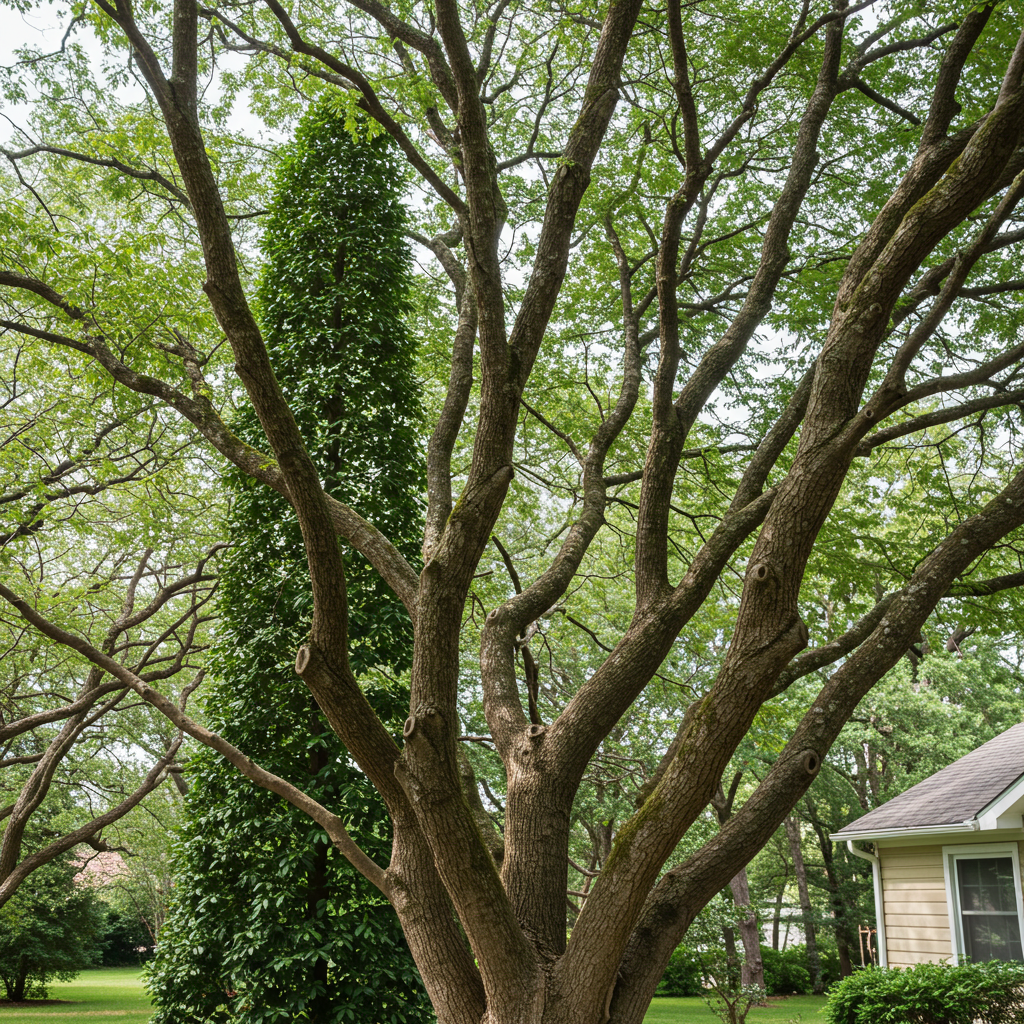
Unlock Your Tree's Full Potential: Advanced Pruning Strategies for Tampa Homes
What are the different types of advanced tree pruning in Tampa?
Advanced tree pruning encompasses a range of specialized techniques, each designed to address specific tree health, safety, or structural concerns. Unlike basic trimming, which might focus only on aesthetics or removing obviously dead branches, advanced pruning requires a deep understanding of tree biology, growth patterns, and the unique stressors present in the Tampa climate.
- Crown Cleaning (Deadwooding): This is the removal of dead, dying, or diseased branches from the tree's crown. In Tampa, where humidity and heat can accelerate decay and foster disease, regular crown cleaning is crucial. It prevents the spread of pathogens, reduces the risk of falling limbs during storms, and allows the tree to allocate resources more efficiently to healthy growth.
- Crown Thinning: Involves the selective removal of branches to improve light penetration and air circulation throughout the crown. For Tampa trees, this is particularly important for reducing wind resistance, making trees more resilient to hurricanes and tropical storms. Improved air circulation also helps to reduce the incidence of fungal diseases prevalent in our humid environment.
- Crown Raising (Lifting): This technique removes lower branches to provide clearance for pedestrians, vehicles, buildings, or views. It's often necessary in urban and suburban Tampa landscapes to comply with local ordinances and ensure safety and accessibility around properties.
- Crown Reduction: This method carefully reduces the size of a tree's crown, often by removing branches back to a lateral branch capable of sustaining the remaining portion and assuming the terminal role. It's used to reduce overall height or spread, mitigate risk, or manage tree size near structures or power lines, always aiming to maintain the tree's natural form and structural integrity. This is distinct from "topping," which is highly detrimental to a tree's health.
- Structural Pruning: A foundational technique, especially for young trees, focused on establishing a strong and well-distributed branch framework. For mature trees, it addresses structural defects to enhance stability.
Each of these techniques requires precise cuts, an understanding of branch collar anatomy, and a professional assessment to determine the best approach for the specific tree species and its environmental context.
Why is structural pruning essential for young and mature Tampa trees?
Structural pruning is perhaps one of the most impactful advanced pruning techniques, providing long-term benefits for trees of all ages, especially in a dynamic environment like Tampa's. Its importance cannot be overstated:
- For Young Trees: Proactive structural pruning guides the tree's growth, establishing a single, dominant leader and well-spaced, strong lateral branches. This prevents the formation of weak crotches (narrow angles where branches join the trunk), which are highly susceptible to splitting under the stress of high winds or heavy rainfall – a common occurrence during Tampa's storm season. By addressing these issues early, we can significantly reduce the need for corrective pruning or even removal later in the tree's life.
- For Mature Trees: Even established trees can benefit from structural pruning to correct past growth deficiencies, remove crossing or rubbing branches that create wounds and entry points for disease, or alleviate excessive weight on limbs. It helps distribute the tree's mass more evenly, enhancing its overall stability and resilience against adverse weather. In Tampa, where mature trees provide invaluable shade and aesthetic appeal, maintaining their structural integrity is key to preserving these assets and preventing potential hazards.
An experienced arborist understands how different species grow and can identify potential structural weaknesses before they become significant problems, saving homeowners substantial costs and heartache in the long run.
How does crown management improve tree health and safety in Florida's climate?
Effective crown management, through techniques like thinning and reduction, is vital for improving both the health and safety of trees in Tampa's subtropical climate. Florida's weather patterns, characterized by high humidity, intense sunlight, and frequent severe storms, present unique challenges that crown management can help mitigate:
- Increased Wind Resistance: Crown thinning strategically removes interior branches and reduces overall crown density. This allows wind to pass through the canopy more easily, significantly reducing the "sail effect" that can lead to entire trees uprooting or large limbs snapping during hurricanes and tropical storms. This is a critical safety measure for any tree near a structure or high-traffic area in Tampa.
- Enhanced Sunlight Penetration: A dense crown can block sunlight from reaching inner branches and the understory, leading to weaker growth and reduced vigor. Thinning the crown ensures that more sunlight reaches all parts of the tree, promoting healthier foliage and stronger internal growth.
- Improved Air Circulation: High humidity in Tampa creates an ideal breeding ground for various fungal diseases and pest infestations. By improving air circulation within the tree's crown, crown thinning helps to dry out foliage more quickly after rain, reducing the conditions conducive to disease development. This proactive approach is essential for preventing common Tampa tree ailments.
- Reduced Branch Weight and Stress: Crown reduction can decrease the overall weight of heavy, extended limbs, reducing stress on the tree's attachment points and minimizing the risk of breakage. This is particularly important for trees with a large canopy spread over homes or driveways.
- Pest and Disease Management: A well-managed crown makes it easier to inspect for signs of pests or diseases. By removing weak or dead wood during crown cleaning, potential habitats for pests are eliminated, and disease spread is contained.
By thoughtfully managing the tree's crown, homeowners in Tampa can contribute significantly to its longevity, vitality, and ability to withstand the challenges of the local environment.
When should Tampa homeowners consider professional advanced pruning services?
While some minor tasks might be DIY, advanced tree pruning requires specialized knowledge, equipment, and safety protocols that only a professional arborist can provide. Knowing when to call in the experts is key to protecting both your trees and your property:
- Signs of Structural Weakness: If you notice large dead branches, crossing or rubbing limbs, cracks in the trunk or major limbs, or a tree leaning significantly, these are strong indicators that professional intervention is needed. These issues pose significant safety risks, especially with Tampa's propensity for strong winds.
- After a Storm: Post-storm assessment by a certified arborist is crucial. Even if a tree appears fine, hidden damage could compromise its integrity. An arborist can identify risks, remove hazardous limbs, and provide restorative pruning.
- Proximity to Structures or Power Lines: Trees growing too close to your home, garage, or utility lines require expert attention to ensure clearance and prevent damage or outages. Attempting to prune near power lines is extremely dangerous and should only be done by trained professionals.
- Tree Health Concerns: If your tree shows signs of disease (unusual spots, growths, wilting), pest infestation, or stunted growth, advanced pruning might be part of the treatment plan. An arborist can accurately diagnose the issue and recommend the appropriate pruning strategy.
- Large or Mature Trees: Pruning large trees safely and effectively requires specialized equipment like bucket trucks, climbing gear, and heavy-duty saws. Professionals also have the expertise to make cuts that promote proper healing and minimize stress to the tree.
- Preparing for Development: If you are planning construction or significant landscaping changes, consulting an arborist for pre-construction pruning can help protect valuable trees from inevitable root and canopy stress.
- Routine Maintenance for Longevity: For homeowners committed to the long-term health and beauty of their landscape, scheduling regular advanced pruning every 3-5 years (depending on the tree species and age) is a wise investment. This proactive approach prevents small issues from becoming major problems.
For any of these situations, partnering with a professional tree service like Tampa Tree Care Specialists ensures that your trees receive the highest level of care. Our certified arborists possess the knowledge of tree biology, advanced pruning techniques, and local Tampa conditions to perform precise, safe, and beneficial pruning. We understand that every cut impacts the tree's future, and we are dedicated to enhancing the health, safety, and aesthetic value of your landscape. Contact us today for an expert assessment and to discuss a tailored advanced pruning plan for your Tampa property.
Need Professional Assistance?
Get a free, no-obligation estimate from our expert local team today.