July 5, 2026•By Senior Arboricultural Advisor
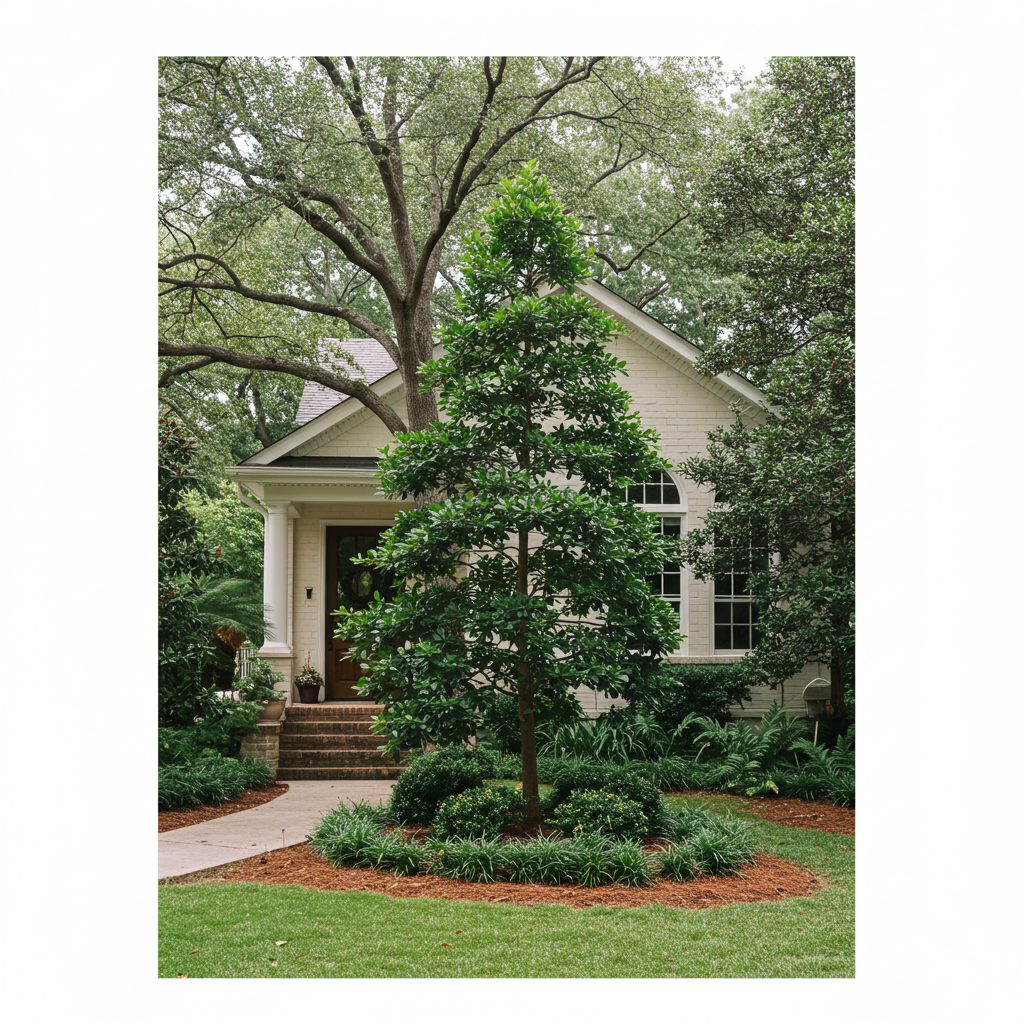
Elevate Your Tampa Home: Choosing the Perfect Tree for Beauty and Longevity
Choosing the perfect tree for your Tampa property involves evaluating several critical factors, including your yard's sun exposure, soil type, available space, desired tree function (shade, privacy, aesthetics), and local climate resilience. Prioritizing native or well-adapted species and considering mature size will ensure your new tree thrives with minimal intervention.
What Factors Should Tampa Homeowners Consider When Selecting a Tree?
Selecting a new tree for your Tampa property is a significant decision that impacts your landscape for decades. To ensure your investment flourishes, it's crucial to assess several environmental and functional factors unique to the Tampa Bay area. Ignoring these can lead to a tree that struggles, requires excessive maintenance, or even becomes a hazard.
- Sun Exposure: Observe your planting site throughout the day. Does it receive full sun (6+ hours), partial sun (3-6 hours), or full shade (less than 3 hours)? Matching a tree's light requirements to your site is fundamental for its growth and health. A sun-loving tree in too much shade will be spindly, while a shade-loving tree in full sun will scorch.
- Soil Type and Drainage: Tampa's soils can vary from sandy to more loamy, often with high pH levels. Before planting, understand your soil's composition and, critically, its drainage. Poorly draining soil can lead to root rot, a common killer of new trees. Dig a small test hole and fill it with water; if it takes more than a few hours to drain, you have a drainage issue that needs addressing.
- Available Space (Above and Below Ground): Consider the tree's mature size – both canopy spread and root system. How close is it to your home, septic system, paved areas, power lines, or neighboring properties? A small sapling can quickly become a problem if planted without foresight. Remember that roots spread far beyond the drip line of the canopy.
- Desired Function and Aesthetics: What purpose will the tree serve? Are you looking for shade, privacy, a windbreak, a focal point, or a food source? Do you prefer evergreen or deciduous, flowering or non-flowering? Your aesthetic preferences should align with the tree's functional benefits and suitability for the site.
- Wind and Storm Resilience: Tampa is prone to hurricanes and strong winds. Choosing trees known for strong wood, deep root systems, and good wind resistance is a smart long-term strategy. Species with brittle wood or shallow roots are best avoided near structures.
Which Tree Species Thrive Best in Tampa's Climate and Soil?
Tampa's subtropical climate, characterized by hot, humid summers and mild winters, combined with its unique soil conditions, means not all trees will thrive here. Opting for species well-adapted to USDA Hardiness Zone 10a/10b and local conditions significantly increases success.
- Native Champions: Native trees are often the best choice as they are naturally resistant to local pests and diseases and are perfectly adapted to the climate and soil. They also support local wildlife.
- Live Oak (Quercus virginiana): Iconic, long-lived, and offers magnificent shade. Tolerant of various soils once established.
- Sabal Palm (Sabal palmetto): Florida's state tree, extremely hardy, drought-tolerant, and wind-resistant.
- Bald Cypress (Taxodium distichum): Deciduous conifer, beautiful fall color, great for wet areas, very strong.
- Gumbo Limbo (Bursera simaruba): Fast-growing, distinctive peeling bark, excellent wind resistance, often called the
Need Professional Assistance?
Get a free, no-obligation estimate from our expert local team today.