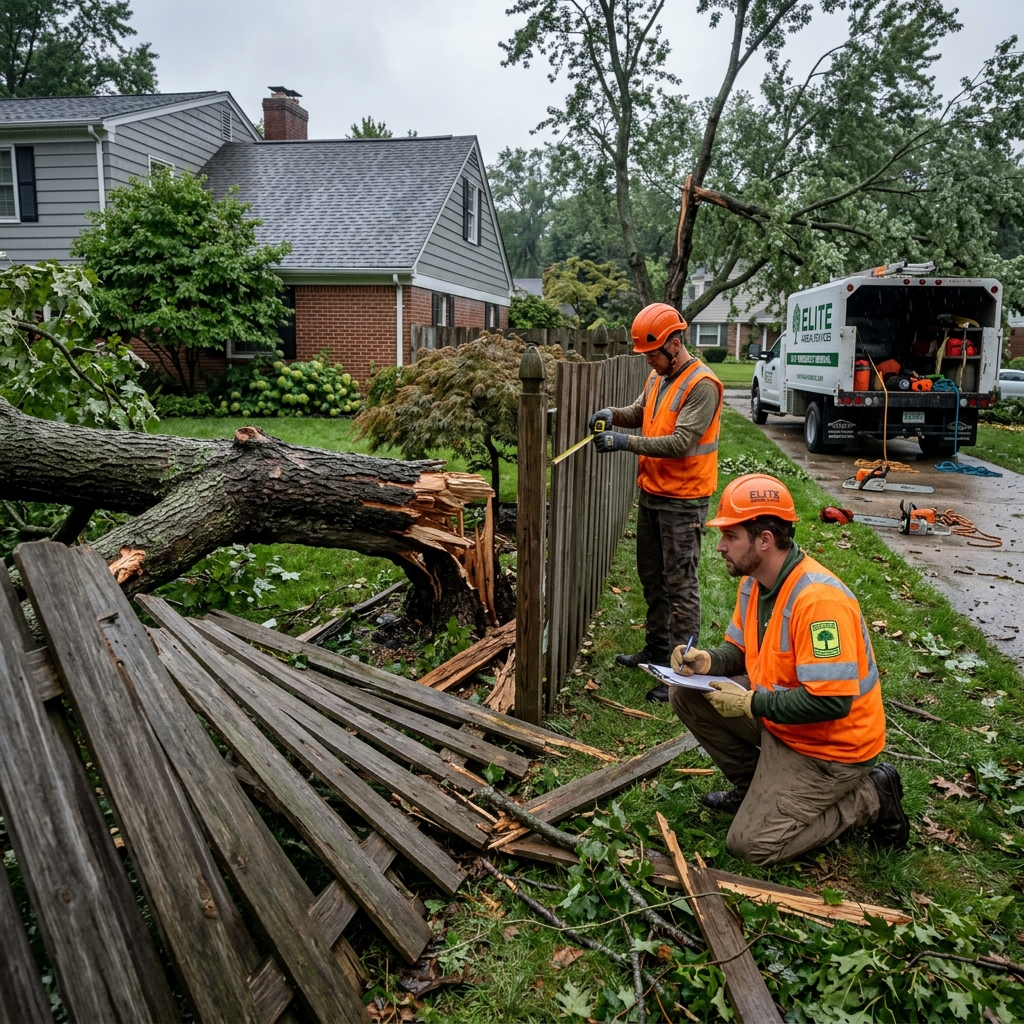
Don't Wait! Critical Tree Danger Signs in Tampa You Can't Ignore
Recognizing critical tree danger signs in Tampa, FL, is essential for homeowner safety and property protection, especially given our climate. Immediate action by a certified arborist is necessary when you observe large cracks, sudden leaning, extensive dead branches, or fungal growth at the tree's base, as these often indicate imminent failure and severe risk.
What Are the Most Critical Tree Danger Signs in Tampa, FL?
Tampa's unique subtropical climate, characterized by heavy rains, strong winds, and occasional tropical storms, can put immense stress on trees. This stress can exacerbate underlying issues, turning a seemingly healthy tree into a dangerous hazard. Knowing what to look for is your first line of defense against potential property damage or personal injury.
Here are the most critical signs indicating a tree in your Tampa yard might be a danger:
- Major Cracks or Splits in the Trunk or Large Branches: These can range from hairline fractures to significant separations. Cracks indicate structural weakness and can lead to immediate failure, especially under high winds or heavy rain. Look for vertical cracks running up and down the trunk or splits where branches meet the main stem.
- Sudden Leaning or Uprooting: If a tree suddenly starts to lean, or if the soil around its base begins to heave and crack, it's a strong indicator of root damage or instability. This is particularly concerning if the lean is new or progressing rapidly. Such a tree could fall at any moment.
- Extensive Dead or Hanging Branches (Widowmakers): Large dead branches that are still attached to the tree, especially those overhanging your home, driveway, or public areas, are known as 'widowmakers.' They can break off unexpectedly, causing significant damage or injury. The sheer weight of such branches, combined with Tampa's strong winds, makes them extremely dangerous.
- Fungal Growth at the Tree's Base or on the Trunk: Mushrooms, conks, or shelf fungi growing on the lower trunk or at the root flare often signify internal decay. These fungi are the fruiting bodies of wood-rotting organisms that compromise the tree's structural integrity from the inside out, making it vulnerable to collapse.
- Heaving Soil or Exposed Roots: If the soil around the base of your tree appears to be pushing up or if major roots are lifting out of the ground, it suggests the root system is failing to anchor the tree properly. This is a common precursor to uprooting during storms.
- Cavities and Hollows: Large holes or hollows in the trunk or major branches indicate extensive decay. While some trees can live with cavities, large or rapidly expanding ones severely weaken the tree's structure.
- Insect Infestation and Excessive Sapwood Damage: While some insects are harmless, others, like borers or termites, can cause significant structural damage. Look for sawdust, exit holes, or excessive sap weeping, which can signal a severe infestation compromising the tree's health and stability. If you're in Forest Hills and notice persistent insect issues, a professional assessment is crucial.
Ignoring these signs can have dire consequences. It’s always safer to have a professional assessment than to wait for a disaster.
How Do Tampa's Weather and Pests Impact Tree Health and Safety?
Tampa's environmental conditions are a double-edged sword for tree health. While our abundant sunshine and rainfall encourage lush growth, they also present unique challenges that can weaken trees and increase their risk of failure.
Hurricane Season and High Winds
From June to November, Tampa is vulnerable to tropical storms and hurricanes. High winds can:
- Snap weak or decayed branches.
- Uproot trees with compromised root systems.
- Cause entire trees to fall onto homes, vehicles, or power lines.
- Exacerbate existing cracks or decay, leading to catastrophic failure.
Heavy rains that often accompany these storms saturate the soil, loosening the grip of roots and making trees more susceptible to uprooting.
Pests and Diseases Prevalent in Tampa
Several pests and diseases thrive in Florida's warm, humid climate, posing significant threats to Tampa's urban canopy:
- Ganoderma Root Rot: This common fungal disease attacks the roots and lower trunk of many tree species, causing internal decay and making the tree prone to sudden failure. Conks (shelf-like fungi) often appear at the base.
- Laurel Wilt: A devastating fungal disease spread by the ambrosia beetle, primarily affecting redbay, avocado, and other members of the laurel family. It causes rapid wilting and death, leaving brittle, hazardous trees.
- Ambrosia Beetles: These small beetles bore into stressed or weakened trees, introducing fungi that further compromise the tree's vascular system. Look for toothpick-like sawdust tubes protruding from the bark.
- Termites: While primarily known for attacking homes, some termite species can infest and weaken trees, especially those with existing decay.
Early identification and intervention are key to managing these threats. A tree weakened by disease or pests is far more likely to suffer severe damage during a storm, making it an urgent danger. Our experts serving Lutz and surrounding areas are familiar with these specific regional threats.
When Should I Call a Professional Arborist for an Emergency Tree Assessment?
DIY tree work, especially involving large or compromised trees, is extremely dangerous and can lead to severe injury, death, or extensive property damage. Professional arborists are trained, equipped, and insured to handle hazardous tree situations safely and effectively.
You should call Tampa Tree Care Specialists immediately if you observe any of the critical danger signs mentioned above, or if:
- A tree has recently been damaged by a storm and is leaning or has large hanging branches.
- A tree is growing dangerously close to power lines, your home, or other structures.
- You notice significant bark loss or deep gouges in the trunk after an incident.
- Your tree shows signs of rapid decline, such as sudden defoliation or browning leaves outside of normal seasonal changes.
- You hear cracking or groaning noises coming from a tree, especially during windy conditions.
What to Expect During a Professional Emergency Assessment:
When you call us for an emergency tree assessment in Tampa, our certified arborists will:
- Conduct a Thorough Visual Inspection: We'll examine the entire tree, from the root collar to the canopy, looking for signs of disease, decay, structural weakness, pest infestations, and environmental stressors.
- Assess Risk Factors: We evaluate the tree's proximity to targets (homes, driveways, play areas), its size, species, and overall health to determine the level of risk it poses.
- Provide Expert Recommendations: Based on our findings, we will offer clear, actionable advice. This might include emergency tree removal, strategic pruning to mitigate risk, cabling and bracing for stabilization, or disease/pest treatment plans.
- Offer a Transparent Estimate: You'll receive a detailed, no-obligation estimate for the recommended services.
Our goal is to provide peace of mind by addressing potential dangers before they become emergencies, ensuring the safety of your property and loved ones.
What is the Cost of Emergency Tree Services in Tampa, FL?
The cost of emergency tree services in Tampa, FL, can vary significantly due to several factors. Because emergency situations often require immediate response, specialized equipment, and work outside of regular business hours, they typically incur higher costs than routine tree care.
Key factors influencing the cost include:
- Tree Size: Larger trees require more time, specialized equipment (cranes, lifts), and personnel, leading to higher costs.
- Tree Location and Accessibility: Trees in difficult-to-access areas (e.g., backyard, steep slope, near power lines or structures) are more complex and expensive to service due to safety precautions and equipment limitations.
- Level of Danger: A tree that has already fallen on a structure or is precariously balanced poses a higher risk and requires more careful, specialized removal techniques, increasing the cost.
- Type of Service: Emergency tree removal is generally more expensive than emergency pruning or limb removal, especially if the entire tree needs to be cut down and hauled away.
- Time of Service: Emergency calls often mean after-hours or weekend work, which may involve premium pricing.
- Debris Removal: The cost typically includes hauling away all branches, trunk sections, and wood chips, but this can be itemized.
While it's impossible to give an exact figure without an on-site assessment, emergency tree removal in Tampa can range from a few hundred dollars for small, easily accessible trees to several thousand for large, complex removals over structures. The best way to get an accurate quote is to contact a professional arborist for an on-site evaluation.
Why Proactive Tree Care Saves Money
Investing in regular tree trimming, pruning, and health assessments can often prevent costly emergencies. Proactive care helps maintain tree structure, identify potential issues early, and reduce the likelihood of storm damage or sudden tree failure. This long-term approach to tree health is almost always more economical than reacting to an emergency.
Protect Your Property: Contact Tampa Tree Care Specialists Today
Don't let a dangerous tree become a disaster. If you've noticed any of these critical danger signs in your Tampa yard, or if you simply have concerns about a tree's health and stability, don't hesitate. Delaying action can lead to significant property damage, costly repairs, or even personal injury.
At Tampa Tree Care Specialists, our team of certified arborists has the expertise, equipment, and experience to safely assess and address all your emergency tree service needs in Tampa, FL. We're dedicated to providing prompt, professional, and reliable tree care solutions that ensure the safety and beauty of your property.
Contact Tampa Tree Care Specialists today for a comprehensive tree assessment and a free, no-obligation estimate. Your safety is our priority!
Need Professional Assistance?
Get a free, no-obligation estimate from our expert local team today.