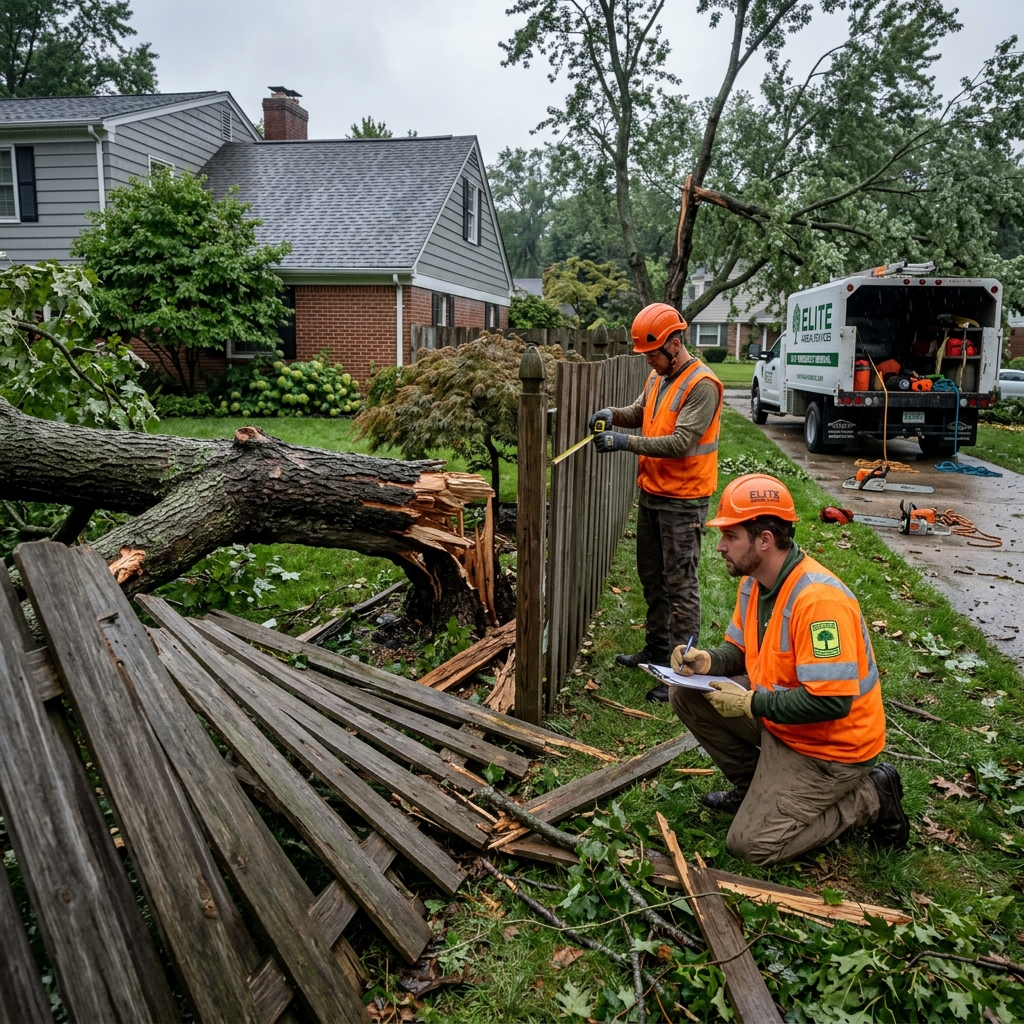
Is Your Tree a Danger? Critical Signs & Expert Assessment in Tampa, FL
If you suspect a tree on your Tampa property is dangerous, look for severe leaning, large dead branches, deep cracks in the trunk, visible root damage, or significant fungal growth indicating decay. These are critical indicators that professional tree risk assessment by certified arborists is urgently needed to prevent potential property damage, injury, or even loss of life. Ignoring these warnings can lead to catastrophic consequences.
Tampa's unique environment, with its subtropical climate, sandy soils, and susceptibility to severe weather events, makes understanding and addressing tree hazards particularly crucial. While trees enhance our landscapes and provide invaluable benefits, an unstable or diseased tree poses a significant risk to homes, vehicles, and residents. This guide will walk you through the key warning signs of a dangerous tree, explain how local conditions contribute to tree instability, and detail when and why you should call a professional for an expert assessment.
What are the Key Warning Signs of a Dangerous Tree in Tampa?
Identifying a hazardous tree often begins with a visual inspection. While some issues are obvious, others can be subtle indicators of deep-seated problems. Here are the most common signs that a tree may be a danger:
- Strong Leaning: While some trees naturally grow with a slight lean, a sudden or excessive lean (more than 15-20 degrees from vertical), especially after a storm, is a major red flag. If the soil around the base of the tree is heaving or cracking on the side opposite the lean, this indicates root system failure and imminent collapse.
- Large Dead or Decaying Branches: Branches that are devoid of leaves, brittle, or show signs of decay (mushrooms, soft wood) are often referred to as "widowmakers." These can break off without warning, especially during high winds, and cause significant damage or injury. The larger the dead branch, the greater the risk.
- Trunk Cracks and Splits: Deep, vertical cracks, especially those extending through the bark into the wood, or splits where two co-dominant stems meet (V-shaped unions) are serious structural defects. These can weaken the tree significantly, making it susceptible to failure.
- Cankers and Fungal Growth: Cankers are localized areas of dead bark and underlying tissue, often sunken or discolored. Fungal fruiting bodies like mushrooms, conks, or shelf fungi growing on the trunk or at the base of the tree are definitive signs of internal decay. The larger and more numerous the fungi, the more extensive the rot within.
- Root Damage or Heaving Soil: Roots are the tree's anchor. Visible root damage from construction, trenching, or girdling roots (roots that grow around the trunk, strangling the tree) can compromise stability. If the soil around the base of the tree is heaving or mounding, especially on one side, it indicates that the root plate is failing.
- Weak Branch Unions: The point where a branch attaches to the trunk is called a union. V-shaped unions often indicate weak attachments with included bark (bark growing inward, preventing proper wood fusion), making them prone to splitting. U-shaped unions are generally stronger.
- Hollow or Decaying Trunk: A hollow trunk, even if the exterior appears sound, indicates significant internal decay. Tapping the trunk with a rubber mallet can sometimes reveal hollow spots. Large cavities are also clear indicators of advanced decay.
- Pest Infestations: While not all pests immediately make a tree dangerous, certain infestations can severely weaken a tree over time, making it susceptible to windthrow or branch breakage. Look for excessive sawdust, exit holes, or insect tunneling.
How Do Tampa's Unique Weather and Soil Conditions Impact Tree Stability?
Trees in Tampa face specific challenges that can exacerbate existing weaknesses and create new hazards. Understanding these local factors is key to proactive tree management:
- Hurricane Season and High Winds: From June to November, Tampa is vulnerable to tropical storms and hurricanes. High winds can exploit weak branch unions, cause extensive limb breakage, or even uproot entire trees, particularly those with compromised root systems or broad canopies. Saturated soils during heavy rain events further reduce root anchorage, making trees more susceptible to falling.
- Heavy Rains and Flooding: Beyond hurricane season, Tampa experiences frequent heavy downpours. Prolonged soil saturation can lead to root rot, depriving roots of oxygen and weakening the tree's structural integrity. This is especially true for trees planted in poorly draining areas or those with compacted soil.
- Heat and Humidity: The consistent heat and high humidity create an ideal breeding ground for various fungal pathogens and insect pests. These can lead to rapid decay and disease progression, weakening the tree from the inside out, often with subtle external signs until it's too late.
- Sandy Soils: While well-drained, Tampa's predominantly sandy soils can sometimes offer less structural support for larger trees compared to denser clay soils. This makes deep and extensive root systems even more critical for stability.
- Specific Tampa Tree Species: Certain native and introduced tree species thrive here but also have specific vulnerabilities. For instance, mature Live Oaks are generally robust but can suffer from internal decay if not properly maintained, while various palm species can lose large fronds during high winds if not regularly trimmed. This regional understanding is vital, and our expertise extends to communities like Wesley Chapel, where similar environmental factors impact tree health and safety.
When Should You Call a Professional for a Tree Risk Assessment in Tampa?
While DIY vigilance is important, there are definite instances when calling a certified arborist for a professional tree risk assessment is not just recommended, but essential. Don't gamble with safety; prompt action can prevent tragedy:
- After a Storm: Even if a tree appears fine, a professional assessment can uncover hidden damage from wind, lightning, or heavy rain that could lead to future failure.
- Upon Noticing Any Warning Signs: If you observe any of the signs discussed above – severe leaning, large dead branches, cracks, fungi, or root issues – do not delay.
- Before Construction or Landscaping Nearby: Any ground disturbance within the tree's dripline can damage critical roots. An arborist can provide guidance on tree protection during construction.
- If a Tree is Close to a Structure or High-Traffic Area: Trees overhanging your home, driveway, deck, or a public pathway pose a higher risk due to potential targets.
- For Regular Preventative Checks: Just like your car or home, trees benefit from periodic professional inspections, ideally every 1-3 years, to catch problems early.
- If You're Unsure: When in doubt, call an expert. The cost of an assessment is minimal compared to the potential cost of property damage or injury. Our team serves not just Tampa but also surrounding areas like Riverview, ensuring comprehensive coverage for all your tree care needs.
What Does a Professional Tree Risk Assessment Involve?
A professional tree risk assessment is a systematic process conducted by a certified arborist to evaluate the likelihood of tree failure and the potential impact on surrounding targets. This assessment goes far beyond a simple glance:
- Level 1: Limited Visual Assessment: This is a quick overview of a tree or a population of trees from a specified perspective (e.g., from a road or property line) to identify obvious hazards.
- Level 2: Basic Assessment (Standard): This is the most common type, involving a 360-degree visual inspection of the tree from the ground. The arborist examines the crown, branches, trunk, and root collar for structural defects, signs of decay, pest infestations, and environmental stressors. They will also consider the tree's species, age, health, and local site conditions.
- Level 3: Advanced Assessment: If a Level 2 assessment indicates potential issues that require further investigation, advanced diagnostic tools may be used. These can include:
- Resistograph: A micro-drill that measures wood resistance, indicating internal decay without significant damage to the tree.
- Sonic Tomography: Uses sound waves to create a "picture" of the internal wood structure, revealing hollow areas or decay pockets.
- Root Crown Excavation: Carefully exposing the root collar to check for girdling roots, decay, or other hidden issues at the base.
- Arborist Report and Recommendations: Following the assessment, the arborist will provide a detailed report. This document outlines their findings, identifies specific defects, assesses the likelihood of failure and potential targets, and provides a risk rating. Crucially, it includes professional recommendations for mitigation, which could range from specific pruning to improve structure, cabling and bracing for added support, or, in severe cases, complete tree removal.
- Permitting Considerations: In Tampa, removing certain trees (e.g., grand trees, specific species, or those over a certain diameter) may require a permit. A professional arborist is knowledgeable about local regulations and can guide you through the permitting process.
Protect Your Property and Peace of Mind with Tampa Tree Care Specialists
Identifying a dangerous tree is the first step; taking action is the next. Procrastination can turn a manageable problem into an expensive disaster. At Tampa Tree Care Specialists, our certified arborists are equipped with the knowledge, experience, and tools to accurately assess the health and stability of your trees, providing you with clear, actionable recommendations.
Don't wait for the next storm or for a limb to fall. If you've observed any warning signs, or simply want the peace of mind that comes with a professional evaluation, call Tampa Tree Care Specialists today. We're dedicated to ensuring the safety and beauty of your landscape in Tampa, FL.
Need Professional Assistance?
Get a free, no-obligation estimate from our expert local team today.