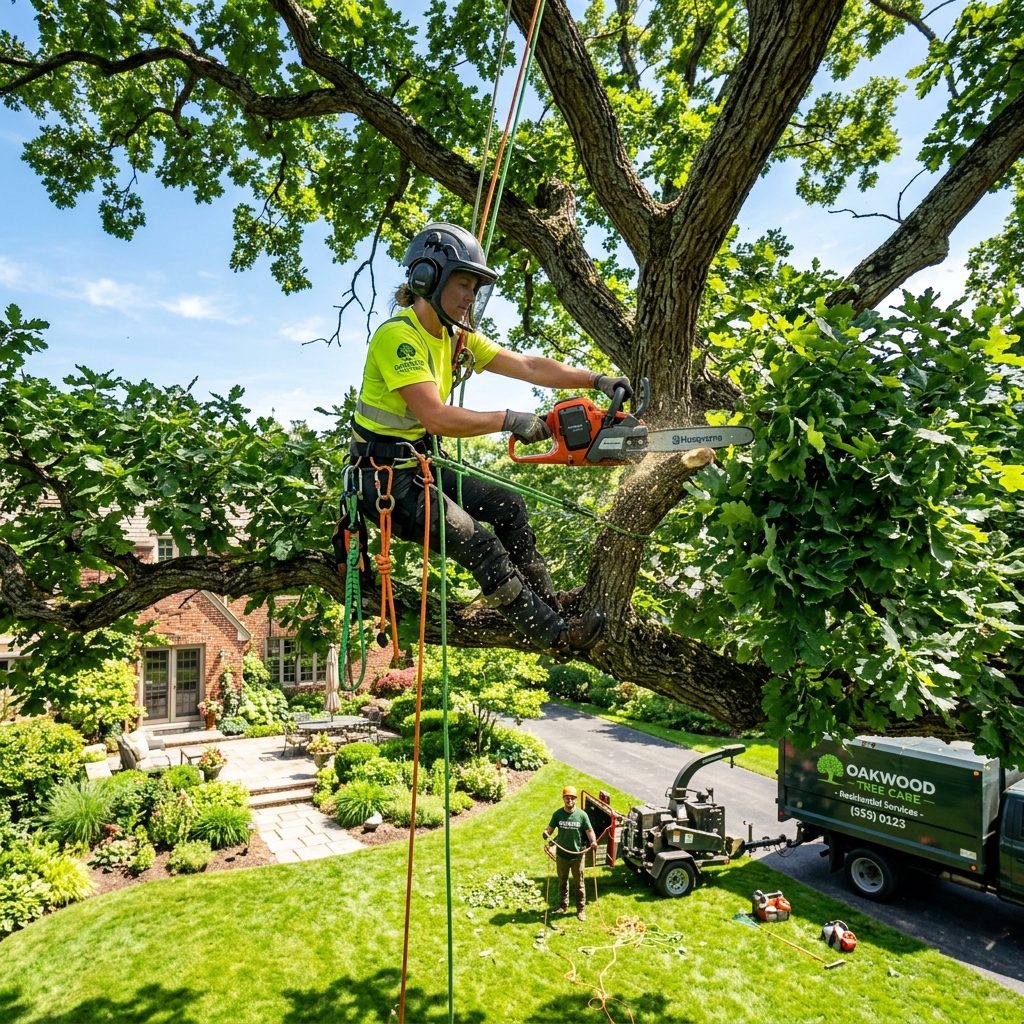
Don't Wait: Early Warning Signs Your Tampa Tree Needs Professional Help
Identifying early warning signs of tree distress is crucial for preventing costly damage and preserving the health of your landscape in Tampa, FL. Look for sudden leaf discoloration, unusual growths, extensive dead branches, or leaning trunks as immediate indicators that professional arborist intervention from Tampa Tree Care Specialists is required to diagnose and address potential issues before they escalate.
As a homeowner or property manager in Tampa, your trees contribute significantly to your property's aesthetic appeal, shade, and even its value. However, just like any living organism, trees can fall victim to diseases, pests, and environmental stress. Ignoring the initial indicators of tree problems can lead to devastating consequences, including costly removals, property damage, or even a complete loss of the tree. Recognizing these early signs can save you time, money, and the heartache of losing a cherished part of your landscape. At Tampa Tree Care Specialists, we equip you with the knowledge to be proactive about your tree's health.
What are the key visual indicators of an unhealthy tree in Tampa?
Observing your trees regularly is the first step in maintaining their health. In Tampa’s unique climate, certain visual cues are particularly common and should never be ignored. Here's what to look for:
- Unusual Leaf Discoloration or Wilting: While seasonal changes cause leaves to change color, sudden yellowing, browning, or wilting outside of typical fall cycles can signal issues like nutrient deficiencies, root damage, or fungal infections. Look for spotting or strange patterns on the leaves as well.
- Premature Leaf Drop: If your tree is shedding leaves excessively before its time, it could be under severe stress from drought, disease, or pest infestations.
- Sudden Branch Dieback: Dead branches or twigs that appear suddenly, especially if they are numerous or on one side of the tree, indicate a problem. This can be caused by disease, pests, or structural damage limiting nutrient flow.
- Bark Changes: Inspect the bark for peeling, cracking, lesions, cankers, or unusual growths. Excessive sap leakage, particularly with discoloration, can also be a sign of internal distress or pest activity.
- Fungal Growths (Mushrooms/Conks): The presence of mushrooms or shelf-like fungi growing on the trunk or at the base of your tree is a strong indicator of internal decay. These fungi often feed on decaying wood, suggesting the tree's structural integrity may be compromised.
- Pest Infestation Evidence: Look for holes in the bark, sawdust-like frass around the base, webbing on branches, or visible insect colonies. Specific pests common in Florida, like Ambrosia beetles or scale insects, leave distinct marks.
- Leaning or Root Exposure: A tree that suddenly starts leaning, or exhibits significant root exposure/uprooting around its base, is a critical structural hazard and requires immediate professional assessment.
How do Tampa's unique climate and pests impact tree health?
Tampa's subtropical climate, characterized by high humidity, abundant rainfall during the wet season, and warm temperatures year-round, creates a specific set of challenges for tree health. These conditions foster an environment where certain diseases and pests thrive, making vigilance even more important.
- Humidity and Fungal Diseases: The high humidity levels are a breeding ground for various fungal diseases, such as powdery mildew, leaf spot, and root rot. These can rapidly spread and weaken a tree if not addressed promptly. Root rot, in particular, is a silent killer, often going unnoticed until the tree shows significant decline.
- Soil Conditions and Water Retention: Our sandy soils, while offering good drainage in some areas, can also be prone to nutrient leaching. Conversely, clay-heavy areas can lead to waterlogging, contributing to root issues. Understanding your specific soil type is crucial for proper tree care. For residents in Apollo Beach facing similar climate challenges, our team offers tailored advice.
- Local Pest Activity: Tampa is home to numerous tree pests that can cause significant damage. These include:
- Ambrosia Beetles: These tiny beetles bore into tree trunks, introducing fungi that further damage the tree's vascular system. Look for toothpick-like sawdust tubes protruding from the bark.
- Scale Insects: Often appearing as small bumps on stems and leaves, scale insects suck sap from the tree, leading to yellowing leaves, stunted growth, and dieback.
- Gall Wasps: These insects cause abnormal growths (galls) on leaves, twigs, or branches, which, while often cosmetic, can sometimes impact tree health.
- Storm Season Stress: The annual hurricane and storm season puts immense stress on trees. Weakened or unhealthy trees are far more susceptible to damage from high winds and heavy rains, often leading to snapped limbs or uprooting.
When should I contact a professional arborist for tree concerns?
While some minor issues might resolve on their own, many tree problems in Tampa require the expertise of a certified arborist. Knowing when to call a professional can prevent small issues from becoming irreversible or dangerous situations.
- When you observe any of the critical visual indicators: If you spot significant leaf discoloration, extensive dead branches, fungal growths, or a leaning trunk, don't delay. These are red flags.
- After a significant storm: Even if your tree appears fine, a professional assessment can identify hidden damage, such as hairline cracks or compromised root systems, that could lead to future hazards.
- If a tree is near structures or utility lines: Any signs of distress on a tree close to your home, business, or power lines warrant immediate professional attention. A falling limb or tree can cause catastrophic damage.
- Before construction or landscaping projects: If you're planning any work near trees, an arborist can provide guidance on root protection and tree preservation to avoid accidental damage.
- For new tree planting or advanced pruning: Ensuring new trees are planted correctly or that mature trees receive proper structural pruning requires expert knowledge to promote long-term health and safety. Even in bustling areas like Downtown Tampa, proactive tree care is essential for urban landscapes.
- You're unsure of the problem: If you suspect something is wrong but can't identify it, an arborist's diagnostic skills are invaluable. They can accurately assess the situation and recommend the right course of action.
What happens during a professional tree health assessment?
When you call Tampa Tree Care Specialists, you're engaging a team of experienced and certified arborists dedicated to the health and safety of your trees. Here's what you can expect during a professional tree health assessment:
- Initial Consultation & Site Visit: Our arborist will schedule a visit to your Tampa property to observe the tree(s) in question and discuss your concerns. We'll ask about the tree's history, recent environmental changes, and any specific symptoms you've noticed.
- Thorough Visual Inspection: The arborist will conduct a comprehensive visual inspection of the entire tree, from the root collar to the uppermost branches. This includes examining:
- Foliage: For color, density, leaf size, and signs of disease or pest damage.
- Branches and Twigs: For dieback, cankers, unusual growths, and structural integrity.
- Trunk: For cracks, cavities, fungal growths, insect holes, and signs of decay.
- Root Collar & Soil: For girdling roots, root damage, signs of root rot, and soil compaction.
- Diagnostic Testing (If Necessary): Depending on the initial findings, the arborist may recommend further diagnostic tests. These could include:
- Soil Analysis: To determine nutrient levels, pH, and potential contaminants.
- Tissue Sampling: To identify specific diseases or nutrient deficiencies.
- Pest Identification: Collection of samples for accurate identification of insect species.
- Resistograph or Sonic Tomography: Advanced tools used to detect internal decay without harming the tree.
- Diagnosis and Treatment Plan: Based on the assessment, our arborist will provide a clear diagnosis of the tree's condition and present a detailed, customized treatment plan. This plan might include:
- Pruning: Removal of dead, diseased, or hazardous branches.
- Pest and Disease Management: Targeted treatments, including biological controls or appropriate pesticides/fungicides.
- Nutrient Management: Soil amendments, fertilization, or root collar excavation.
- Cabling and Bracing: To provide structural support for weak limbs or trunks.
- Tree Removal: If the tree is beyond saving, poses an unacceptable risk, or conflicts with property development.
- Risk Assessment: Alongside the health assessment, our arborists also evaluate the tree's potential risks to property, people, or other landscape elements, especially crucial in hurricane-prone Tampa.
Don't wait until it's too late. Your trees are a valuable asset, and early intervention is key to preserving their health and beauty. If you've noticed any of the warning signs discussed, or if you simply want a professional opinion on the well-being of your landscape, contact Tampa Tree Care Specialists today. Our certified arborists are ready to provide expert diagnosis and effective solutions to keep your trees thriving and your property safe. Call us for a comprehensive tree health assessment in Tampa, FL!
Need Professional Assistance?
Get a free, no-obligation estimate from our expert local team today.