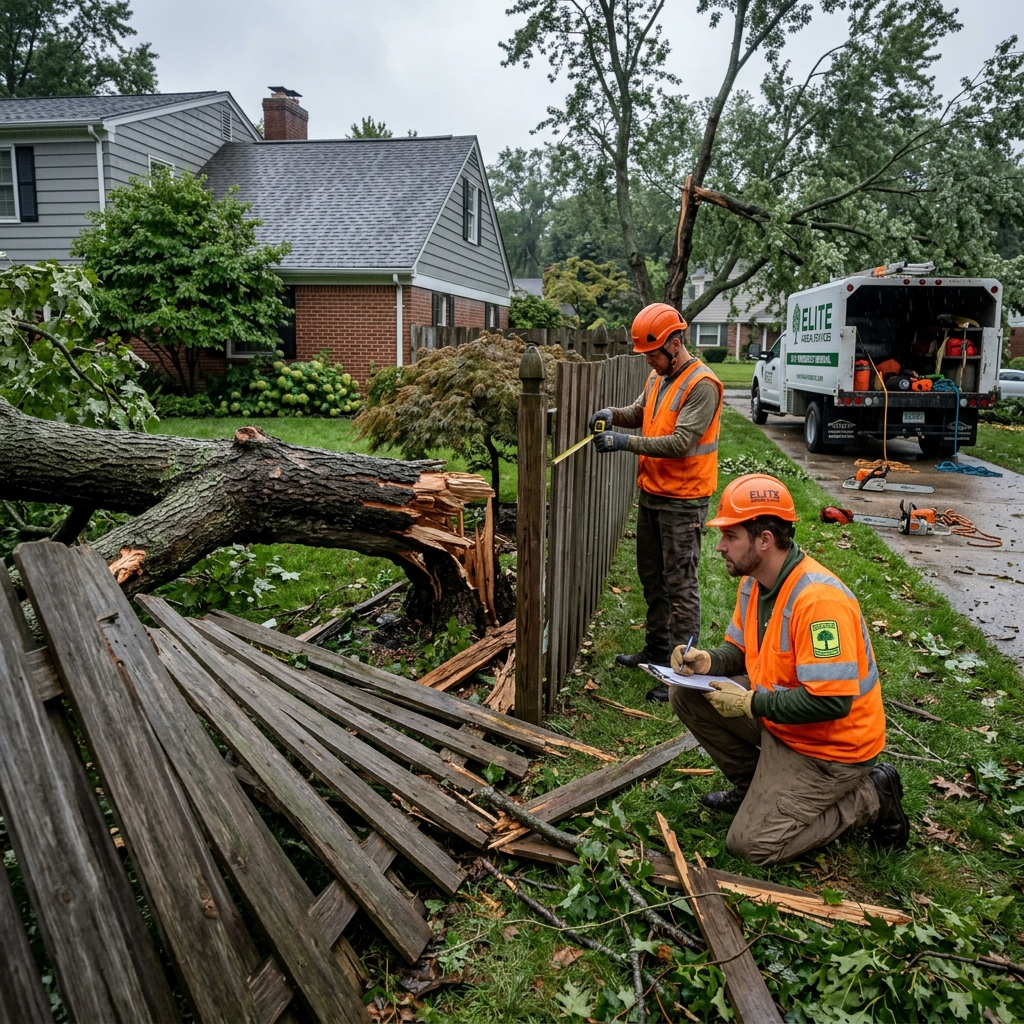
How to Spot Dangerous Trees in Tampa, FL & Why Urgent Professional Care is Crucial
Identifying a hazardous tree in Tampa, FL, is critical for preventing property damage and ensuring safety. Look for dead branches, significant leaning, trunk cracks, decay, fungal growth, or root damage. Prompt assessment by certified arborists like Tampa Tree Care Specialists is essential to mitigate risks, especially during Florida's severe weather seasons. Early detection and expert intervention can save your home and loved ones from potential harm.
What are the Common Signs of a Hazardous Tree in Tampa's Climate?
Living in the Tampa Bay area offers beautiful lush landscapes, but it also brings unique challenges to tree health. High humidity, sandy soils, and frequent storm activity can all contribute to tree stress and hazardous conditions. Recognizing the early warning signs of a dangerous tree is your first line of defense against costly damage or injury. Here are the critical indicators we look for:
- Significant Leaning: While some trees naturally grow with a slight lean, a sudden or pronounced lean (especially after a storm or recent ground disturbance) is a major red flag. This can indicate root damage, soil instability, or a weak trunk structure. If the lean progresses over time, the tree's stability is compromised.
- Large Dead Branches or Tops: Deadwood is brittle and prone to breaking, especially in strong winds. Large dead branches hanging over structures, driveways, or play areas pose an immediate threat. A tree with a significant portion of its canopy dead often indicates severe internal issues or disease.
- Deep Cracks or Splits in the Trunk: Vertical or horizontal cracks, particularly those extending deep into the wood, signify structural weakness. These can be caused by improper pruning cuts, previous storm damage, or internal decay. A split trunk can fail catastrophically during high winds.
- Extensive Decay or Cavities: Look for soft, spongy wood, large holes, or visible decay fungi (mushrooms or conks) on the trunk or major branches. These indicate internal rot that weakens the tree's core. Decay can progress unseen for years before a tree suddenly fails.
- Root Damage or Heaving: Roots are a tree's anchor. Construction, trenching, or even severe storms can damage the root system. Signs include heaving soil around the base, exposed or girdling roots, or the presence of fungal growth near the root collar. A compromised root system means the tree can no longer securely support itself.
- Weak Branch Unions: Branches that grow too close together or form a narrow 'V' shape are structurally weaker than those with wider 'U' shapes. These included bark unions can trap moisture and allow decay, making them highly susceptible to splitting in wind.
- Pest Infestation or Disease Symptoms: Unusual leaf discoloration, premature leaf drop, stunted growth, or visible insect borers can all be symptoms of underlying health problems that weaken a tree, making it more prone to failure.
Why are Hazardous Trees a Specific Concern in Tampa, FL?
Tampa's unique geographical and meteorological conditions elevate the risk associated with hazardous trees. It's not just about what signs to look for; it's also about understanding the environmental factors that exacerbate these issues:
- Hurricane Season and High Winds: From June 1st to November 30th, Florida is susceptible to tropical storms and hurricanes. Even lesser wind events can turn a marginally stable tree into a falling hazard. Trees already weakened by disease or structural defects are prime candidates for failure during these severe weather systems, threatening homes, vehicles, and power lines.
- Soil Conditions and Root Stability: Tampa's sandy soils, while offering good drainage, can sometimes provide less structural support for large trees compared to denser clay soils. Heavy rains can saturate the ground, reducing root anchorage and increasing the likelihood of uprooting, especially for shallow-rooted species or those with root damage.
- Subtropical Pests and Diseases: Our warm, humid climate is a breeding ground for various tree pests and diseases. Laurel Wilt, Ganoderma Root Rot, and various borers are just a few examples that can severely compromise a tree's integrity from the inside out, often without obvious external signs until the damage is extensive. Regular inspections are crucial to catch these issues early.
- Proximity to Property: In urban and suburban areas like Palma Ceia or North Tampa, trees often grow in close proximity to homes, businesses, and overhead utility lines. A failing tree in these densely populated areas carries a much higher risk of property damage or power outages, making prompt mitigation absolutely critical.
What Happens During a Professional Hazardous Tree Assessment?
When you suspect a tree on your property is hazardous, the best course of action is to call a certified arborist. At Tampa Tree Care Specialists, our approach to assessing tree risk is thorough and scientific, ensuring the most accurate and reliable recommendations.
Our process typically involves:
- Initial Visual Inspection: Our arborists will conduct a comprehensive visual assessment of the tree from the ground up. This includes examining the canopy for deadwood, the trunk for cracks, decay, or unusual growths, and the base for root issues or soil heaving. We'll also consider the tree's species, age, and growth habits.
- Risk Factor Evaluation: We evaluate several factors to determine the level of risk a tree poses:
- Likelihood of Failure: How likely is it that the tree or a part of it will fail? This is based on visible defects and environmental stressors.
- Size of Part that May Fail: The larger the failing part, the greater the potential damage.
- Target Assessment: What could be hit if the tree fails? This includes homes, cars, power lines, fences, and areas where people frequent.
- Consequences of Failure: What would be the severity of damage or injury if the tree fails?
- Advanced Diagnostic Tools (if necessary): For complex cases or internal decay, we may use specialized tools such as Resistographs (to measure wood density and detect internal decay), increment borers, or aerial inspections to get a complete picture of the tree's health and structural integrity.
- Detailed Report and Recommendations: Following the assessment, you'll receive a detailed report outlining our findings, the assessed risk level, and clear recommendations. These recommendations might include:
- Pruning: Removing dead, diseased, or weakly attached branches to reduce risk and improve tree health.
- Cabling or Bracing: Installing support systems to strengthen weak limbs or trunks.
- Monitoring: If the risk is low, we may recommend regular monitoring.
- Tree Removal: For high-risk trees that cannot be safely mitigated, removal is often the safest option to protect people and property.
Repair or Remove? Understanding Your Options & Costs in Tampa.
Deciding whether to prune, support, or remove a hazardous tree is a significant decision. Our certified arborists prioritize saving healthy trees whenever possible, but safety is always paramount. Factors influencing this decision, and the associated costs, are tailored to each specific situation in Tampa.
Factors Influencing the Decision:
- Tree Health and Vigor: Can the tree recover from its ailment with appropriate care? A tree with extensive decay or root damage is less likely to be salvageable than one with a few weak branches.
- Species and Age: Some tree species are more resilient than others. The age of the tree can also influence its ability to recover from severe issues.
- Location and Targets: A hazardous tree far from any structures or frequently used areas might be monitored, while the same tree over your home would likely require immediate removal.
- Cost-Benefit Analysis: Sometimes, the cost of extensive cabling, bracing, and ongoing maintenance for a severely compromised tree can outweigh the cost of removal and replanting a new, healthy specimen.
Understanding Cost Considerations:
The cost of addressing a hazardous tree in Tampa varies widely depending on several factors:
- Tree Size: Taller and wider trees require more equipment, manpower, and time.
- Location and Accessibility: Trees in tight spaces, near power lines, or those requiring special access (e.g., crane service) will be more expensive to service.
- Severity of Hazard: A tree that is already partially fallen or leaning precariously requires more intricate and dangerous work, driving up costs due to increased risk and specialized techniques.
- Type of Service: Pruning or cabling is generally less expensive than full tree removal. Stump grinding, if desired, is an additional cost.
- Emergency vs. Scheduled Service: Emergency services (e.g., after a storm) often come at a premium due to the urgency and off-hours work involved.
At Tampa Tree Care Specialists, we provide transparent, detailed estimates after our assessment. We believe in educating our clients so you can make informed decisions that protect your property and investment.
Don't Wait for a Crisis: Act Proactively for Tree Safety in Tampa
Proactive tree care is the best defense against hazardous situations. Regularly inspecting your trees and calling in professionals at the first sign of trouble can prevent minor issues from escalating into major emergencies, especially with Tampa's unpredictable weather patterns.
Protect your home, your family, and your investment by ensuring the trees on your property are healthy and stable. If you notice any of the warning signs discussed, or if you're simply unsure about the health of a tree, don't hesitate.
Contact Tampa Tree Care Specialists today for a professional hazardous tree assessment. Our certified arborists are ready to provide expert advice and reliable solutions to keep your Tampa property safe and beautiful. Call us for a consultation!
Need Professional Assistance?
Get a free, no-obligation estimate from our expert local team today.