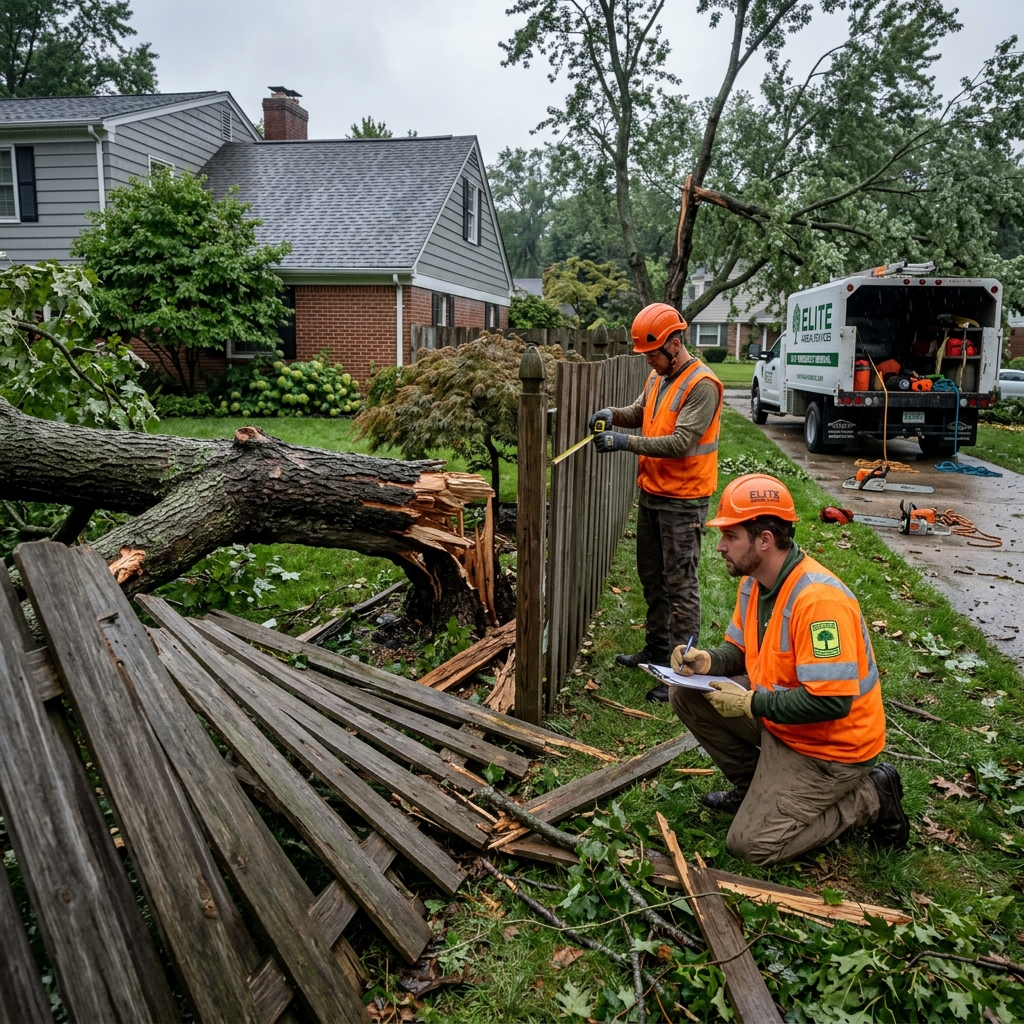
Danger Lurks: Identifying & Addressing Hazardous Trees in Tampa, FL
What Are the Immediate Signs of a Hazardous Tree in Tampa?
Identifying a hazardous tree isn't always straightforward, but knowing the key indicators can be the difference between proactive safety and emergency disaster response. In Tampa, our unique climate—marked by intense humidity, frequent storms, and specific pest pressures—can accelerate tree decline. Here are the crucial signs that demand your immediate attention:
- Severe Lean or Uneven Growth: While some trees naturally grow with a slight lean, a sudden, noticeable shift in a tree's posture or an extreme lean (more than 15 degrees) can indicate root damage, soil instability, or structural failure. If you see soil heaving around the base on the opposite side of the lean, it's a critical sign the root system is failing.
- Large Cracks or Splits: Vertical cracks along the trunk or major limbs, especially those that appear deep or expand over time, suggest a significant structural weakness. These can compromise the tree's integrity, making it susceptible to snapping during high winds or heavy rain. Look for cracks extending into the wood, not just the bark.
- Extensive Decay or Fungi Growth: Mushrooms or conks (shelf fungi) growing on the trunk, at the base, or along branches are tell-tale signs of internal decay. Decay weakens the wood, turning a solid tree into a hollow shell. Soft, crumbly wood when poked, or areas where bark is missing, revealing rotted wood, are also red flags.
- Hanging or Dead Branches (Widowmakers): Any large branch that is broken but still lodged in the tree's canopy poses an immediate threat. These 'widowmakers' can fall unexpectedly, causing serious injury or property damage. Similarly, numerous dead branches throughout the canopy indicate poor tree health and potential for failure.
- Cankers or Open Wounds: Cankers are localized dead areas on the bark, often sunken or discolored. Large or multiple cankers can indicate disease that is weakening the tree's structure. Large open wounds where bark has been stripped away expose the inner wood to pests and diseases, accelerating decay.
- Weak Branch Unions: Look for branches that are growing too close together, forming a 'V' shape rather than a strong 'U' shape where they attach to the trunk. These weak unions are prone to splitting, especially under stress from wind or the weight of foliage.
- Pest Infestation: While not all pests are immediately hazardous, some, like certain borers or termites prevalent in Florida, can severely compromise a tree's structural integrity over time. Excessive sawdust, exit holes, or tunnels under the bark warrant investigation.
Why Act Quickly? The Risks of Neglecting a Dangerous Tree in Florida
Ignoring the warning signs of a hazardous tree, particularly in a region like Tampa, FL, with its intense weather patterns, is a gamble with potentially devastating consequences. The risks extend far beyond a simple inconvenience:
- Catastrophic Property Damage: A falling tree or large limb can crush cars, destroy roofs, fences, and utility lines, leading to costly repairs and significant inconvenience. During hurricane season, these risks are exponentially higher.
- Serious Personal Injury or Loss of Life: The most severe risk is to human safety. A falling tree can cause severe injury or even be fatal to anyone in its path. This is especially true for 'widowmakers' or trees in high-traffic areas.
- Increased Liability: If your hazardous tree causes damage to a neighbor's property or injures someone, you could be held liable. Proactive tree maintenance is crucial for homeowners' insurance purposes and to avoid legal battles.
- Escalating Removal Costs: Emergency tree removal, especially after a storm, is significantly more expensive than a planned service. Difficult access due to fallen debris, or working around damaged structures and power lines, adds complexity and cost.
- Impact on Surrounding Trees: A diseased or pest-ridden tree can spread its ailments to healthy trees nearby, compromising the health and safety of your entire landscape. This urgency is not limited to Tampa; communities across the region, including Plant City, face similar risks when hazardous trees are ignored.
How Do Professionals Assess Tree Hazards in Tampa, FL?
When you suspect a tree is hazardous, calling a certified arborist from Tampa Tree Care Specialists is your best course of action. Our professionals use a systematic approach to evaluate a tree's health and structural integrity:
- Visual Tree Assessment (VTA): This is the initial, comprehensive inspection of the entire tree, from the root collar to the canopy. Arborists look for all the signs mentioned above, noting the location and severity of defects.
- Risk Assessment Protocol: Arborists evaluate three key factors: the likelihood of failure (how likely is the part to fail?), the size of the part (how big is the part that could fail?), and the target zone (what or who is beneath the tree?). This helps quantify the risk level.
- Internal Decay Detection: For hidden decay, arborists may use specialized tools like sounding mallets (to detect hollow spots) or resistographs (which drill a tiny, non-damaging probe into the trunk to measure wood density).
- Root System Inspection: The health of the root system is paramount. Arborists look for signs of root rot, girdling roots, or roots damaged by construction or soil compaction.
- Environmental Factors: Local soil conditions, prevailing winds, recent construction, and drought stress are all considered as they can contribute to tree instability in the Tampa area.
- Arborist Report & Recommendations: After assessment, a detailed report is provided, outlining findings, the assessed risk level, and recommendations for mitigation, which could include pruning, cabling, bracing, or complete removal.
What Factors Influence the Cost of Emergency Tree Services in Tampa?
The cost of addressing a hazardous tree can vary widely. Several factors specific to the situation and the Tampa market influence the final price:
- Tree Size: Taller and wider trees require more equipment, more time, and specialized skills to remove safely. The volume of debris also increases with tree size.
- Location and Accessibility: Trees in hard-to-reach areas, close to homes, power lines, or fences, or on steep slopes, demand greater precision and safety measures, often requiring bucket trucks, cranes, or specialized rigging, which adds to the cost.
- Severity of Hazard: An already fallen tree is often easier (and thus cheaper) to remove than a partially fallen, unstable tree requiring complex structural dismantling. Trees leaning precariously or entangled in power lines present the highest risk and cost.
- Type of Service: Simple deadwood removal or pruning of a few branches is less costly than complete tree removal. Stump grinding is usually an additional service.
- Emergency vs. Planned Service: Emergency call-outs, especially after-hours or during storm events, typically incur higher fees due to immediate response, increased risk, and overtime for crews.
- Debris Removal & Hauling: The cost of chipping, hauling away, and disposing of the tree debris is a significant component of the overall service price.
- Permits: In Tampa and surrounding areas, tree removal may require permits, especially for protected trees. The cost of obtaining these permits is usually passed on to the homeowner.
Preventative Measures: Keeping Your Tampa Trees Safe Year-Round
While emergencies happen, many hazardous tree situations can be prevented through proactive care and maintenance. Investing in preventative measures is often more cost-effective and certainly safer than reacting to a crisis:
- Regular Professional Pruning: Routine pruning removes dead, diseased, or weak branches, improves tree structure, and reduces wind resistance, making the tree more resilient to storms. Professional arborists know how to prune without stressing the tree.
- Annual Tree Health Inspections: Schedule at least one annual inspection by a certified arborist. They can spot early signs of disease, pests, or structural issues before they become critical. For expert advice on maintaining robust tree health throughout Tampa, and even extending to areas like Ybor City, regular inspections are key.
- Proper Watering and Fertilization: Healthy trees are more resistant to pests, diseases, and environmental stress. Ensure your trees receive adequate water, especially during dry spells, and use appropriate fertilization to support their vitality.
- Pest and Disease Management: Be aware of common tree pests and diseases in Florida. Early detection and treatment by an arborist can save a tree that would otherwise become hazardous.
- Storm Preparedness: Before hurricane season, have your trees assessed and pruned to remove any weak limbs or potential targets. This proactive step can significantly reduce damage during severe weather.
- Avoid Root Damage: Be mindful of your tree's root zone. Avoid digging, compacting soil, or heavy construction equipment near the tree's base, as root damage can lead to instability.
Don't wait for a storm to bring a hazardous tree to your attention. If you observe any of the warning signs, or simply want peace of mind, contact Tampa Tree Care Specialists today. Our certified arborists are here to provide expert assessment, professional recommendations, and safe, efficient tree services to protect your property and ensure the health and safety of your landscape in Tampa, FL.
Need Professional Assistance?
Get a free, no-obligation estimate from our expert local team today.