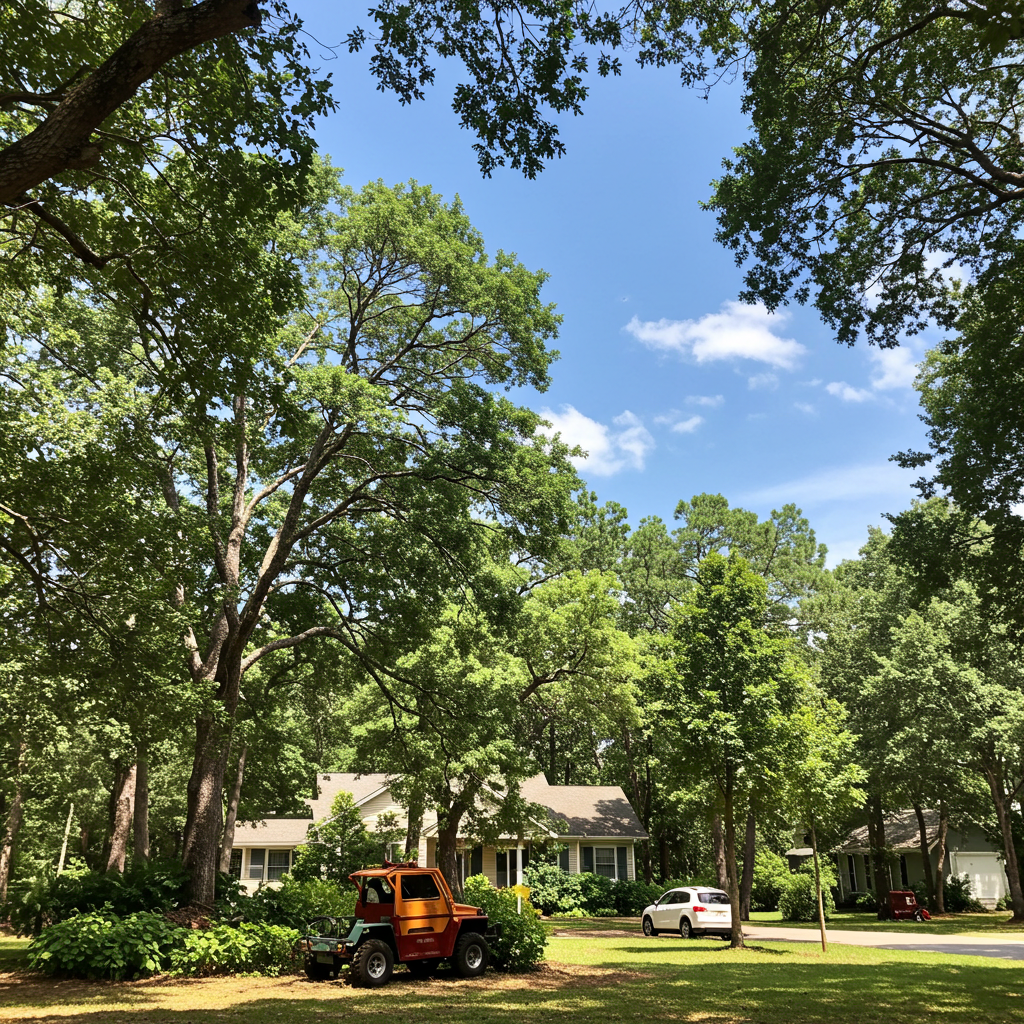
Hidden Tree Dangers in Tampa: A Homeowner's Guide to Prevention
Tampa's lush landscape, while beautiful, requires vigilant care to ensure the safety and longevity of its trees. Tropical storms, high humidity, and prevalent pests can turn seemingly healthy trees into hidden hazards overnight. For homeowners, understanding what to look for beyond the obvious dead branch can mean the difference between proactive prevention and costly emergency repairs. This guide empowers you to become your property's first line of defense against unseen tree threats.
What subtle signs indicate a tree is a hidden hazard in Tampa?
Many tree problems begin subtly, often overlooked until they escalate. In Tampa, where trees are constantly exposed to environmental stressors, these early warnings are critical. Recognizing them can save your home from potential damage and your family from risk.
- Leaning or Asymmetrical Growth: While some trees naturally lean, a sudden or increasing lean, especially after heavy rains or high winds, is a significant red flag. It often indicates root instability or decay at the base. Uneven canopy growth can also suggest an underlying issue affecting one side of the tree.
- Bark Anomalies: Keep an eye out for deep cracks, peeling, missing bark patches, or unusual swelling. Vertical cracks can indicate internal stress or structural weaknesses, while cankers (sunken, discolored lesions) suggest disease. Fungi growing on the bark, particularly shelf-like mushrooms (conks), are a strong indicator of internal decay, as they are the fruiting bodies of wood-rotting organisms.
- Unusual Leaf Changes: Beyond typical seasonal leaf drop, watch for premature yellowing (chlorosis), wilting, stunted growth, or unusually small leaves. These can signal nutrient deficiencies, root problems, disease, or pest infestation, all of which compromise tree health and stability.
- Deadwood Within the Canopy: Even small dead branches in the upper canopy can be problematic. They can fall unexpectedly, especially during storms, and indicate that the tree is struggling to support its full structure or is experiencing disease.
- Excessive Sap or Resin Flow: While some sap is normal, excessive or discolored sap, particularly from the trunk or larger branches, can be a sign of pest attack (like borers) or disease. This can weaken the tree's vascular system.
- Sawdust or Frass: The presence of fine sawdust-like material (frass) around the base of the tree or on branches is a tell-tale sign of boring insects, which tunnel into the wood and compromise structural integrity.
Regularly walking around your property and observing your trees from different angles can help you spot these less obvious signs. Early detection is key to effective intervention and preventing minor issues from becoming major hazards.
How do pests and diseases silently threaten Tampa trees?
Tampa's warm, humid climate creates an ideal breeding ground for a variety of tree pests and diseases that can silently wreak havoc. These biological threats often work from the inside out, making them difficult to detect until significant damage has occurred.
- Root Rot: One of the most insidious threats, root rot is often caused by various fungi thriving in poorly drained soils common in parts of Tampa. It attacks the roots, leading to a decline in tree health and structural stability without visible signs above ground until the tree is severely compromised. Symptoms might include a general decline, wilting, and thinning canopy.
- Fungal Diseases: Beyond root rot, other fungal infections like Ganoderma butt rot (common in palms), leaf spots, and cankers can severely weaken trees. Ganoderma, for instance, decays the lower trunk, making palms susceptible to snapping, especially in high winds. Cankers can girdle branches or trunks, cutting off nutrient flow.
- Boring Insects: Pests like ambrosia beetles, bark beetles, and longhorn beetles tunnel into the cambium and heartwood of trees. Their activity disrupts the tree's ability to transport water and nutrients, and severe infestations can lead to structural failure. The only visible signs might be small holes, frass, or sap oozing from the entry points.
- Scale Insects and Aphids: While smaller, widespread infestations of these sap-sucking insects can stress trees, making them more vulnerable to other diseases and environmental pressures. They can cause leaf discoloration, stunted growth, and sticky "honeydew" residue, often leading to sooty mold growth.
Because these issues often hide beneath the bark or within the root system, a professional Tampa tree health assessment is often necessary to diagnose and treat them effectively. Ignoring these silent threats can lead to unexpected tree failures, especially during severe weather events.
What structural issues can make a Tampa tree dangerous?
Beyond diseases and pests, inherent structural weaknesses can predispose a tree to failure, particularly when faced with Tampa's strong winds and heavy rainfall. These issues often develop over years and can be challenging for an untrained eye to identify.
- Codominant Stems (V-Shaped Crotches): When two or more stems of equal size grow from a single point, they often form a weak, V-shaped attachment. Unlike U-shaped crotches which are strong, V-shaped unions often include embedded bark, preventing proper wood formation and creating a high-stress point prone to splitting, especially in storms.
- Trunk Decay and Cavities: Internal decay caused by fungi or past wounds can hollow out a tree's trunk or major branches, significantly reducing its structural integrity. While a small hole might seem innocuous, it can hide extensive internal rot. A thorough inspection, sometimes requiring specialized tools, is needed to assess the extent of the decay.
- Girdling Roots: Roots that grow in a circular pattern around the base of the trunk or other roots can choke off the tree's vascular system, preventing water and nutrient uptake. This can weaken the tree, stunt its growth, and eventually lead to decline and instability. Signs might include a flattened trunk side or poor crown development.
- Soil Compaction and Root Damage: Construction, heavy foot traffic, or vehicle movement can compact soil around a tree's base, suffocating roots and hindering water absorption. Similarly, excavation or trenching can sever critical roots, destabilizing the tree and making it vulnerable to windthrow.
- Improper Pruning Cuts: Old, improperly made pruning cuts can create entry points for disease and decay, leading to weak points in branches. "Topping" a tree (severe reduction of its main limbs) can also lead to weak, watersprout growth that is poorly attached and prone to breaking.
Identifying these structural weaknesses requires a keen eye and understanding of tree biomechanics. A certified arborist can accurately assess these risks and recommend appropriate tree trimming Tampa techniques or cabling/bracing solutions to mitigate them.
When should a Tampa homeowner call a professional tree service for hidden dangers?
While homeowners can perform basic checks, the complexities of tree biology and structural mechanics often require expert assessment. Knowing when to call in the professionals is crucial for safety and effective tree care.
- When in Doubt: If you observe any of the subtle signs mentioned above and are unsure of their severity, it's always best to err on the side of caution. A professional assessment can provide peace of mind or identify necessary interventions.
- After Severe Weather: Following hurricanes or strong thunderstorms, even seemingly intact trees can suffer internal damage or develop weaknesses not immediately apparent. A post-storm inspection can uncover hidden hazards before they cause further issues.
- For Large or Mature Trees: Older, larger trees have significant weight and leverage, making their failure far more destructive. Regular inspections by a certified arborist are especially important for these majestic but potentially hazardous giants.
- Trees Near Structures or Utilities: Any tree that could impact your home, garage, fences, power lines, or neighboring properties if it were to fail requires professional scrutiny. The risk of damage or injury is too high to take chances.
- Before Construction or Landscaping Changes: Any significant work near trees can impact their root systems. An arborist can advise on tree protection strategies to prevent root damage and subsequent decline.
Don't wait for a tree to show obvious signs of distress or failure. Proactive assessment and care are the most effective ways to manage tree hazards. If you suspect hidden dangers in your Tampa trees, the expert team at Tampa Tree Care Specialists is ready to help. Our certified arborists can perform comprehensive hazard assessments, diagnose underlying issues, and provide expert tree removal Tampa or tree trimming Tampa services to ensure your property remains safe and beautiful. Contact us today for a professional evaluation and protect your investment.
Need Professional Assistance?
Get a free, no-obligation estimate from our expert local team today.