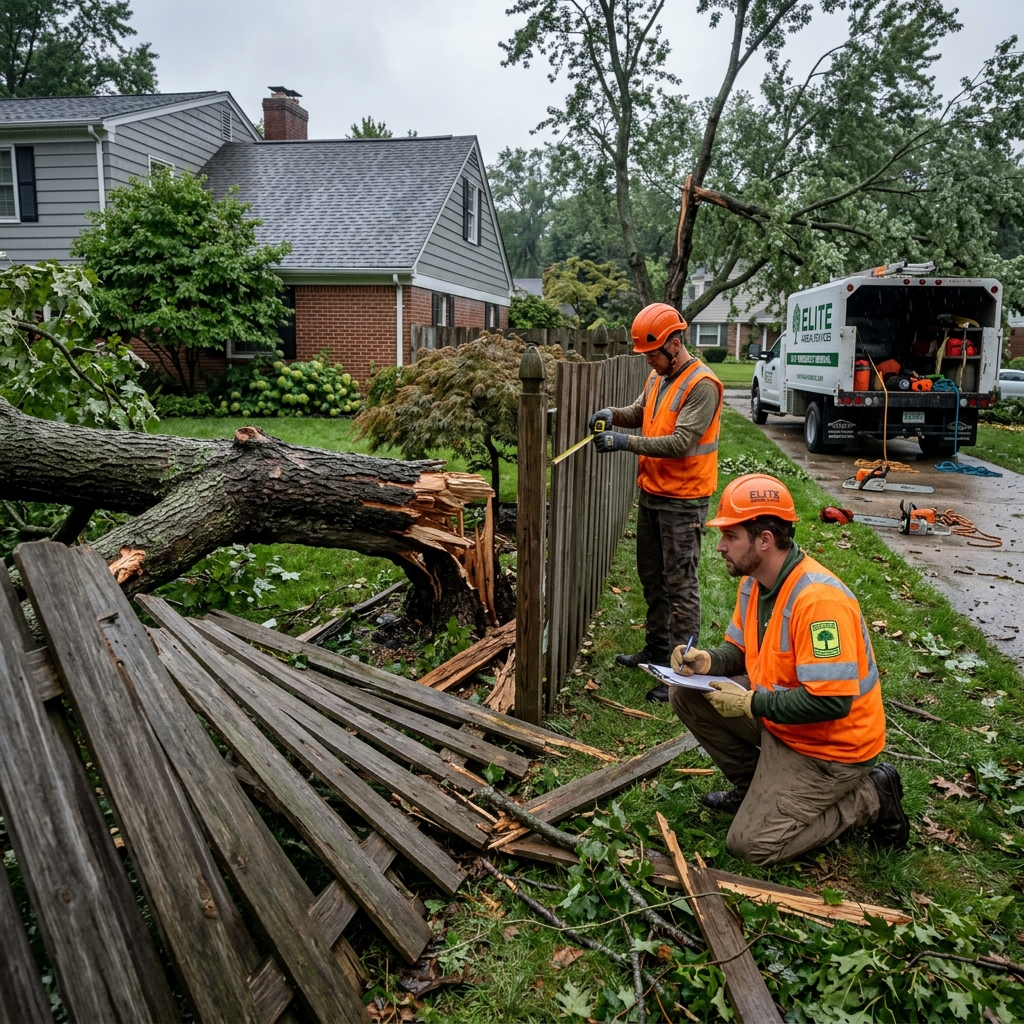
Hidden Tree Hazards in Tampa: Spotting Danger Before It Falls
Identifying potential tree hazards early is crucial for safety and property protection in Tampa. If you observe severe leaning, large cracks in the trunk or major limbs, extensive decay, sudden limb drops, or signs of pest infestation compromising structural integrity, immediate professional assessment by certified arborists is essential to prevent unexpected failures and mitigate risks.
As Tampa residents, we often take our beautiful mature trees for granted. They provide shade, enhance curb appeal, and contribute to our vibrant ecosystem. However, even the most majestic trees can develop hidden dangers that pose significant risks to your property, family, and even passersby. From the relentless Florida sun to severe storm seasons, trees in our region face unique stressors that can lead to structural weaknesses or disease. Knowing what to look for and when to call a professional can prevent a minor issue from escalating into a catastrophic emergency.
The Silent Threats: Why Tampa Trees Can Be Unpredictable Hazards
Tampa's climate, while beautiful, presents specific challenges for tree health and stability. High humidity, intense heat, and the constant threat of tropical storms and hurricanes put immense pressure on urban trees. These environmental factors can exacerbate existing issues or create new ones:
- Storm Damage: High winds and heavy rains can weaken root systems, snap branches, or even uproot entire trees, sometimes with little visible warning beforehand.
- Pest Infestations: Insects like ambrosia beetles, bark beetles, and termites can silently tunnel through a tree's cambium layer and heartwood, compromising its structural integrity from the inside out. Signs can be subtle, such as small entry/exit holes or sawdust-like frass.
- Fungal Diseases: The warm, humid climate is a breeding ground for various fungi that cause root rot, cankers, and wood decay. These diseases often manifest internally before external symptoms become obvious, making early detection by an untrained eye difficult.
- Soil Conditions & Root Issues: Compacted urban soils, construction damage, or nutrient deficiencies can stunt root growth or cause root girdling, leading to instability and a decline in overall tree health.
Understanding these underlying stressors is the first step in appreciating the need for vigilance and professional tree care.
Critical Signs Your Tampa Tree Needs Immediate Attention
Being proactive about tree hazards involves knowing the key indicators of distress or structural compromise. Here are the critical signs that warrant an immediate call to a certified arborist:
- Severe Leaning: A tree that suddenly or significantly changes its lean, especially after a storm, is a major red flag. Look for soil heaving or cracking around the base on the opposite side of the lean, indicating root plate instability.
- Large Cracks or Splits: Any deep cracks or splits in the trunk or major scaffold limbs suggest internal structural failure. Vertical cracks, horizontal splits, or V-shaped branch unions are particularly dangerous.
- Extensive Decay or Cavities: Soft, crumbling wood, large hollows, or significant fungal growth (mushrooms, conks) on the trunk or main branches are clear signs of internal decay that can weaken the tree dramatically.
- Dead or Hanging Branches (Widowmakers): Large, dead branches that are still attached but appear precarious are extremely dangerous and can fall without warning. Look for a lack of leaves, brittle wood, or branches caught in other branches.
- Fungus Growing at the Base: Fungi growing directly on the trunk near the ground line or on exposed roots often indicate advanced root rot or decay within the lower trunk, significantly compromising anchorage.
- Heaving Soil Around the Base: If the soil around the base of the tree appears to be pushing up or cracking, it can signal that the root system is failing to anchor the tree securely, often preceding a fall.
- Sudden Leaf Drop or Dieback: Unexplained, rapid defoliation, especially if it affects one side of the tree or a specific section, can point to root damage, disease, or severe stress compromising water and nutrient uptake.
- Active Pest Infestation: Excessive sawdust at the base, numerous small holes in the bark, oozing sap, or visible insect activity (like carpenter ants) can indicate wood-boring pests causing extensive internal damage.
What to Expect from a Professional Hazard Assessment in Tampa
When you contact Tampa Tree Care Specialists for a suspected tree hazard, our certified arborists follow a systematic approach to evaluate the risk accurately. This isn't just a quick glance; it's a comprehensive assessment designed to understand the tree's health and structural integrity fully. Our process typically includes:
- Visual Inspection: A thorough ground-level examination of the entire tree, from the root flare to the canopy, identifying external symptoms like cracks, decay, cankers, and deadwood.
- Root Collar Examination: Investigating the area where the trunk meets the ground to check for root girdling, decay, or other issues that affect stability and nutrient uptake.
- Canopy Assessment: Evaluating branch structure, load distribution, and the presence of weak branch unions or crossing branches that could lead to failure.
- Pest and Disease Identification: Identifying specific pathogens or insect activity and determining the extent of the damage they have caused.
- Risk Rating: Utilizing industry-standard methodologies to assess the likelihood of failure, the potential impact zone, and the severity of consequences if the tree or a part of it were to fail.
- Recommendations: Providing clear, actionable recommendations which could range from pruning to mitigate risk, cabling/bracing for structural support, or in severe cases, recommending safe and efficient tree removal.
Whether you're in Tampa or nearby communities like Palma Ceia, a thorough assessment is key to making informed decisions about your trees and property safety.
Don't Delay: The Risks of Ignoring Dangerous Trees
Ignoring signs of a dangerous tree is a gamble with potentially devastating consequences. The cost of a professional assessment and timely intervention pales in comparison to the financial and emotional toll of property damage, personal injury, or even loss of life. A falling tree can:
- Destroy homes, vehicles, fences, and other structures.
- Sever power lines, leading to widespread outages and additional hazards.
- Cause serious injury or fatality to anyone in its path.
- Result in complex and expensive emergency removal, often under more difficult and hazardous conditions than a planned service.
For homeowners in Lutz facing similar concerns, prompt action is just as vital. Investing in professional tree hazard assessment and mitigation is an investment in the safety and longevity of your property and peace of mind.
If you've noticed any of these warning signs, don't wait for a storm or an unexpected collapse. Contact Tampa Tree Care Specialists today for a comprehensive hazard assessment. Our certified arborists are ready to provide expert advice and reliable solutions to keep your Tampa property safe. Call us now to schedule your inspection and protect what matters most!
Need Professional Assistance?
Get a free, no-obligation estimate from our expert local team today.