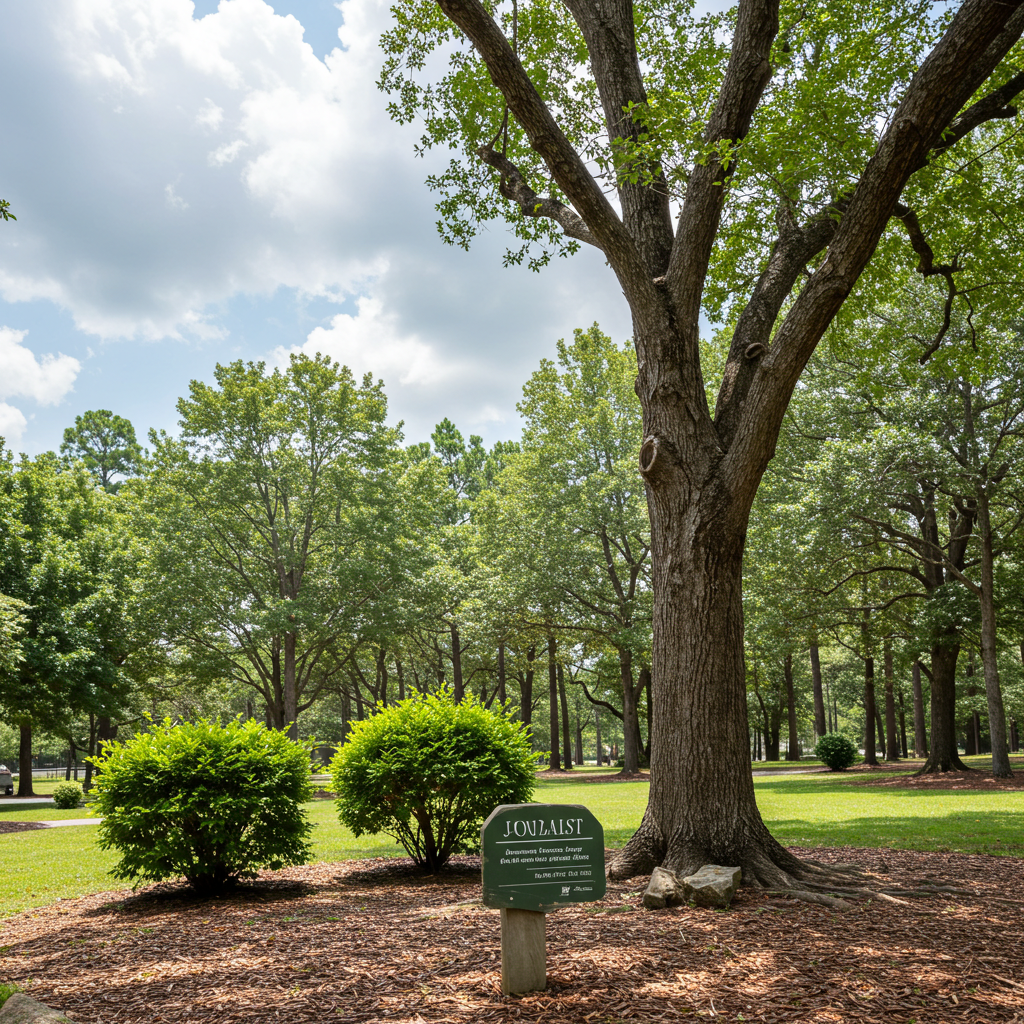
Maximize Your Tree's Lifespan: Advanced Care Strategies for Tampa's Climate
Advanced tree care strategies for maximizing tree lifespan in Tampa's climate involve a proactive, holistic approach focusing on specialized diagnostics, targeted nutrient management, structural reinforcement, and ongoing climate adaptation techniques. This goes beyond routine pruning and watering, addressing the unique stressors and long-term needs of mature trees in a subtropical environment to promote exceptional vigor and longevity.
How does Tampa's unique climate impact long-term tree health?
Tampa's subtropical climate, characterized by intense heat, high humidity, heavy rainfall, and occasional drought periods, presents a distinct set of challenges for tree health and longevity. These environmental factors, combined with sandy soils and a susceptibility to hurricane-force winds, demand more than just basic tree care. Understanding these impacts is the first step towards implementing advanced strategies for long-term tree health.
- Heat Stress: Prolonged periods of high temperatures can lead to significant stress, causing trees to expend more energy on survival than growth. This can weaken their immune systems, making them more vulnerable to pests and diseases.
- High Humidity & Rainfall: While beneficial for growth, excessive humidity and rainfall create ideal conditions for fungal diseases to thrive. Poor drainage in certain soil types can also lead to root rot, suffocating the tree's vital root system.
- Soil Composition: Tampa's naturally sandy soils often lack crucial organic matter and nutrients. This means trees may struggle to absorb adequate water and essential minerals without targeted interventions, leading to stunted growth and reduced vigor over time.
- Pest & Disease Pressure: The warm, moist climate provides a year-round haven for various pests and pathogens. Early detection and proactive treatment are critical, as infestations can quickly escalate and severely impact tree health.
- Storm Risk: Hurricanes and tropical storms are a recurring threat, causing structural damage to trees and increasing the risk of property damage. Advanced preventative measures are essential to mitigate these risks.
Recognizing these specific environmental pressures allows homeowners and tree care professionals to implement precise, preventative measures that protect trees from premature decline and ensure they contribute to the landscape for generations.
What are the signs your mature Tampa tree needs advanced intervention?
While some tree problems are obvious, many signs of decline in mature trees are subtle and often overlooked until the issue becomes severe. Advanced intervention aims to diagnose and treat these underlying issues before they compromise the tree's health or structural integrity. Being vigilant about these indicators can save your valuable trees.
- Gradual Canopy Thinning: If the tree's canopy appears less dense than usual, with fewer leaves or bare branches, it could indicate nutrient deficiencies, root problems, or disease.
- Unusual Leaf Discoloration or Wilting: Leaves turning yellow, brown, or developing spots out of season, or wilting despite adequate watering, are clear distress signals. This might point to pest infestations, fungal infections, or root damage.
- Trunk or Branch Cankers/Cracks: Sunken, discolored areas on the bark (cankers) or deep cracks can indicate bacterial or fungal infections, structural weaknesses, or insect boring.
- Excessive Deadwood: While some dead branches are normal, a significant increase in dead or decaying branches, especially in the upper canopy, is a warning sign of stress, disease, or internal decay.
- Root Collar Exposure or Decay: The root collar, where the trunk meets the ground, should be visible. If it's buried or shows signs of decay, girdling roots, or pest activity, it can severely impede nutrient and water uptake.
- Sudden Lean or Instability: A noticeable lean that develops over time, or heaving soil around the base, suggests potential root failure or structural weakness, posing a significant hazard.
- Abnormal Growth: Stunted growth, unusual twig dieback, or the presence of mushroom-like growths at the base of the tree are all indicators of systemic problems.
Early detection of these subtle signs is paramount. A certified arborist can conduct a thorough tree health assessment, employing diagnostic tools and expertise to pinpoint the exact cause of the issue and recommend a tailored advanced care plan.
What advanced techniques can preserve my valuable Tampa trees?
Preserving valuable mature trees in Tampa often requires moving beyond basic horticultural practices to embrace more sophisticated, arborist-led interventions. These techniques are designed to address specific problems, enhance tree vigor, and extend their useful life.
- Advanced Soil Management & Fertilization: Traditional surface fertilization may not reach deep-seated roots. Techniques like deep root fertilization, soil aeration, and the application of bio-stimulants or mycorrhizal fungi can significantly improve nutrient uptake, soil structure, and overall root health. Soil testing provides data for precise nutrient amendments.
- Integrated Pest Management (IPM): Instead of broad-spectrum pesticides, IPM focuses on preventing pest outbreaks through cultural practices, monitoring, and targeted treatments. This might include injecting systemic insecticides for specific borer control or introducing beneficial insects to control pest populations naturally.
- Disease Diagnosis & Treatment: Advanced diagnostics, sometimes including lab analysis of tissue samples, can accurately identify fungal, bacterial, or viral infections. Treatments can range from targeted fungicide applications and therapeutic pruning to trunk injections that deliver medicine directly into the tree's vascular system.
- Structural Pruning & Cabling/Bracing: For trees with compromised structure or weak branch attachments, advanced pruning techniques can redistribute weight and improve stability. Cabling and bracing systems provide supplemental support to prevent limb failure, especially critical in a storm-prone region like Tampa.
- Root Zone Management: Protecting and enhancing the root system is vital. This can involve air-spade technology to decompact soil and identify girdling roots, installation of root barriers to prevent infrastructure damage, or specialized watering techniques during dry spells.
- Growth Regulators: In some cases, applying plant growth regulators can help manage tree size, reduce stress, and improve tree health by diverting energy from excessive shoot growth to root development and defense mechanisms.
- Microclimate Modification: Creating favorable microclimates by strategic planting of companion plants, mulching, or even temporary shading can reduce heat stress and conserve moisture for sensitive species.
These advanced techniques require specialized knowledge and equipment, underscoring the importance of consulting with qualified tree care professionals.
How do I develop a long-term tree health plan for my Tampa property?
A comprehensive, long-term tree health plan is a strategic investment in your property's value and the ecological well-being of your landscape. It moves beyond reactive problem-solving to proactive preservation, ensuring your trees remain healthy and resilient for years to come. Here's how to develop one:
- Initial Arborist Consultation & Assessment: The first step is to schedule a detailed assessment with a certified arborist from a reputable company like Tampa Tree Care Specialists. They will evaluate each tree's species, age, condition, and environment, identifying potential risks and health concerns. This assessment forms the baseline for your plan.
- Establish Goals & Priorities: Discuss your objectives with the arborist. Are you focused on maximizing shade, preserving a family heirloom tree, mitigating storm risk, or enhancing curb appeal? Prioritizing these goals will guide the recommendations.
- Receive a Tailored Action Plan: Based on the assessment and your goals, the arborist will provide a customized action plan. This plan will detail recommended services, their timing, and expected outcomes. It might include:
- Annual or bi-annual tree health inspections.
- Specific pruning cycles for different tree types.
- Soil analysis and targeted fertilization schedules.
- Pest and disease management protocols.
- Recommendations for cabling, bracing, or lightning protection for valuable trees.
- Root zone protection strategies.
- Watering guidelines specific to your soil and tree species.
- Budget & Schedule: Review the plan and budget considerations. Long-term plans are often implemented in phases, allowing for consistent care over time rather than costly emergency interventions. Establish a regular service schedule that aligns with your budget and the tree's needs.
- Ongoing Monitoring & Adjustment: A long-term plan is not static. Your arborist should conduct regular follow-up inspections to monitor the trees' response to treatments and adapt the plan as environmental conditions change or trees mature further. This continuous oversight is crucial for maximizing tree longevity.
Investing in a long-term tree health plan with Tampa Tree Care Specialists ensures that your trees receive the expert, proactive attention they need to thrive in Tampa's unique environment. Our certified arborists possess the knowledge and advanced techniques to safeguard your valuable landscape assets, enhancing your property's beauty and resilience for decades.
Need Professional Assistance?
Get a free, no-obligation estimate from our expert local team today.