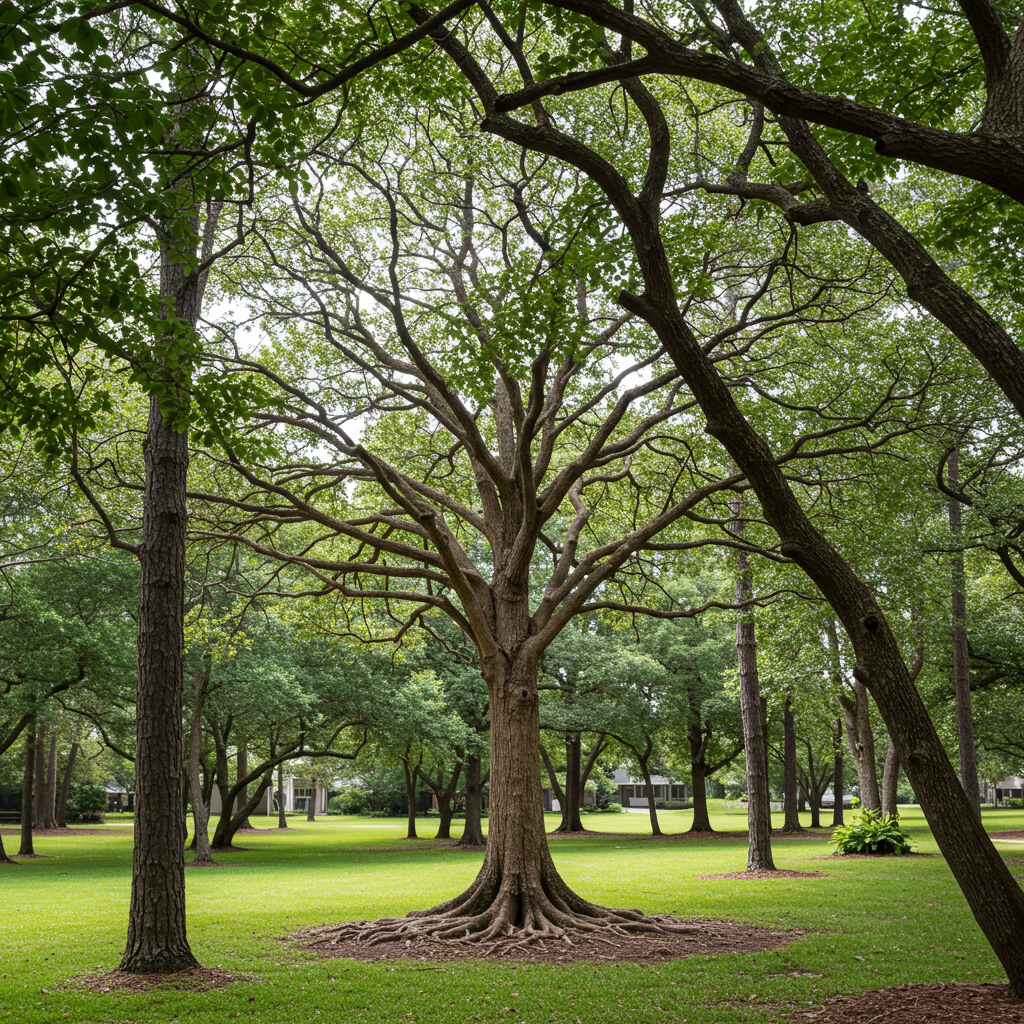
Safeguard Your Home: Unmasking the Hidden Dangers of Neglected Trees in Tampa
What Property Damage Can Unmaintained Trees Cause in Tampa?
Unmaintained trees, while beautiful, can become a silent threat to your Tampa property. Over time, branches can grow too close to your home's roof, gutters, or even power lines, causing a variety of structural and electrical issues. Weakened or dead limbs, often overlooked, are particularly dangerous. During Tampa's intense storm seasons, these limbs can easily break off, crashing onto your roof, car, fence, or even utility infrastructure. This isn't just an inconvenience; it can lead to costly repairs and significant insurance claims. The sheer weight of a falling tree or large branch can cause extensive damage, from shattered windows to compromised foundations. Furthermore, extensive root systems from neglected trees can disrupt underground pipes, crack driveways, and even undermine the structural integrity of your home's foundation over decades if not monitored and managed.
Understanding the common signs of potential property damage risks from your trees is vital for any Tampa homeowner:
- Overhanging Limbs: Branches directly above your roof, garage, or driveway are prime candidates for storm-related damage.
- Gutter Clogs: Leaves and debris from nearby trees can quickly block gutters, leading to water overflow, fascia damage, and potential water intrusion into your home.
- Foundation Cracks: Aggressive root systems seeking moisture can exert pressure on concrete slabs and foundations, leading to expensive structural repairs.
- Driveway & Sidewalk Lift: Roots growing under paved surfaces can cause them to buckle and crack, creating tripping hazards and requiring extensive repair work.
- Power Line Interference: Branches growing into power lines are not only a fire hazard but can also lead to power outages and dangerous electrical shorts.
Proactive trimming and expert assessment by a certified arborist can identify and mitigate these risks before they escalate into serious problems, saving you money and stress in the long run.
How Do Neglected Trees Become a Safety Risk for Tampa Residents?
Beyond property damage, neglected trees pose direct and severe safety risks to individuals. The most obvious danger comes from falling branches or entire trees. In Tampa's humid climate and frequent severe weather, compromised trees are exponentially more likely to fail. A dead or diseased tree might look stable, but internal decay or root rot can make it incredibly fragile, collapsing without warning. Children playing in the yard, guests visiting your home, or even just passing pedestrians can be seriously injured or worse by falling debris.
Moreover, poor tree care can create less obvious but equally dangerous situations:
- Tripping Hazards: Exposed or raised roots can become tripping hazards, especially in high-traffic areas of your yard or along pathways.
- Pest Infestations: Weakened or decaying trees are magnets for pests like termites, carpenter ants, and even venomous spiders. These pests can then migrate from the tree to your home, creating further safety and structural issues.
- Disease Spread: Neglected trees are more susceptible to diseases, which can then spread to healthier trees in your landscape, compromising the entire ecosystem of your yard. Some diseases can weaken branches to the point of easy breakage.
- Reduced Visibility: Overgrown trees can obstruct visibility for drivers at intersections or block streetlights, creating hazards for both pedestrians and motorists.
Ensuring your trees are healthy and properly maintained is not just about aesthetics; it's a critical component of maintaining a safe environment for your family and community.
Can Overlooked Tree Health Issues Attract Pests to My Tampa Home?
Absolutely. One of the most insidious dangers of neglected trees in Tampa is their propensity to become breeding grounds and transit points for pests that can then infest your home. Healthy trees possess natural defenses against many common pests. However, a tree suffering from disease, drought stress, nutrient deficiency, or physical damage loses its vigor and becomes a vulnerable target. Pests like boring insects, termites, carpenter ants, and certain fungi are drawn to weak or decaying wood because it's easier to penetrate and provides an ideal environment for their colonies.
Here's how overlooked tree health issues can lead to home infestations:
- Termites and Carpenter Ants: Decaying wood in a neglected tree provides the perfect habitat for these wood-destroying insects. Once established, it's a short journey for them to move from the tree to the wooden structures of your home, causing extensive and costly damage.
- Ambrosia Beetles: These tiny beetles bore into stressed trees, introducing fungi that further weaken the tree's structure and can even kill it. While less likely to infest homes directly, their activity signals a severely compromised tree that poses other risks.
- Spiders and Rodents: Overgrown, dense tree canopies or hollowed-out trunks provide excellent shelter for spiders, including venomous varieties, and rodents. Branches touching your home create convenient bridges for these unwanted guests to gain access to your attic or walls.
- Fungal Growth: Fungi often colonize stressed or dead wood, further weakening the tree and sometimes producing spores that can affect other plants or even human health if allergens are present. While most tree fungi don't directly infest homes, they are a clear sign of a neglected tree's declining health.
Regular inspections and prompt treatment of tree health issues can break this cycle, protecting both your trees and your home from invasive pests.
When Should Tampa Homeowners Seek Professional Help for Tree Hazards?
Knowing when to call in the professionals is crucial for addressing tree hazards effectively and safely. While routine gardening might be a DIY task, dealing with large trees, potential structural issues, or complex pest and disease problems requires the expertise, specialized equipment, and safety protocols of a certified arborist.
You should immediately seek professional help from Tampa Tree Care Specialists if you observe any of the following signs of tree hazard:
- Dead or Dying Branches: Branches that have no leaves, brittle wood, or visible decay are prone to breaking and falling.
- Cracks or Splits in the Trunk or Major Limbs: These are serious structural compromises that can lead to sudden tree failure.
- Leaning Tree: A tree that suddenly starts to lean, especially after a storm, could indicate root damage or instability.
- Visible Decay or Cavities: Holes, soft spots, or mushrooms growing on the trunk or base of the tree are strong indicators of internal decay.
- Changes in Root Structure: Heaving soil around the base of the tree or exposed, rotting roots suggest instability.
- Power Line Interference: If any part of your tree is touching or growing dangerously close to power lines, contact professionals immediately. This is extremely dangerous to handle yourself.
- Sudden Leaf Drop or Discoloration: While seasonal, sudden and unexplained changes can signal disease or pest infestation requiring expert diagnosis.
Don't wait for a crisis to occur. Proactive tree risk assessments and regular maintenance by experienced professionals like Tampa Tree Care Specialists can identify potential dangers before they become costly and hazardous emergencies. Our team is equipped with the knowledge and tools to safely manage these complex situations, preserving the beauty and safety of your Tampa landscape.
Need Professional Assistance?
Get a free, no-obligation estimate from our expert local team today.