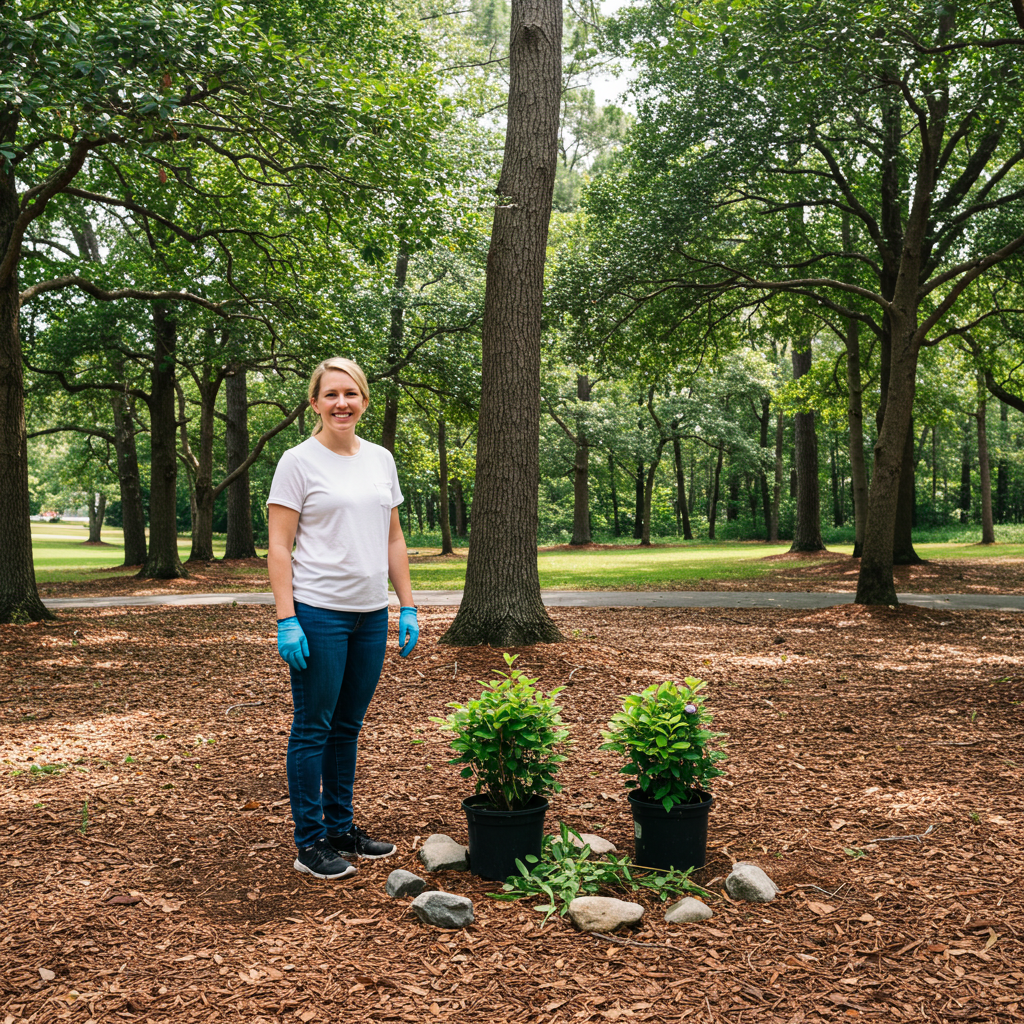
Ensure New Tree Success: Post-Planting Care for Your Tampa Landscape
Why is Post-Planting Care So Critical for Tampa Trees?
Planting a new tree is an exciting investment in your Tampa property, but the journey to a thriving, mature tree doesn't end when the last shovel of soil is turned. The period immediately following planting, often called the establishment phase, is arguably the most critical for a tree's long-term health and survival. During this time, the tree is under immense stress as it transitions from a nursery environment to your landscape. Its root system, which was significantly reduced during transplanting, must regrow and establish itself in the unfamiliar soil. For Tampa's unique environment, this phase presents specific challenges:
- Transplant Shock: All trees experience some degree of shock after being moved. Their ability to absorb water and nutrients is compromised, making them vulnerable.
- Tampa's Climate: The intense Florida sun, high humidity, and often sandy, fast-draining soils can exacerbate transplant stress. Young trees lack the extensive root systems of mature trees, making them highly susceptible to drought and nutrient deficiencies.
- Root Establishment: Successful establishment hinges on the roots growing into the surrounding soil. Until this occurs, the tree relies heavily on consistent moisture and proper care from the homeowner. Without adequate care, a newly planted tree may struggle, exhibit stunted growth, or even die within the first few years.
Understanding these challenges underscores why meticulous post-planting care isn't just beneficial—it's absolutely essential for your new tree to flourish in its Tampa home.
Immediate Post-Planting Steps: What to Do Right Away?
The first few weeks and months after planting are paramount. Here's a guide to the immediate steps you should take to give your new Tampa tree the best start:
- Initial Watering & Consistent Schedule: Immediately after planting, give your tree a thorough, deep watering. The soil should be moist, not waterlogged, to a depth that covers the entire root ball. For the first few weeks, young trees in Tampa typically need watering 2-3 times per week, depending on rainfall and soil type. Stick your finger 2-3 inches into the soil; if it feels dry, it's time to water. Deep watering encourages roots to grow downwards, seeking moisture, rather than staying near the surface.
- Apply an Organic Mulch: Mulch is a new tree's best friend in Tampa. Apply a 2-4 inch layer of organic mulch (like pine bark, wood chips, or melaleuca mulch) around the base of the tree, extending out to the drip line. Crucially, keep the mulch 2-3 inches away from the tree's trunk to prevent moisture buildup and disease. Mulch helps retain soil moisture, regulate soil temperature, suppress weeds that compete for resources, and slowly enriches the soil as it decomposes.
- Staking (Only if Necessary): Most small to medium-sized trees do not require staking. Trees that can sway gently in the wind develop stronger trunks and root systems. However, if your tree is top-heavy, planted in a very windy location, or has a small root ball relative to its canopy, temporary staking might be needed. If staking, use broad, flexible materials (like canvas straps) that won't girdle the trunk, and remove them within 6-12 months once the tree has established itself.
- Protect the Trunk: Young tree trunks are susceptible to sunscald (damage from intense sun exposure) and mechanical damage from lawnmowers or string trimmers. Consider a tree guard for the first year or two, especially for thin-barked species, but ensure it allows for air circulation.
Long-Term Care for Young Trees in Tampa: A Checklist for Success
Beyond the initial few months, ongoing care is vital for your young tree to develop into a strong, healthy specimen capable of weathering Tampa's conditions. This long-term care plan should continue for the first 2-5 years of the tree's life:
- Adjusted Watering Regime: As your tree grows and its root system expands, its watering needs will change. Gradually reduce the frequency of watering but increase the volume, encouraging deeper root growth. Monitor the tree's leaves for signs of stress (wilting, yellowing) and adjust accordingly, especially during dry spells.
- Structural Pruning: Early, corrective pruning is key to developing a strong branch structure. Focus on removing dead, damaged, or diseased branches, as well as crossing branches or those growing inwards. The goal is to establish a strong central leader (if appropriate for the species) and well-spaced scaffold branches. Avoid heavy pruning in the first year; light touch-ups are usually sufficient. Tampa Tree Care Specialists can provide expert young tree pruning to guide its growth without causing stress.
- Pest and Disease Monitoring: Young trees are often more susceptible to pests and diseases due to their stress levels. Regularly inspect leaves, bark, and branches for unusual spots, holes, discolored areas, or insect activity. Early detection allows for prompt, effective intervention, preventing minor issues from becoming major threats.
- Thoughtful Fertilization: In most cases, newly planted trees do not need immediate fertilization if the soil was properly amended at planting. Fertilizing too soon or with the wrong product can burn sensitive new roots. Wait until the second growing season, and if a soil test indicates a deficiency, apply a slow-release, balanced fertilizer specifically formulated for trees. Always follow application rates carefully.
- Protecting Against Environmental Stress: Be mindful of extreme weather. While established trees are more resilient, young trees can still benefit from extra water during prolonged droughts or protection during unexpected cold snaps (though rare in Tampa, still possible).
Common Mistakes to Avoid When Caring for New Trees in Tampa
Even with the best intentions, homeowners can sometimes make mistakes that hinder a new tree's establishment. Being aware of these pitfalls can save your tree:
- Overwatering or Underwatering: This is the most common mistake. Overwatering suffocates roots by depriving them of oxygen, while underwatering leads to dehydration. Learn to feel the soil and understand your tree's specific needs and your soil's drainage.
- "Volcano" Mulching: Piling mulch high against the tree's trunk creates a moist environment that encourages rot, pest infestation, and can hide disease. Always keep mulch a few inches away from the trunk.
- Improper Staking or Leaving Stakes On Too Long: Staking that's too tight can girdle and damage the trunk. Leaving stakes on for more than a year prevents the tree from developing crucial trunk strength needed to stand on its own.
- Ignoring Signs of Stress: Yellowing leaves, premature leaf drop, stunted growth, or wilting are all red flags. Don't assume the tree will recover on its own; investigate the cause promptly.
- Aggressive or Improper Pruning: Removing too many leaves or cutting branches incorrectly can stress the tree and inhibit its ability to photosynthesize and recover from transplant shock. Leave significant pruning to the professionals for the first few years.
Caring for a newly planted tree requires patience and attention, but the rewards—a beautiful, healthy, and resilient tree—are well worth the effort. By understanding the unique needs of young trees in the Tampa environment and following these post-planting care guidelines, you're setting your landscape up for long-term success. If you have questions about your new tree's health or need professional guidance on its care and establishment, don't hesitate to contact Tampa Tree Care Specialists. Our certified arborists have the expertise to ensure your young trees thrive, contributing beauty and value to your property for decades to come.
Need Professional Assistance?
Get a free, no-obligation estimate from our expert local team today.