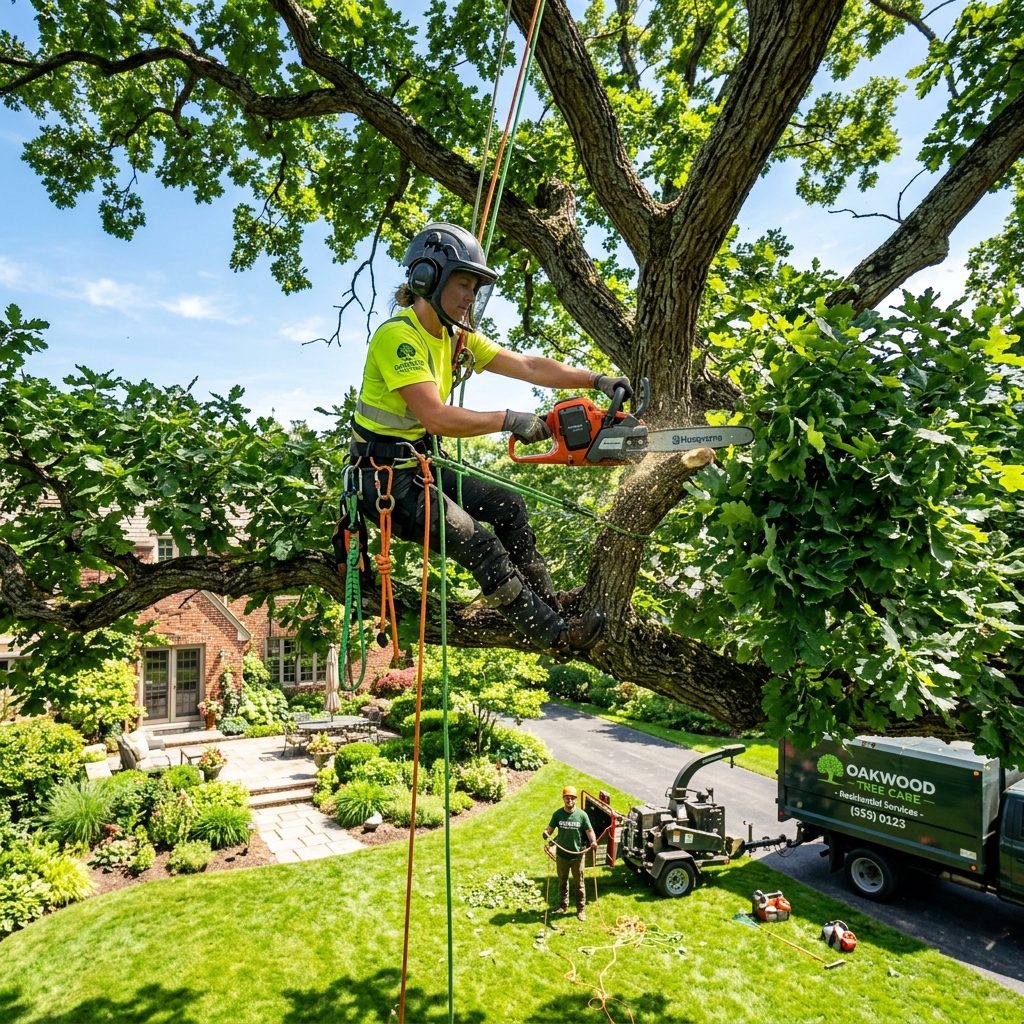
Optimal Watering & Fertilization: The Keys to Thriving Tampa Trees
The secret to healthy, thriving trees in Tampa's unique climate lies in understanding and implementing optimal watering and fertilization strategies. Consistent, deep watering tailored to species and soil, combined with precise, nutrient-rich fertilization, provides the essential foundation for robust growth and resilience against local stressors.
Why is Proper Watering Crucial for Tampa Trees?
Tampa's climate presents unique challenges for tree health, characterized by intense heat, periods of drought, and heavy rainfall during the wet season. Proper watering isn't just about giving your trees a drink; it's about supporting their entire physiological system. Water is essential for photosynthesis, transporting nutrients, regulating temperature, and maintaining cellular structure. Without adequate and appropriate watering, trees can become stressed, making them vulnerable to pests, diseases, and structural weakness.
- Nutrient Uptake: Water dissolves nutrients in the soil, making them available for absorption by tree roots.
- Temperature Regulation: Transpiration, the process of water movement through a plant and its evaporation from aerial parts, helps cool the tree during hot Tampa summers.
- Cell Structure: Turgor pressure, maintained by water within plant cells, keeps leaves and stems firm and upright.
- Drought Stress Prevention: Consistent watering, especially during dry spells, prevents the severe stress that can lead to canopy dieback or even tree death.
Understanding the specific needs of your tree species and the characteristics of your soil is paramount for effective watering. Overwatering can be just as detrimental as under-watering, leading to root rot and oxygen deprivation in the soil.
How Often Should I Water My Tampa Trees?
The frequency and volume of watering for your Tampa trees depend on several factors, including the tree's age, species, soil type, and current weather conditions. There's no one-size-fits-all answer, but here's a general guide to help you establish a routine:
- Newly Planted Trees: These require the most consistent attention. Water deeply 2-3 times per week for the first 3-6 months, gradually reducing frequency as the tree establishes. The goal is to keep the root ball consistently moist, but not waterlogged.
- Young Trees (1-3 years old): Once established, reduce watering to once a week during dry periods. Ensure the water penetrates at least 12-18 inches into the soil.
- Mature Trees: Established mature trees in Tampa are generally more drought-tolerant. During prolonged dry spells (more than 2-3 weeks without significant rain), deep watering every 2-4 weeks can be beneficial. Look for signs of stress like wilting or dull foliage.
- Soil Type: Sandy soils, common in many parts of Tampa, drain quickly and may require more frequent watering. Clay soils retain moisture longer, so less frequent watering is needed.
- Technique is Key: Always water slowly and deeply, allowing the water to soak into the root zone. Avoid shallow, frequent watering, which encourages surface roots that are more susceptible to drought. Use soaker hoses or drip irrigation for efficiency. Water early in the morning to minimize evaporation.
A simple way to check soil moisture is to use a moisture meter or simply stick your finger into the soil. If it feels dry 2-3 inches down, it's likely time to water.
What Are the Best Fertilization Strategies for Tampa Trees?
Fertilization provides essential nutrients that may be lacking in the soil, promoting robust growth, flowering, and fruit production, and enhancing a tree's natural resistance to pests and diseases. However, improper fertilization can harm your trees.
Effective fertilization strategies involve:
- Soil Testing: This is the absolute first step. A soil test will reveal nutrient deficiencies and pH levels, guiding you to select the correct fertilizer formulation. Guessing can lead to an imbalance, which is detrimental.
- Balanced Fertilizers: Most Tampa soils benefit from a slow-release, balanced fertilizer (e.g., 8-2-10, 10-10-10) formulated for trees and shrubs. The numbers represent the N-P-K ratio (Nitrogen, Phosphorus, Potassium), which are the primary macronutrients.
- Micronutrients: Tampa soils can sometimes be deficient in micronutrients like iron, manganese, and zinc, especially in alkaline conditions. Your soil test will indicate if these are needed.
- Application Methods:
- Granular Spreading: Evenly spread granular fertilizer over the tree's root zone (extending from the trunk to the drip line, avoiding the immediate trunk area), then water it in thoroughly.
- Deep Root Fertilization: This method involves injecting liquid fertilizer directly into the soil within the root zone. It delivers nutrients efficiently, minimizes runoff, and encourages deep root growth. This is often best left to professionals.
- Foliar Feeding: For quick uptake of micronutrients or to correct specific deficiencies, a liquid fertilizer can be sprayed directly onto the leaves. This is a temporary solution, not a primary feeding method.
- Organic Amendments: Incorporating organic matter like compost can improve soil structure, water retention, and nutrient availability over time, fostering a healthier soil ecosystem.
Always follow the manufacturer's instructions for fertilizer application rates, as over-fertilization can burn roots and cause damage.
When Should I Fertilize My Trees in Tampa?
Timing is critical when it comes to fertilizing your Tampa trees. Applying fertilizer at the wrong time can be ineffective or even harmful, stimulating growth when the tree should be preparing for dormancy, or during periods of intense heat and stress.
- Early Spring (February-March): This is often the ideal time for general fertilization in Tampa. As temperatures rise and trees emerge from winter dormancy, they are actively growing and can readily utilize nutrients for new leaf and shoot development.
- Late Fall (October-November): A lighter application of fertilizer in late fall can help trees store energy for the winter and get a head start in spring. Focus on phosphorus and potassium to support root development and overall hardiness. Avoid heavy nitrogen applications late in the season, as this can encourage tender new growth susceptible to cold snaps.
- Avoid Summer Fertilization: Generally, avoid fertilizing during the peak of Tampa's summer heat and rainy season (June-September). High temperatures can stress trees, and excessive nitrogen can force growth when the tree is trying to conserve energy, or leach away quickly with heavy rains.
- Special Cases: Trees showing signs of specific nutrient deficiencies, identified by a soil test and professional diagnosis, may require targeted fertilization outside these general windows. Young, rapidly growing trees may also benefit from more frequent, light applications.
Always observe your trees for signs of nutrient deficiency (e.g., yellowing leaves, stunted growth) or over-fertilization (e.g., burnt leaf tips, sudden dieback) to adjust your strategy as needed.
How Can Tampa Tree Care Specialists Help With Tree Nutrition?
Ensuring your trees receive optimal watering and fertilization can be a complex task, especially with Tampa's challenging climate and diverse tree species. This is where the expertise of Tampa Tree Care Specialists becomes invaluable. Our certified arborists provide comprehensive services designed to keep your trees healthy and vibrant.
- Professional Soil Analysis: We perform in-depth soil testing to accurately identify nutrient deficiencies and pH imbalances specific to your property. This data forms the foundation of a tailored nutrition plan.
- Customized Fertilization Programs: Based on soil test results, tree species, age, and health, we develop and implement precise fertilization programs using high-quality, slow-release fertilizers and, when necessary, micronutrient supplements. Our deep root fertilization techniques ensure nutrients are delivered efficiently where trees need them most.
- Expert Watering Guidance: We assess your landscape, soil type, and tree needs to provide personalized recommendations for efficient and effective watering schedules and methods, helping you conserve water while maximizing tree health.
- Diagnosis and Treatment: If your trees are showing signs of stress or nutrient deficiencies, our arborists can accurately diagnose the problem and recommend appropriate treatments, from specialized nutrient applications to root zone management.
- Ongoing Tree Health Monitoring: We offer regular tree health assessments to monitor the effectiveness of nutrition programs and make adjustments as your trees mature or environmental conditions change.
Partnering with Tampa Tree Care Specialists ensures your valuable trees receive the precise care they need to flourish, resist disease, and stand strong against the elements. Contact us today for a professional assessment and let us help you cultivate a healthier, more beautiful landscape.
Need Professional Assistance?
Get a free, no-obligation estimate from our expert local team today.