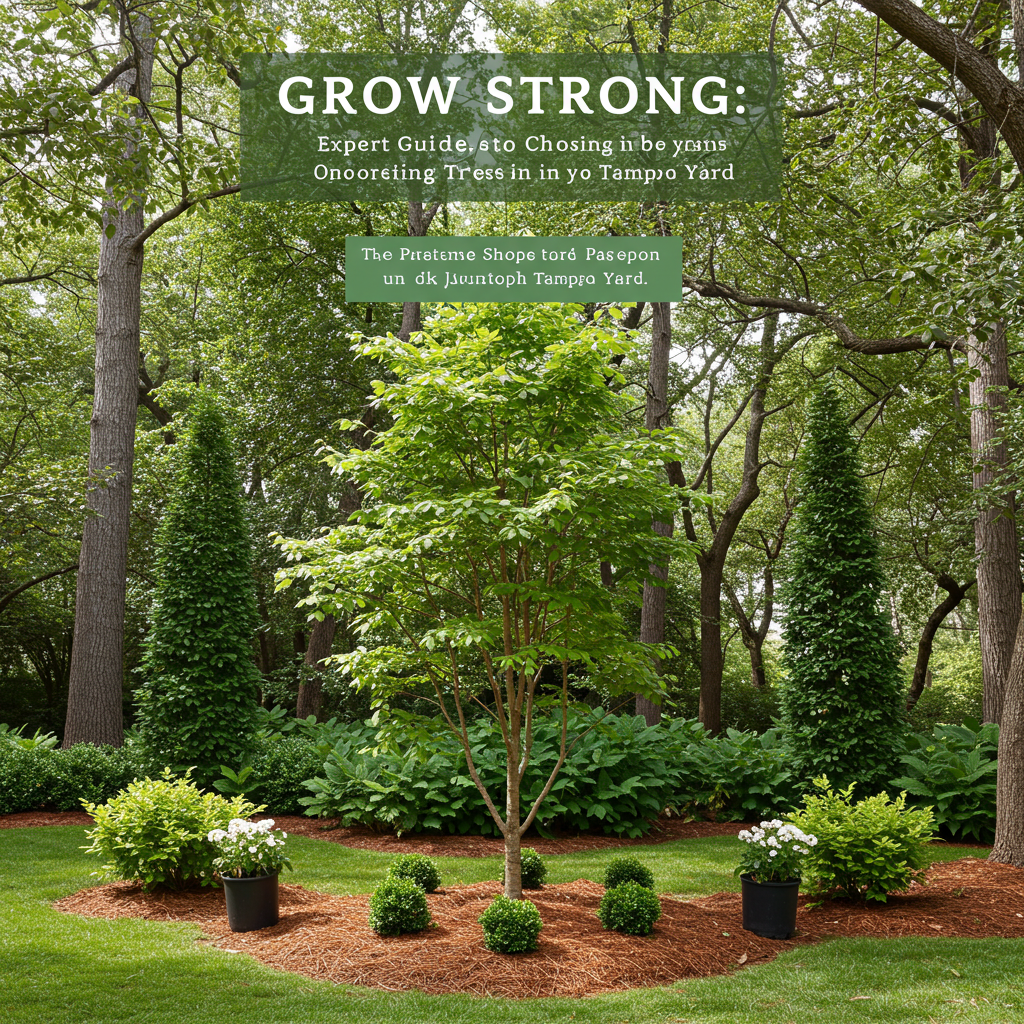
Grow Strong: Expert Guide to Choosing & Planting Trees in Your Tampa Yard
Planting a new tree is an investment in your property's future, offering shade, beauty, and ecological benefits for decades to come. However, in a unique climate like Tampa's, selecting the right species and executing proper planting techniques are paramount for success. Our subtropical environment presents both opportunities and challenges, from sandy soils to intense humidity and occasional droughts. This comprehensive guide will walk you through everything you need to know to choose, plant, and care for a tree that will thrive in your Tampa landscape.
Understanding your local ecosystem and the specific needs of different tree species is the first step towards a vibrant, healthy yard. Poor choices or improper planting can lead to stunted growth, disease, and premature death, turning an asset into a liability. Let's delve into how you can make informed decisions to ensure your new tree becomes a majestic addition to your Tampa home.
What are the best drought-tolerant trees for Tampa's climate?
Selecting trees that naturally adapt to Florida's conditions, particularly its periods of intense heat and variable rainfall, is crucial for long-term health and reduced maintenance. Drought-tolerant native or well-adapted species are your best bet because they have evolved to handle the local climate without excessive irrigation once established. Choosing these species minimizes water usage and increases the tree's resilience to common environmental stressors.
- Live Oak (Quercus virginiana): An iconic Florida native, known for its massive, sprawling canopy and exceptional drought tolerance once established. Live oaks provide dense shade and are incredibly long-lived, making them a fantastic investment. Their deep root systems help them withstand windy conditions.
- Sabal Palm (Sabal palmetto): Florida's state tree, the Sabal Palm is incredibly versatile and hardy. It tolerates a wide range of soil conditions, including wet and dry, and is highly resistant to drought and salt spray, making it ideal for coastal Tampa areas.
- Gumbo Limbo (Bursera simaruba): Often called the “Tourist Tree” due to its reddish, peeling bark, resembling sunburnt tourists. This fast-growing native is exceptionally drought-tolerant and can handle poor soils. It offers unique visual interest and is remarkably robust.
- Southern Magnolia (Magnolia grandiflora): While not strictly drought-tolerant initially, established Southern Magnolias are quite resilient to dry periods and thrive in Tampa's climate. Their large, fragrant white flowers and glossy green leaves provide year-round beauty.
- Slash Pine (Pinus elliottii): A rapid-growing native pine, excellent for providing quick shade and naturalizing landscapes. Once established, it is very tolerant of drought and performs well in sandy soils. It also supports local wildlife.
These selections offer not only beauty but also functional benefits like shade and habitat, all while being well-suited to the demands of the Tampa environment. Their natural resistance to local pests and diseases further reduces the need for interventions.
How do I properly plant a new tree in my Tampa yard?
Proper planting is the single most important factor for a tree's long-term health and establishment. Even the perfect tree species will struggle if not planted correctly. The goal is to create an environment where roots can expand easily into the surrounding soil, anchoring the tree and absorbing nutrients and water efficiently. Here's a step-by-step guide:
- Choose the Right Spot: Consider the tree's mature size – both height and spread – ensuring it won't interfere with power lines, buildings, or underground utilities. Also, assess sunlight exposure and drainage.
- Dig the Right-Sized Hole: The hole should be 2-3 times wider than the root ball but only as deep as the root ball. This ensures lateral root growth without the tree settling too deep. The top of the root flare (where the trunk widens at the base) should be slightly above ground level.
- Prepare the Root Ball: Gently remove the tree from its container. If it's balled and burlapped, remove all twine, wire, and burlap. Inspect the roots for any circling or girdling roots; carefully untangle or prune them if necessary to encourage outward growth.
- Place the Tree: Center the tree in the hole, ensuring the root flare is visible and at or slightly above the surrounding soil grade. This prevents the trunk from being buried, which can lead to rot and suffocation.
- Backfill Carefully: Use the original soil to backfill the hole. Gently tamp the soil to remove large air pockets, but avoid compacting it too much, which can restrict root growth. Do not add amendments like peat moss or compost directly into the planting hole, as this can create a 'pot effect' and discourage roots from growing into the native soil.
- Build a Water Berm: Create a small soil berm around the edge of the planting hole to help retain water and direct it towards the root zone during initial watering.
- Water Thoroughly: Water deeply immediately after planting to settle the soil and eliminate remaining air pockets. This is crucial for initial hydration and root-to-soil contact.
- Mulch Properly: Apply a 2-4 inch layer of organic mulch (like wood chips) over the root zone, extending out to the drip line. Keep mulch a few inches away from the tree trunk to prevent moisture buildup and disease. Mulch conserves moisture, regulates soil temperature, and suppresses weeds.
What common mistakes should I avoid when planting trees in Tampa?
Even experienced gardeners can fall victim to common tree planting errors, especially in Florida's challenging environment. Avoiding these pitfalls can significantly improve your tree's chances of survival and long-term health. Understanding why these mistakes are detrimental is key to proper practice.
- Planting Too Deep: This is perhaps the most common and damaging mistake. When a tree is planted too deep, the root flare is buried, depriving the roots of oxygen and encouraging girdling roots to form around the trunk, eventually choking the tree. It also makes the tree more susceptible to root rot and pest infestations.
- “Volcano” Mulching: Piling mulch high against the tree trunk creates a “volcano” effect. While mulch is beneficial, this practice holds excessive moisture against the bark, leading to decay, fungal diseases, and providing shelter for rodents and insects that can damage the trunk. Always keep mulch a few inches away from the trunk.
- Not Watering Enough (or Too Much): New trees require consistent moisture, especially during their first year as they establish. Underwatering leads to stress and death, but overwatering can cause root rot. In Tampa's humid environment, checking soil moisture before watering is crucial; aim for consistently moist, but not waterlogged, soil.
- Failing to Address Circling Roots: Trees grown in containers often develop roots that circle the inside of the pot. If not untangled or pruned before planting, these roots will continue to grow in a circular pattern, eventually girdling and killing the tree by restricting nutrient and water flow.
- Incorrect Pruning at Planting: While some minor pruning might be necessary to remove broken or damaged branches, avoid heavy pruning at the time of planting. The tree needs its leaves to produce energy for root establishment. Focus on structural pruning a year or two after planting.
- Ignoring Soil Conditions: Not amending extremely poor soil or failing to understand existing drainage can lead to problems. While backfilling with native soil is generally recommended, sometimes severe compaction or nutrient deficiencies need to be addressed (e.g., creating a wider, improved planting zone, not just the hole).
By being mindful of these common errors, you can give your new tree the best possible start and avoid costly problems down the line. Patience and careful attention to detail are your best allies.
When is the ideal time to plant new trees in Central Florida?
Timing is everything when it comes to tree planting, especially in a subtropical climate like Tampa's. While trees can technically be planted year-round if proper care is provided, certain seasons offer significant advantages that reduce stress on the young tree and improve its chances of successful establishment. This is due to a combination of temperature, rainfall, and root growth patterns.
- Fall (October to December): This is generally considered the absolute best time to plant trees in Central Florida. The scorching summer heat has subsided, but the ground is still warm enough to encourage root growth. Additionally, fall often brings more consistent rainfall, reducing the need for constant supplemental irrigation. Planting in fall allows trees to establish a robust root system over the cooler months before the intense heat and dry spells of the following spring and summer.
- Winter (January to February): Winter is also an excellent time for planting. Temperatures are mild, and dormancy for many deciduous species means less stress on the canopy while roots continue to grow in the warm soil. The lower humidity and cooler temperatures further minimize water loss from leaves.
Planting during these cooler, wetter months allows the tree to focus its energy on developing a strong root system without the added burden of trying to support a full canopy in extreme heat. The reduced evaporative stress means less water is needed, conserving resources and making establishment easier for homeowners. While planting in spring or summer is possible, it demands much more vigilant watering and care to combat heat stress and potential drought conditions. For optimal success and minimal effort, aim for fall or winter plantings in your Tampa yard.
Successfully choosing and planting the right tree in your Tampa yard can significantly enhance your property's value, curb appeal, and environmental footprint. By understanding the unique challenges and opportunities presented by our local climate, you can make informed decisions that lead to a thriving landscape. From selecting drought-tolerant natives to mastering the art of proper planting and avoiding common mistakes, every step contributes to the long-term health of your trees.
However, undertaking such a significant landscaping project can be daunting. If you need expert guidance on tree selection, professional planting services, or ongoing tree care to ensure your new additions flourish, Tampa Tree Care Specialists are here to help. Our certified arborists possess the local knowledge and expertise to ensure your trees not only survive but truly thrive, enhancing the beauty and sustainability of your Tampa home for years to come. Contact us today for a consultation!
Need Professional Assistance?
Get a free, no-obligation estimate from our expert local team today.