Unlock Decades of Beauty: The Tampa Homeowner's Guide to Maximizing Tree Lifespan
Extending a tree's lifespan in Tampa primarily hinges on consistent, proper care from day one, starting with species selection and correct planting. This includes tailored watering, strategic pruning, fertilization based on soil needs, and vigilant pest and disease management, all adapted to Tampa's unique subtropical climate to foster robust health and resilience.
How Does Proper Planting Set the Stage for Tree Longevity in Tampa?
The foundation for a long, healthy tree life begins long before the tree is in the ground. For Tampa homeowners, making informed decisions at the planting stage is paramount. Selecting the right species for your specific microclimate and soil conditions in Tampa ensures that your tree won't be fighting an uphill battle from the start.
- Species Selection: Opt for trees native or well-adapted to Tampa's sandy soils, high humidity, and occasional droughts. Consider factors like mature size, sun exposure requirements, and resistance to common local pests and diseases. An arborist can provide invaluable guidance on the best choices for your property.
- Site Preparation: Ensure the planting site offers adequate drainage. In Tampa, poorly draining soils can lead to root rot. Amending the soil with organic matter can improve structure and nutrient retention, giving young roots a better start.
- Correct Planting Depth: This is one of the most critical, yet often overlooked, factors. The root flare (where the trunk begins to widen at the base) must be at or slightly above the soil line. Planting too deep can suffocate roots and shorten a tree's life dramatically.
- Initial Watering and Mulching: After planting, thorough watering is essential for settling the soil and eliminating air pockets. A 2-4 inch layer of organic mulch (like pine bark or wood chips) around the base of the tree, kept a few inches away from the trunk, helps retain soil moisture, regulate temperature, and suppress weeds – all vital for young tree establishment.
By investing time and knowledge into these initial steps, you're not just planting a tree; you're cultivating a lasting legacy for your Tampa property.
What Ongoing Care Practices Ensure Decades of Healthy Growth for Tampa Trees?
Once established, your Tampa trees require consistent, thoughtful maintenance to reach their full lifespan potential. This isn't just about reacting to problems, but proactively supporting their health and structural integrity.
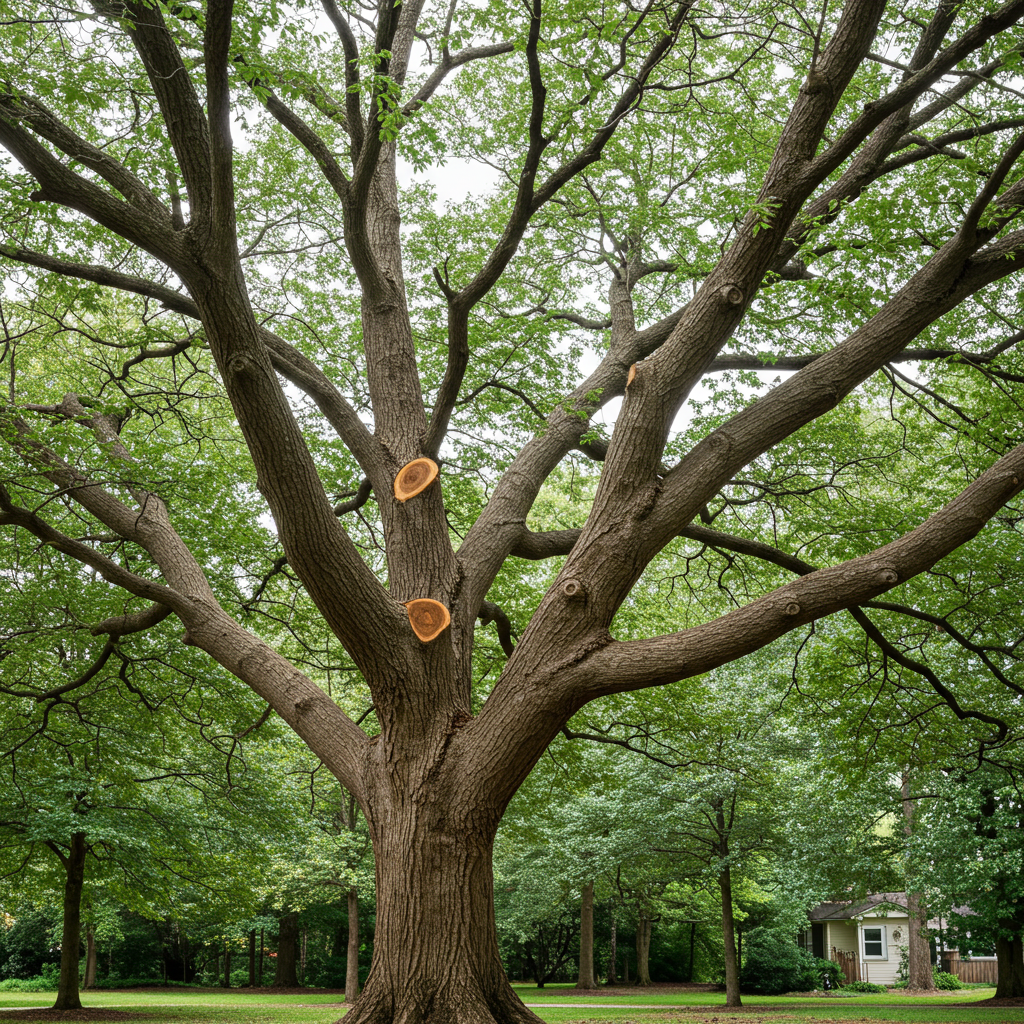
- Strategic Pruning: Proper pruning is an art and a science that removes dead, diseased, or damaged branches, improves air circulation within the canopy, and maintains a strong central leader. For Tampa's often windy and hurricane-prone climate, structural pruning to enhance wind resistance is crucial. Regular pruning also removes crossing branches that can rub and create open wounds, preventing future pest or disease entry points. Incorrect pruning, such as topping, severely stresses trees and can drastically shorten their lives.
- Tailored Watering: While Tampa experiences a rainy season, dry spells, especially from late fall through spring, can be taxing. Deep, infrequent watering encourages roots to grow deeper, making the tree more drought-resilient. Young trees need more frequent watering, but mature trees benefit from supplemental irrigation during extended dry periods, especially newly planted ones. Always check soil moisture before watering.
- Targeted Fertilization: Not all trees need fertilizer, and indiscriminate application can do more harm than good. A soil test will reveal specific nutrient deficiencies. If needed, a slow-release fertilizer tailored to your tree's needs can replenish essential nutrients, promoting vigorous growth and bolstering defenses against stress. This is particularly important in Tampa's nutrient-leaching sandy soils.
- Vigilant Pest and Disease Management: Tampa's warm, humid climate can be a breeding ground for various pests and fungal diseases. Regularly inspecting your trees for unusual spots, wilting, discolored leaves, or insect activity allows for early intervention. Many issues can be managed if caught early, preventing widespread damage that could compromise the tree's health and lead to premature decline.
These ongoing practices contribute significantly to a tree's ability to withstand environmental stressors and thrive for many years.
When Do Mature Trees in Tampa Need Specialized Attention for Lifespan Extension?
As trees mature, their needs evolve, and specialized care becomes increasingly important to sustain their health and prevent decline. Ignoring these critical stages can lead to weakened structures and shortened lifespans.
- Signs of Aging and Decline: Look for indicators such as extensive deadwood in the canopy, significant bark loss, deep cracks or cavities in the trunk, or a general thinning of foliage. These can signal internal decay or severe stress. A professional arborist can accurately assess these signs and recommend appropriate interventions.
- Advanced Arborist Inspections: Beyond routine check-ups, mature trees benefit from periodic in-depth inspections by a certified arborist. These professionals can conduct detailed risk assessments, identifying potential structural weaknesses, hidden decay, or pest infestations that might not be obvious to the untrained eye. Early detection allows for corrective measures before issues become critical.
- Cabling and Bracing: For trees with weak branch unions or multiple leaders, structural support systems like cabling and bracing can prevent limbs from splitting or breaking, especially during Tampa's strong storms. This technique uses cables or rigid rods to provide supplementary support, redistributing stress and prolonging the life of a structurally compromised tree.
- Root Protection and Soil Management: The root system is the lifeblood of a tree. For mature trees, protecting the root zone from compaction due to foot traffic, vehicle movement, or construction is vital. Deep root fertilization, aeration, or the installation of root barriers (when necessary to protect infrastructure) can maintain optimal root health, which directly impacts the tree's overall vigor and longevity.
Proactive and specialized care for mature trees is an investment that safeguards their health, ensures your property's safety, and extends the enjoyment of these magnificent natural assets.
What Are Common Threats to Tree Lifespan in Tampa and How Can They Be Mitigated?
Tampa's unique environment presents several challenges that can impact a tree's lifespan. Understanding these threats and implementing mitigation strategies is key to ensuring your trees thrive.
- Hurricane and Storm Damage: Our region is highly susceptible to tropical storms and hurricanes. Strong winds can cause limb breakage, uprooting, and splitting. Mitigation includes preventative structural pruning to reduce wind resistance, removing weak or dead branches, and ensuring proper tree health so they can better withstand severe weather events. Post-storm, immediate professional assessment and care are crucial for recovery.
- Soil Compaction and Improper Irrigation: In urban and suburban settings, soil around trees often becomes compacted, limiting oxygen and water absorption by roots. Combined with incorrect watering practices (too much or too little), this can lead to root damage and tree stress. Mitigation involves aeration, mulching, and thoughtful landscape design that minimizes foot traffic around the tree's drip line.
- Specific Pests and Diseases: Tampa's climate is conducive to certain pests like ambrosia beetles, bark beetles, and diseases such as Ganoderma butt rot or laurel wilt. Regular monitoring and early identification are paramount. Mitigation strategies range from cultural practices (e.g., proper watering to reduce stress) to targeted, environmentally responsible treatments applied by professionals.
- Construction Damage: Construction projects near trees pose a significant threat to root systems, bark, and overall tree health. Root cutting, soil compaction, and accidental trunk damage can cause slow decline or immediate death. Mitigation requires establishing tree protection zones, installing root barriers, and working with tree care professionals who understand how to minimize construction impacts.
By actively addressing these common threats, Tampa homeowners can significantly enhance their trees' resilience, promoting a much longer and healthier life.
Ensure Your Tampa Trees Thrive for Generations
Maximizing the lifespan of your trees in Tampa is a rewarding endeavor that enhances your property's value, aesthetic appeal, and ecological benefits. From the initial careful planting to ongoing maintenance and specialized mature tree care, each step plays a vital role in fostering longevity.
Don't leave the health and future of your valuable trees to chance. Tampa Tree Care Specialists offers comprehensive, expert services designed to support your trees through every stage of their life. Our certified arborists understand the unique challenges and opportunities of Tampa's environment, providing professional pruning, health assessments, pest and disease management, and strategic planning to ensure your trees not only survive but truly flourish for decades to come. Contact us today for a consultation and invest in the long-term health and beauty of your landscape.
Need Professional Assistance?
Get a free, no-obligation estimate from our expert local team today.