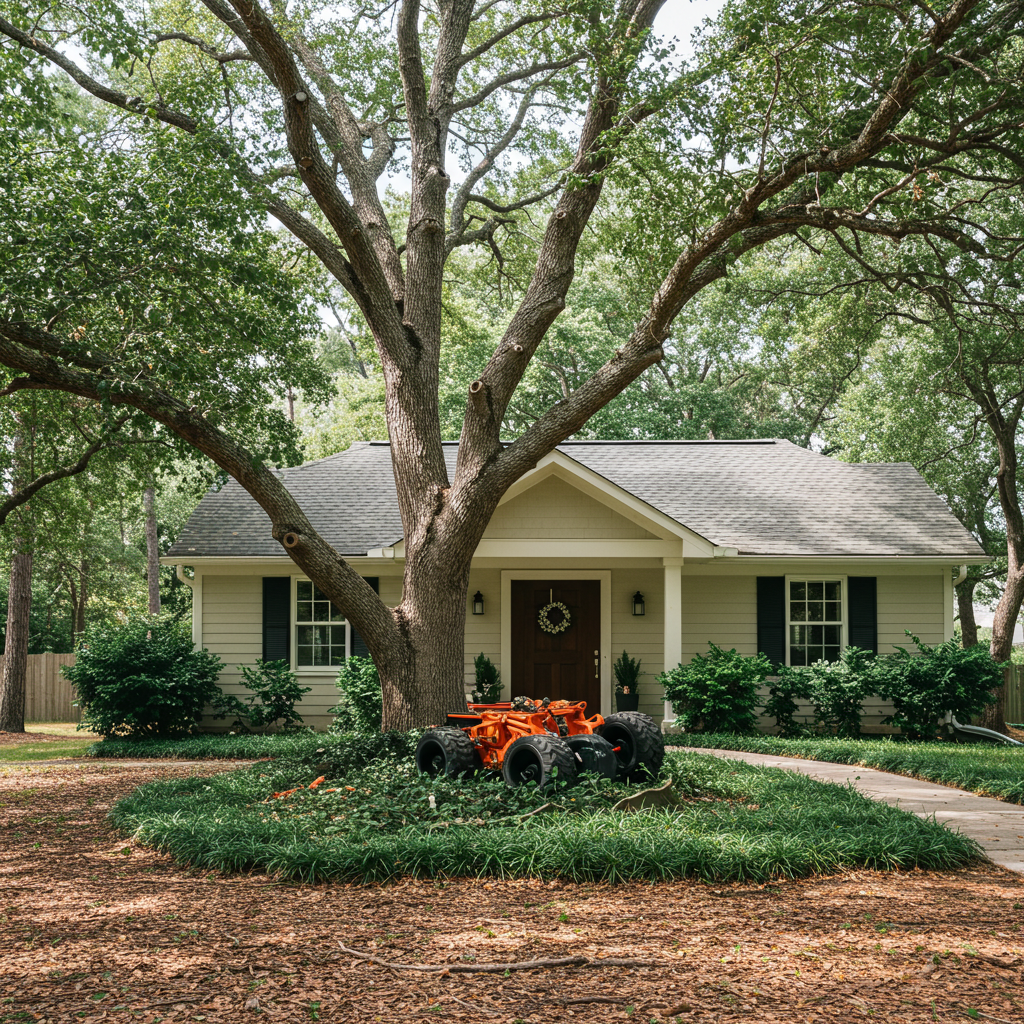
Restore Your Landscape: Essential Post-Hurricane Tree Care in Tampa
After a hurricane, prioritize safety by assessing your trees from a distance for hazards like leaning, hanging branches, or uprooted systems. Document damage, then contact professional tree care specialists in Tampa for safe and effective cleanup and restoration, avoiding immediate DIY efforts that could be dangerous or cause further harm.
What are the immediate dangers from storm-damaged trees in Tampa?
When a hurricane tears through Tampa, the immediate aftermath often reveals a landscape dramatically altered, with trees bearing the brunt of high winds and heavy rainfall. While the urge to clear debris might be strong, understanding and addressing immediate dangers from storm-damaged trees is paramount for safety. Ignoring these hazards can lead to serious injury or further property damage, making a careful and cautious approach absolutely critical.
- Falling Limbs and Branches: High winds can weaken or partially detach branches that might remain precariously lodged in the tree canopy. These 'widowmakers' can fall at any time, posing a significant threat to anyone underneath or passing by. Even seemingly small branches can cause considerable harm if they fall from a height.
- Uprooted or Leaning Trees: Strong winds can compromise a tree's root system, causing it to become partially or fully uprooted, or lean precariously. A leaning tree might appear stable but could collapse without warning, especially if the ground is saturated or if the tree experiences further stress. Identifying a compromised root plate (a raised mound of soil around the base) is a clear indicator of severe instability.
- Electrical Hazards: Perhaps the most dangerous threat is when trees or their branches come into contact with power lines. Live electrical wires can be hidden within foliage or on the ground, and any contact with them can be lethal. Always assume downed power lines are energized and never approach them. Immediately report any power line issues to Tampa Electric (TECO) or emergency services.
- Hidden Structural Damage: A tree might look relatively intact from the outside, but hidden cracks, splits, or weak points in the trunk or major limbs can make it structurally unsound. Such damage, often exacerbated by water saturation, can lead to sudden failure days or even weeks after the storm has passed.
Our experience at Tampa Tree Care Specialists reinforces that safety should always be the first consideration. Do not attempt to clear large, complex, or power line-affected tree damage yourself. Leave these hazardous tasks to certified professionals equipped with the right training and gear.
How do you properly assess tree damage after a hurricane in Tampa?
Proper assessment of tree damage post-hurricane is the crucial first step toward effective and safe recovery. A thorough evaluation helps determine which trees are salvageable, which require immediate removal, and what restoration efforts are needed. This process goes beyond a quick glance and involves systematic observation to ensure no critical damage is overlooked.
Here's how to approach a comprehensive post-storm tree assessment:
- Ensure Personal Safety First: Before approaching any damaged tree, ensure there are no immediate threats like downed power lines, gas leaks, or unstable structures. Maintain a safe distance until you've confirmed the area is secure.
- Observe from a Distance: Begin by looking at your entire property from a safe vantage point. Note any trees that are leaning significantly, have major broken limbs, or are completely uprooted. This helps prioritize areas needing closer inspection.
- Inspect the Canopy: Look for broken or hanging branches, especially those that are large or appear to be 'caught' in other limbs. Check for split or cracked branches within the canopy, as these can be less obvious but equally dangerous. Note if a significant portion of the canopy has been lost, as this can severely stress the tree.
- Examine the Trunk and Main Limbs: Carefully inspect the tree's trunk for any cracks, splits, or bark damage. Vertical cracks or large areas of missing bark can indicate severe structural compromise. Pay attention to the points where large branches attach to the trunk; splits here are particularly problematic.
- Assess the Root Collar and Ground: Look for any signs of root damage. A raised mound of soil around the base of the tree (a 'root plate' heave) is a strong indicator of partial uprooting and severe instability. Check for soil erosion around the base, which can expose roots and further destabilize the tree.
- Identify Different Types of Damage: Damage can range from minor twig loss to complete uprooting. Categorize the damage:
- Minor Damage: Small broken branches (less than 2 inches in diameter).
- Moderate Damage: Larger broken branches (2-5 inches), minor bark wounds.
- Major Damage: Broken limbs over 5 inches, significant crown loss (more than 50%), split trunk, large bark wounds, significant leaning.
- Catastrophic Damage: Completely uprooted, trunk split down the middle, extensive structural failure, contact with power lines.
- Document Everything: Take photos and videos of the damage. This documentation is invaluable for insurance claims and for communicating with professional arborists.
An expert arborist from Tampa Tree Care Specialists can provide a detailed and objective assessment, identifying both obvious and subtle damage that might be missed by an untrained eye. Their expertise ensures that the right course of action is taken to save viable trees and safely remove those beyond repair.
When should you call professional emergency tree services in Tampa?
While minor tree damage after a hurricane might seem manageable for a homeowner, there are critical situations in Tampa where attempting DIY tree care is not only inadvisable but downright dangerous. Recognizing when to call professional emergency tree services is essential for your safety, the integrity of your property, and the health of your remaining landscape. Professionals bring specialized equipment, training, and experience that are vital in hazardous post-storm conditions.
You should immediately contact professional emergency tree services if any of the following conditions exist:
- Trees or Branches on Power Lines: This is the most critical situation. Any tree material touching or even near power lines can be electrified. Never approach, touch, or attempt to remove these. Contact TECO and then a professional tree service.
- Large Limbs or Trees on Structures: If a significant tree limb or an entire tree has fallen onto your home, garage, vehicle, or any other structure, it creates immense pressure and potential for further collapse. Professional removal ensures the weight is managed safely, preventing additional damage during the extraction process.
- Blocked Access or Driveways: Large fallen trees or debris blocking emergency vehicle access, driveways, or public roads require rapid, professional removal to restore essential access and ensure public safety.
- Severely Leaning or Uprooted Trees: Trees that are leaning precariously or have been partially uprooted (indicated by a raised root ball) are highly unstable and can fall at any moment. These require specialized equipment and expertise to stabilize or safely remove without causing secondary damage.
- Trunk Splits or Major Structural Damage: A tree with a major split in its trunk or primary branches, especially near the base or a main crotch, is often beyond simple repair and poses a high risk of complete failure. An arborist can assess if cabling/bracing is an option or if removal is the safest course.
- Unsafe Working Conditions: If the damage is extensive, requires working at height, involves heavy lifting, or you simply feel unsafe, it's a clear sign to call for help. Professional arborists are equipped with safety gear, cranes, and chainsaws, and are trained in complex rigging techniques to perform these tasks safely.
Tampa Tree Care Specialists provide emergency tree removal services around the clock. Our certified arborists are trained to handle the most challenging post-storm situations efficiently and safely, minimizing further risk to your property and loved ones. Don't take chances when it comes to severe tree damage.
What long-term recovery steps help storm-stressed trees in Tampa?
Once the immediate dangers are addressed and any necessary emergency removals are complete, the long-term recovery of your storm-stressed trees in Tampa becomes the focus. Just like humans, trees need careful, ongoing care to heal and regain their vitality after a traumatic event like a hurricane. These steps are crucial for promoting resilience and preventing secondary issues that could further compromise your trees' health.
- Proper Pruning Techniques: Beyond simply removing broken branches, professional pruning is vital. A certified arborist will carefully assess the tree's structure and perform precise cuts to:
- Remove Dead and Damaged Wood: Eliminating compromised branches prevents disease and pest entry points and promotes overall tree health.
- Improve Tree Structure: Strategic pruning can help restore the tree's natural shape and balance, reducing future wind resistance.
- Encourage New Growth: Proper cuts stimulate healthy new growth, aiding in canopy regeneration.
It's crucial to avoid 'topping' trees, which is detrimental and creates more problems than it solves. Instead, focus on selective thinning and hazard reduction pruning.
- Cabling and Bracing: For trees with split crotches or weak unions that are structurally valuable, cabling and bracing can offer additional support. This involves installing steel cables or rods to provide supplemental strength to weak limbs or multiple leaders, helping to prevent future breakage. This must always be done by experienced professionals to ensure correct installation and effectiveness.
- Soil Compaction Relief and Aeration: Heavy equipment used during storm cleanup can compact the soil around tree roots, limiting oxygen and water absorption. Aerating the soil, often through methods like vertical mulching or using air spades, can significantly improve root health and aid in recovery.
- Adequate Watering and Fertilization: Storm-stressed trees can be dehydrated and nutrient-depleted. Providing consistent, deep watering, especially during dry periods, is crucial. A light application of a slow-release, balanced fertilizer (after a soil test if possible) can replenish essential nutrients. However, avoid over-fertilization, as this can cause further stress.
- Monitoring for Pests and Diseases: Wounds from storm damage create easy entry points for pests and diseases. Regularly inspect your trees for signs of insect infestation (e.g., sawdust, tunneling, unusual leaf discoloration) or fungal infections (e.g., mushroom-like growths, cankers). Early detection and intervention by a certified arborist can prevent minor issues from becoming catastrophic.
Long-term care is an investment in your landscape's future. By following these steps, you give your storm-stressed trees the best chance not just to survive, but to thrive again. Tampa Tree Care Specialists offers comprehensive tree health assessments and tailored recovery plans to ensure your trees bounce back beautifully after any weather event.
Don't let a hurricane's aftermath diminish the beauty and value of your property. For expert post-storm tree assessment, safe cleanup, and tailored recovery strategies, trust the certified arborists at Tampa Tree Care Specialists. We're here to help you restore your landscape and ensure the long-term health and safety of your trees. Contact us today for a consultation!
Need Professional Assistance?
Get a free, no-obligation estimate from our expert local team today.