Extend Your Tree's Life: Essential Post-Service Care Tips for Tampa Homes
You've made a smart investment in your Tampa property by hiring professional tree care specialists. Whether it was for meticulous pruning, strategic removal, or careful transplanting, expert service lays the groundwork for a healthier, safer, and more beautiful landscape. However, the journey to a thriving tree doesn't end when the crew packs up. The period immediately following a tree service is often the most critical for its long-term health and recovery, especially in Tampa’s unique climate. Understanding and implementing proper post-service care ensures your trees recover efficiently, resist pests and diseases, and continue to enhance your property for years to come. This guide will walk Tampa homeowners through the essential steps to nurture their trees back to full vitality after any professional intervention.
Why is Post-Service Care Crucial for Your Tampa Trees?
Just like a patient recovering from surgery, trees experience stress after significant work like pruning or removal. This stress, often referred to as "pruning shock" or "transplant shock," can manifest as slowed growth, leaf discoloration, or increased susceptibility to pests and diseases. In Tampa's environment, these challenges are amplified:
- High Heat and Humidity: The intense Florida sun and constant humidity can exacerbate water loss and create ideal conditions for fungal infections around fresh wounds or stressed trees. Proper care helps these wounds heal and fortifies the tree's natural defenses.
- Pest Pressure: Weakened or stressed trees are more attractive targets for common Tampa pests like ambrosia beetles or scale insects. Vigilant post-service care minimizes this vulnerability.
- Soil Conditions: Our sandy soils often drain quickly, meaning consistent watering is vital for a tree recovering from root disturbance or transplanting.
By proactively addressing these factors, you aren't just saving your tree; you're safeguarding your investment. A tree that recovers well will provide shade, boost curb appeal, and contribute to your home's value for decades.
What Immediate Steps Should You Take After Tree Trimming or Pruning in Tampa?
Post-pruning care focuses on supporting the tree's natural healing process and minimizing stress. Here are the immediate actions Tampa homeowners should consider:
- Consistent and Deep Watering: Even established trees can benefit from extra hydration after pruning, especially if significant canopy reduction occurred or if the pruning took place during a dry spell. Water deeply at the drip line, allowing the water to penetrate the root zone. Avoid frequent, shallow watering, which encourages surface roots. Tampa's dry seasons make this particularly important.
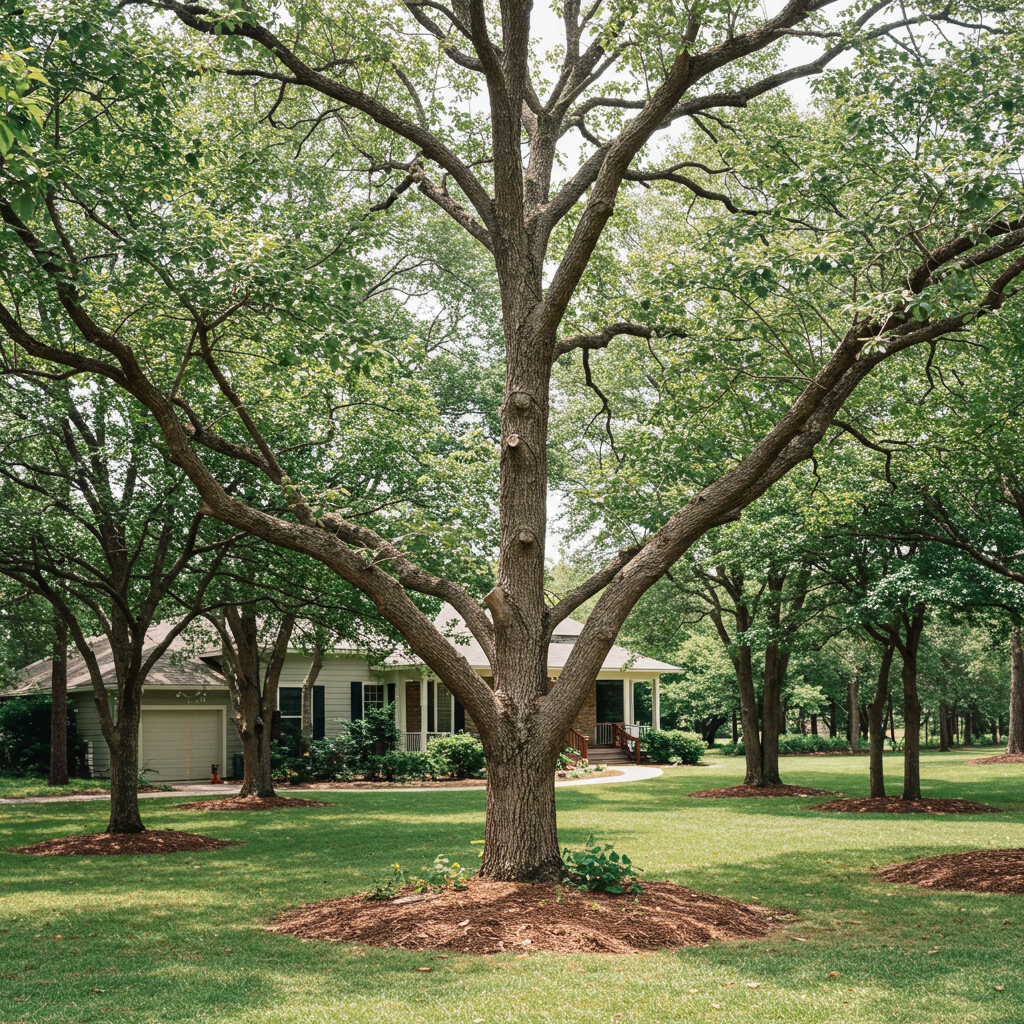
- Apply a Proper Mulch Ring: A 2-4 inch layer of organic mulch (like wood chips) around the tree's base is invaluable. Keep it several inches away from the trunk to prevent moisture buildup and rot. Mulch helps retain soil moisture, regulates soil temperature, suppresses weeds, and slowly releases nutrients as it decomposes. This is a game-changer for tree recovery in our hot climate.
- Inspect Pruning Cuts and Wounds: While professional arborists make clean, proper cuts, it’s good practice to observe the healing process. Look for any signs of sap weeping excessively, fungal growth, or insect activity near fresh wounds. If you notice anything unusual, contact Tampa Tree Care Specialists for an expert assessment.
- Avoid Fertilization (Unless Recommended): Unless specifically advised by your arborist, avoid applying fertilizers immediately after pruning. The tree's energy should be directed towards healing wounds and recovering from stress, not stimulating new, often weak, growth. If fertilization is recommended, it's typically a slow-release formula applied strategically.
How Can Tampa Homeowners Support Tree Recovery After Removal or Transplanting?
Tree removal or transplanting are major events, requiring specific follow-up care:
After Tree Removal (Stump Care):
- Stump Grinding: If you opted for stump grinding, ensure the area is clear of debris. The remaining wood chips can be used as mulch or mixed into the soil. Monitor the area for any signs of stump regrowth, especially from certain species.
- Soil Remediation: After the stump is removed, the soil might be compacted or nutrient-depleted. Consider adding new topsoil and compost to prepare the area for new plantings or turf. This prevents future issues and supports new growth.
- Replanting Considerations: If you plan to plant a new tree in the same spot, consult with Tampa Tree Care Specialists. They can advise on soil amendments and suitable species that will thrive, considering the previous tree's impact on the soil.
After Tree Transplanting or New Planting:
- Consistent Watering is Paramount: Newly transplanted trees need significantly more water than established ones, especially during their first year. The root ball must remain consistently moist but not waterlogged. Check soil moisture daily by hand; a soil moisture meter can also be invaluable. Adjust watering frequency based on Tampa's rainfall and temperature.
- Proper Staking (If Necessary): Only stake a tree if absolutely necessary to prevent it from leaning or blowing over in strong winds. Stakes should be removed after 6-12 months to allow the trunk to develop strength naturally. Incorrect staking can do more harm than good by rubbing against the bark or restricting trunk movement.
- Protection from Sunburn and Pests: Young trees, particularly those with thin bark, might benefit from trunk wraps during their first few hot Tampa summers to prevent sunburn. Keep a close eye on new foliage for signs of pests or diseases, as young trees are often more vulnerable.
Long-Term Monitoring: Protecting Your Tree Investment in Tampa's Climate.
Post-service care extends beyond the immediate aftermath, evolving into long-term vigilance that protects your tree investment year after year:
- Vigilant Pest and Disease Watch: Tampa's warm, humid climate is a breeding ground for various tree pests and diseases. Regularly inspect your trees for common issues like scale, aphids, borers, or fungal spots. Early detection is key to effective treatment. Look for unusual leaf discoloration, wilting, branch dieback, or strange growths on the bark.
- Seasonal Adjustments to Care: While Tampa doesn't have traditional "winter dormancy" for many tree species, care routines should adapt to our distinct wet and dry seasons. During the prolonged dry season, increased irrigation may be necessary. Conversely, ensure good drainage during the intense summer rains to prevent root rot.
- Regular Professional Tree Health Assessments: Even with diligent homeowner care, a tree's health can be complex. Scheduling annual or biennial health assessments with a certified arborist from Tampa Tree Care Specialists can identify subtle issues before they become major problems. Arborists can spot internal decay, nutrient deficiencies, or structural weaknesses that are not visible to the untrained eye, ensuring your tree continues to thrive safely.
Investing in professional tree services is a critical step towards maintaining a beautiful and safe landscape in Tampa. However, the true value of that investment is realized through consistent and informed post-service care. By understanding the unique challenges of our local climate and taking proactive steps, you empower your trees to recover quickly, grow stronger, and continue to provide their invaluable benefits for years to come.
Don't leave the long-term health of your trees to chance. For expert advice, follow-up care recommendations, or to schedule a comprehensive tree health assessment, contact Tampa Tree Care Specialists today. Our certified arborists are here to partner with you, ensuring your trees not only survive but truly flourish, enhancing your property's beauty and value for generations.
Need Professional Assistance?
Get a free, no-obligation estimate from our expert local team today.