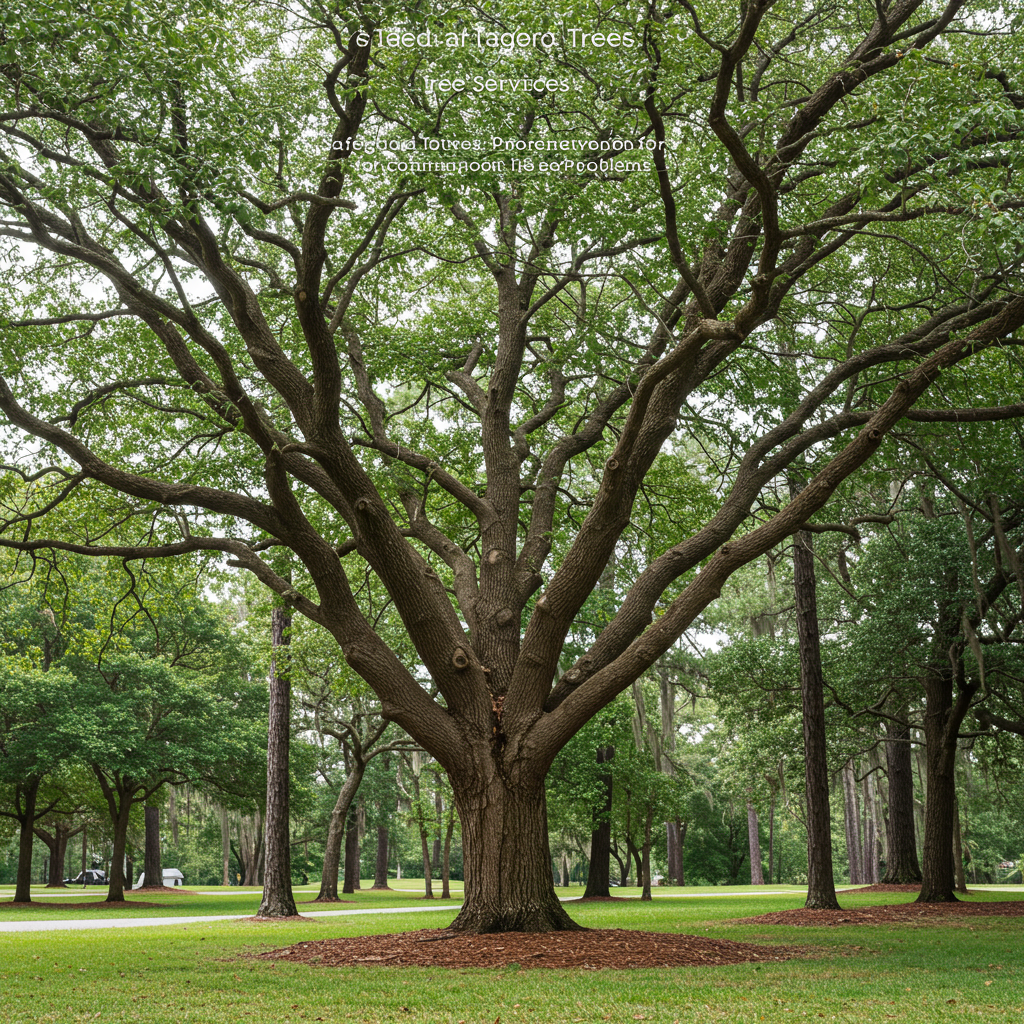
Safeguard Your Tampa Trees: Proactive Prevention for Common Tree Problems
Tampa's unique subtropical climate, with its intense sun, heavy rainfall, and sandy soils, presents both opportunities and challenges for tree health. While we often think of pests and diseases as the primary threats, many common tree problems in our area stem from environmental stressors and improper care. Understanding these underlying issues and taking proactive steps is key to nurturing a thriving landscape. This guide will help Tampa homeowners identify and prevent the most common non-disease tree problems, ensuring your valuable trees remain robust and beautiful for years to come.
What Common Tree Problems Threaten Your Tampa Landscape Beyond Pests and Disease?
Beyond the threats of exotic pests and fungal diseases, Tampa trees frequently encounter issues related to their immediate environment and the care they receive. Recognizing these problems early is the first step in prevention.
- Improper Watering (Under or Over-watering): Both extremes are detrimental. Under-watering leads to drought stress, visible as wilting, yellowing leaves, and stunted growth. Over-watering, especially in poorly draining soils, can lead to root rot, depriving roots of oxygen and causing similar symptoms of decline, often with a mushy trunk base. In Tampa's rainy season, good drainage is paramount, while dry spells demand thoughtful irrigation.
- Nutrient Deficiencies: Tampa's sandy soils often lack essential micronutrients. While not always a disease, deficiencies can weaken trees, making them more susceptible to other issues. Yellowing leaves with green veins (chlorosis) often indicate an iron deficiency, common in our alkaline soils, or a lack of other vital elements.
- Root Damage and Soil Compaction: Construction, heavy foot traffic, or even overzealous digging can sever or compact a tree's delicate root system. Compacted soil reduces oxygen availability and hinders water penetration, stressing the tree. Symptoms often appear as general decline, branch dieback, or an inability to absorb water and nutrients.
- Sunscald and Heat Stress: While native trees are adapted, newly planted or stressed trees can suffer from sunscald on their bark, especially on exposed trunks. Extreme heat can also lead to leaf scorch and general wilting, particularly during prolonged dry periods in the summer.
- Improper Pruning and Wounding: Incorrect pruning techniques, such as topping or leaving large stubs, create open wounds that invite decay and disease. Mechanical damage from lawnmowers, string trimmers, or vehicles can also girdle a tree or create entry points for pathogens, significantly shortening its lifespan.
- Lightning Strike Damage: A significant concern in the "Lightning Capital of the World," direct lightning strikes can instantly kill a tree or cause internal damage that leads to gradual decline. Even near misses can affect root systems.
How Do Proper Watering & Mulching Combat Tampa's Unique Environmental Tree Stress?
In Tampa's dynamic climate, the twin pillars of proper watering and strategic mulching are indispensable for preventing tree stress and promoting robust health.
Strategic Watering:
The key is deep, infrequent watering. This encourages roots to grow deeper into the soil, making the tree more resilient to drought periods. For young trees, especially during their first 2-3 years, consistent watering is critical. During dry spells in Tampa, aim to deliver water slowly and deeply to the tree's drip line – the area directly beneath the outermost branches. Avoid frequent, shallow watering, which promotes shallow root growth, making the tree vulnerable.
The Power of Mulch:
Mulch acts as a tree's best friend in Tampa. A 2-4 inch layer of organic mulch (like wood chips or pine bark) around the base of your trees provides a myriad of benefits:
- Moisture Retention: Mulch significantly reduces water evaporation from the soil, meaning you water less often and more efficiently, crucial during our dry seasons.
- Temperature Regulation: It insulates the soil, keeping roots cooler in the intense Tampa summer heat and providing a buffer during cooler snaps.
- Weed Suppression: A thick layer of mulch suppresses weed growth, eliminating competition for water and nutrients, and reducing the need for herbicides that can harm trees.
- Soil Improvement: As organic mulch slowly decomposes, it enriches the soil with vital nutrients, improving soil structure and fostering beneficial microbial activity.
- Protection from Damage: Mulch creates a protective barrier around the trunk, preventing damage from lawnmowers and string trimmers.
Important Mulching Tip: Always apply mulch in a wide, even ring, but keep it a few inches away from the tree's trunk to prevent moisture buildup and potential rot. Avoid the dreaded "mulch volcano" where mulch is piled high against the trunk; this is detrimental to tree health.
Why is Soil Health Crucial for Preventing Long-Term Tree Issues in Tampa?
The foundation of any healthy tree lies beneath the surface, in the soil. For Tampa trees, understanding and nurturing soil health is a long-term investment in problem prevention.
Understanding Tampa's Soils:
Much of Tampa's native soil is sandy, which drains rapidly and can be low in organic matter and essential nutrients. This means trees planted here need specific consideration for their rooting environment. Optimal soil provides a balanced mix of water retention, drainage, aeration, and nutrient availability.
- Drainage and Aeration: Poor drainage leads to waterlogged conditions, suffocating tree roots and encouraging root rot. Sandy soils generally drain well, but areas with clay layers or compacted subsoil can suffer. Good aeration ensures roots get the oxygen they need to thrive.
- Nutrient Cycling: Healthy soil is a living ecosystem, teeming with microbes that break down organic matter, making nutrients available to tree roots. A lack of organic matter means fewer beneficial microbes and reduced nutrient cycling, leading to deficiencies.
- pH Levels: Soil pH affects nutrient availability. Many plants prefer a slightly acidic to neutral pH. While many Tampa soils lean neutral to slightly alkaline, some trees may struggle to absorb certain nutrients if the pH is out of their preferred range. A soil test can identify specific deficiencies or pH imbalances.
- Alleviating Compaction: If your soil is heavily compacted (common in construction zones or high-traffic areas), aeration techniques like vertical mulching or using air spades can improve structure, allowing roots to breathe and absorb water.
Instead of relying solely on synthetic fertilizers, focus on building soil organic matter through regular mulching and incorporating compost. This holistic approach fosters a robust underground environment that naturally resists problems and supports vigorous tree growth.
When Should Tampa Homeowners Seek Professional Tree Care for Proactive Problem Prevention?
While DIY tree care is valuable, certain situations in Tampa demand the expertise of a certified arborist to proactively prevent significant issues and ensure the long-term health and safety of your trees.
Regular Tree Health Assessments:
A periodic professional inspection by a certified arborist is one of the most effective preventative measures. An arborist can:
- Identify Subtle Signs: They can spot early indicators of stress, nutrient deficiencies, or potential structural weaknesses that might be missed by an untrained eye.
- Diagnose Underlying Issues: They can accurately diagnose complex problems, distinguishing between environmental stress, disease, or pest infestations, and recommend targeted solutions.
- Assess Risk: Especially crucial in hurricane-prone Tampa, arborists can assess tree stability and identify branches or entire trees that pose a risk to property or people, allowing for preventative action.
Professional Preventative Pruning:
While basic pruning can be done by homeowners, structural pruning, crown thinning, or deadwood removal should be handled by professionals. Correct pruning:
- Improves Structure: Guides the tree's growth, creating a strong, balanced canopy less prone to storm damage.
- Enhances Airflow and Light: Reduces the risk of fungal diseases by improving air circulation within the canopy.
- Removes Weak or Hazardous Limbs: Prevents them from falling during high winds or heavy rains, which are common in Tampa.
Specialized Services:
- Tree Cabling and Bracing: For trees with weak branch unions or split trunks, these support systems can prevent catastrophic failure, especially important for large, mature trees susceptible to storm damage.
- Root Collar Excavation: If a tree has girdling roots (roots growing around the trunk, strangling it), an arborist can carefully expose and remove them, vastly improving the tree's health.
- Soil Amendments and Fertilization: Based on soil test results, an arborist can recommend and apply appropriate amendments or slow-release fertilizers to correct deficiencies without over-fertilizing.
- Pre-Construction Tree Protection: If you're building or renovating, an arborist can help implement tree protection plans to safeguard valuable trees from construction damage.
By investing in proactive tree care and leveraging the knowledge of experienced professionals, you can significantly reduce the likelihood of severe tree problems and safeguard the beauty and value of your landscape.
Ensuring the long-term health of your trees in Tampa requires a proactive approach, combining diligent homeowner care with expert professional services. By understanding the common non-disease problems, implementing proper watering and mulching techniques, nurturing soil health, and knowing when to call in the experts, you can prevent many issues before they ever take root. Don't wait for your trees to show signs of severe distress. For comprehensive tree health assessments, preventative pruning, and specialized care tailored to Tampa's environment, contact Tampa Tree Care Specialists today. Our certified arborists are dedicated to helping your trees thrive, enhancing the beauty and safety of your property for years to come.
Need Professional Assistance?
Get a free, no-obligation estimate from our expert local team today.