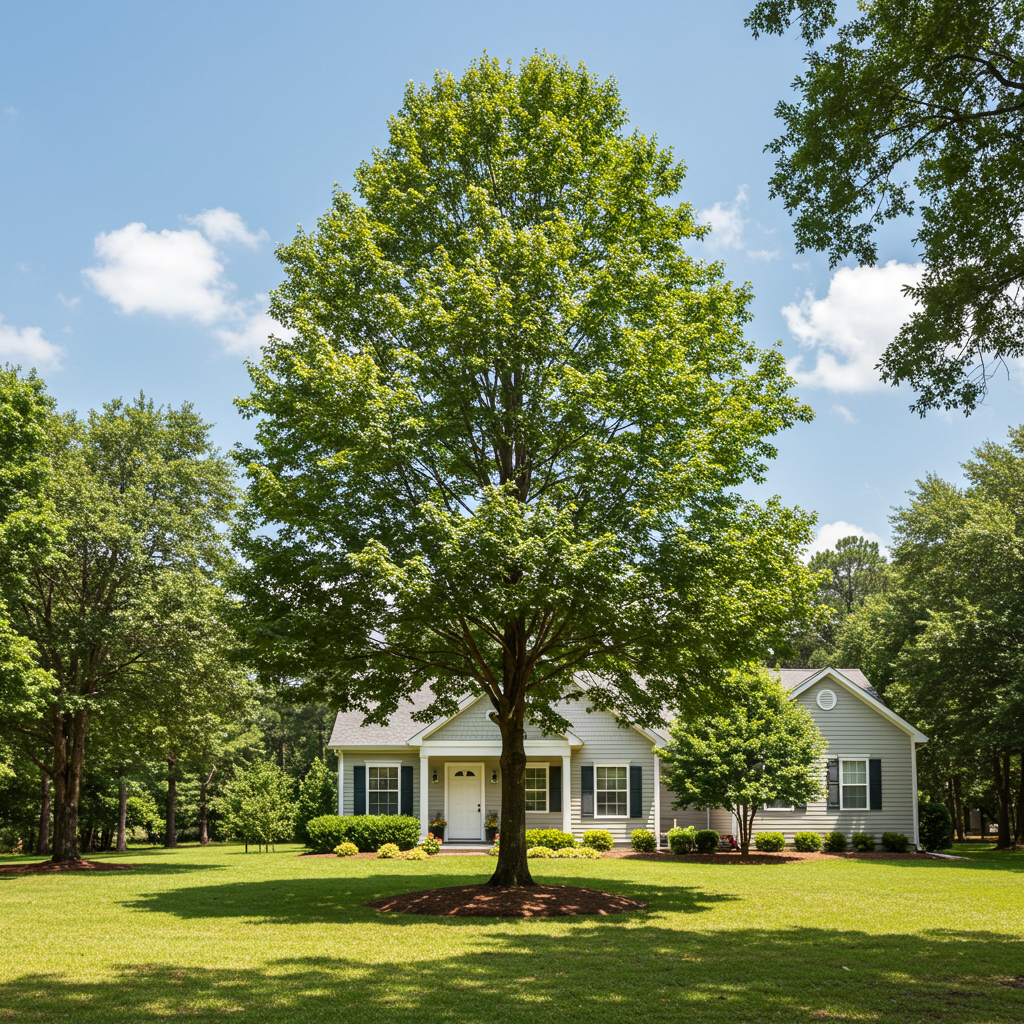
Safeguarding Your Trees: Essential Protection During Tampa Home Renovations
Why is Tree Protection So Crucial During Construction in Tampa?
Tampa's lush landscape is often one of its most attractive features, with mature trees providing invaluable shade, beauty, and ecological benefits. However, during home renovations or new construction, these vital assets are frequently overlooked and become vulnerable to significant damage. The unique sandy soils and high water table in many parts of Tampa make trees particularly sensitive to changes in their environment, especially root disturbance and soil compaction.
When construction equipment drives over the ground, stockpiles materials, or trenches for utilities, it directly impacts the tree's root system, which extends far beyond the canopy's drip line. Roots are responsible for absorbing water and nutrients, and when they are severed, compacted, or deprived of oxygen, the entire tree suffers. This can lead to:
- Reduced Vigor and Growth: Damaged roots cannot supply enough resources, leading to stunted growth.
- Increased Susceptibility to Pests and Diseases: Stressed trees are weaker and more vulnerable to local Tampa pests and pathogens.
- Structural Instability: Root damage can compromise the tree's anchoring system, increasing the risk of falling during strong winds or hurricanes, a significant concern in Tampa.
- Decline and Death: Severe, unchecked damage often results in the tree's demise, sometimes years after the construction has finished.
- Loss of Property Value: Healthy, mature trees can add significant value to a property, while declining or removed trees detract from it.
Understanding these risks is the first step towards ensuring your trees survive and thrive alongside your newly renovated home. Ignoring these risks not only endangers the tree but can also lead to costly removal in the future.
What Are the Key Steps for Protecting Trees on My Tampa Property During Renovation?
Effective tree protection requires a proactive and comprehensive approach, starting long before the first shovel breaks ground. Here are essential steps for any Tampa homeowner undertaking a renovation project:
- Consult an Arborist Pre-Construction: Before any work begins, have a certified arborist from Tampa Tree Care Specialists assess your property's trees. They can identify valuable specimens, pinpoint critical root zones (CRZ), and recommend specific protection strategies tailored to your project and tree species.
- Establish a Tree Protection Zone (TPZ): This is the single most important step. Erect physical barriers, such as sturdy fencing (chain-link or construction fence), around the entire critical root zone of all trees to be preserved. The CRZ is typically a circle with a radius of 1 foot for every inch of the tree's trunk diameter at breast height (DBH). This zone must be clearly marked and off-limits to all construction activities, equipment, and material storage.
- Implement Root Protection:
- Avoid Soil Compaction: Never allow heavy machinery, vehicles, or foot traffic within the TPZ. Soil compaction suffocates roots by reducing oxygen and water penetration.
- Prevent Trenching in CRZ: If utility lines or irrigation systems must pass through a CRZ, use tunneling or boring techniques beneath the roots rather than open trenching.
- Root Pruning (if necessary): If roots outside the TPZ must be cut, do so cleanly with a sharp tool under arborist supervision, ideally well in advance of construction, to minimize stress.
- Protect Trunks and Canopies: Wrap tree trunks with protective materials like wooden slats or heavy burlap to prevent scrapes, gashes, and bark removal from equipment. Guide crane arms and other machinery to avoid contact with branches and canopies.
- Manage Grade Changes: Avoid adding or removing soil around the tree's base, as this can smother roots or expose them to dehydration. If grade changes are unavoidable, consult your arborist for specialized solutions like root wells.
- Control Chemical and Material Storage: Designate specific areas for concrete washout, fuel, oil, paint, and other chemicals far away from tree root zones. Leaks and spills can be toxic to trees.
- Maintain Hydration: Construction can be stressful for trees. Ensure preserved trees receive adequate water, especially during dry spells, as their root systems might be partially compromised or unable to access water as efficiently.
How Can I Identify and Mitigate Potential Construction Damage to My Trees?
Even with the best precautions, construction can take a toll on trees. Regularly inspecting your trees for signs of stress or damage during and after renovations is crucial. Early detection can often prevent irreversible decline.
Signs of Construction-Related Tree Damage:
- Leaf Scorch or Wilting: Leaves turning brown, curling, or dropping prematurely, especially on one side of the tree. This often indicates root damage or water stress.
- Branch Dieback: Dead or dying branches, particularly in the upper canopy.
- Trunk Wounds: Visible scrapes, gashes, or missing bark caused by machinery. These are entry points for pests and diseases.
- Fungal Growth: Mushrooms or conks appearing at the base of the tree or on the trunk can indicate internal decay, often linked to root damage or trunk wounds.
- Abnormal Growth: Small, sparse leaves or unusually short shoot growth.
- Root Exposure or Severance: Visible roots that have been cut or are now exposed on the soil surface.
- Soil Compaction: Hardened, compacted soil around the tree's base, making it difficult for water to penetrate.
Mitigation Strategies:
If you observe any of these signs, act quickly:
- Immediate Assessment: Contact a certified arborist from Tampa Tree Care Specialists immediately for a professional diagnosis. They can determine the extent of the damage and recommend appropriate interventions.
- Aeration and Decompaction: For compacted soil, an arborist can use air spades or vertical mulching techniques to improve soil structure and allow roots to breathe without further damage.
- Watering and Fertilization: A professional can recommend a targeted watering regimen and appropriate slow-release fertilizers or soil amendments to support tree health.
- Pruning: Remove dead or dying branches safely through proper pruning techniques to prevent disease spread and reduce potential hazards.
- Pest and Disease Treatment: If secondary infestations or diseases occur due to stress, an arborist can implement specific treatment plans.
When Should I Consult a Professional Arborist for Tree Protection in Tampa?
While homeowners can implement basic protective measures, certain situations absolutely warrant the expertise of a certified arborist, especially in Tampa's unique environment.
- Pre-Construction Planning: Always engage an arborist before planning any significant renovation. They can create a detailed tree protection plan, identify trees of concern, and communicate directly with your contractors.
- Working Near Significant Trees: If construction activities (excavation, heavy machinery operation, material storage) will occur within the critical root zone of mature, valuable, or protected trees.
- Any Tree Removal or Pruning: All tree removal and significant pruning (especially large limbs or more than 25% of the canopy) should be done by trained professionals to ensure safety, tree health, and compliance with local Tampa ordinances.
- Signs of Stress or Damage: As soon as you notice any symptoms of decline, such as yellowing leaves, branch dieback, fungal growth, or cracks in the trunk.
- Permitting Requirements: Tampa often has tree ordinances that require arborist consultation or permits for tree work, especially if your property has protected species or trees of a certain size. An arborist can guide you through this process.
- Post-Construction Monitoring: An arborist can provide follow-up assessments and long-term care recommendations to help trees recover from any construction stress.
The investment in professional arborist services from Tampa Tree Care Specialists during your renovation project is a wise decision. It protects your property's valuable natural assets, prevents future costly problems, and ensures your landscape remains a beautiful and healthy extension of your newly improved home. Don't compromise the health of your trees; partner with the experts to ensure they thrive for years to come.
Need Professional Assistance?
Get a free, no-obligation estimate from our expert local team today.