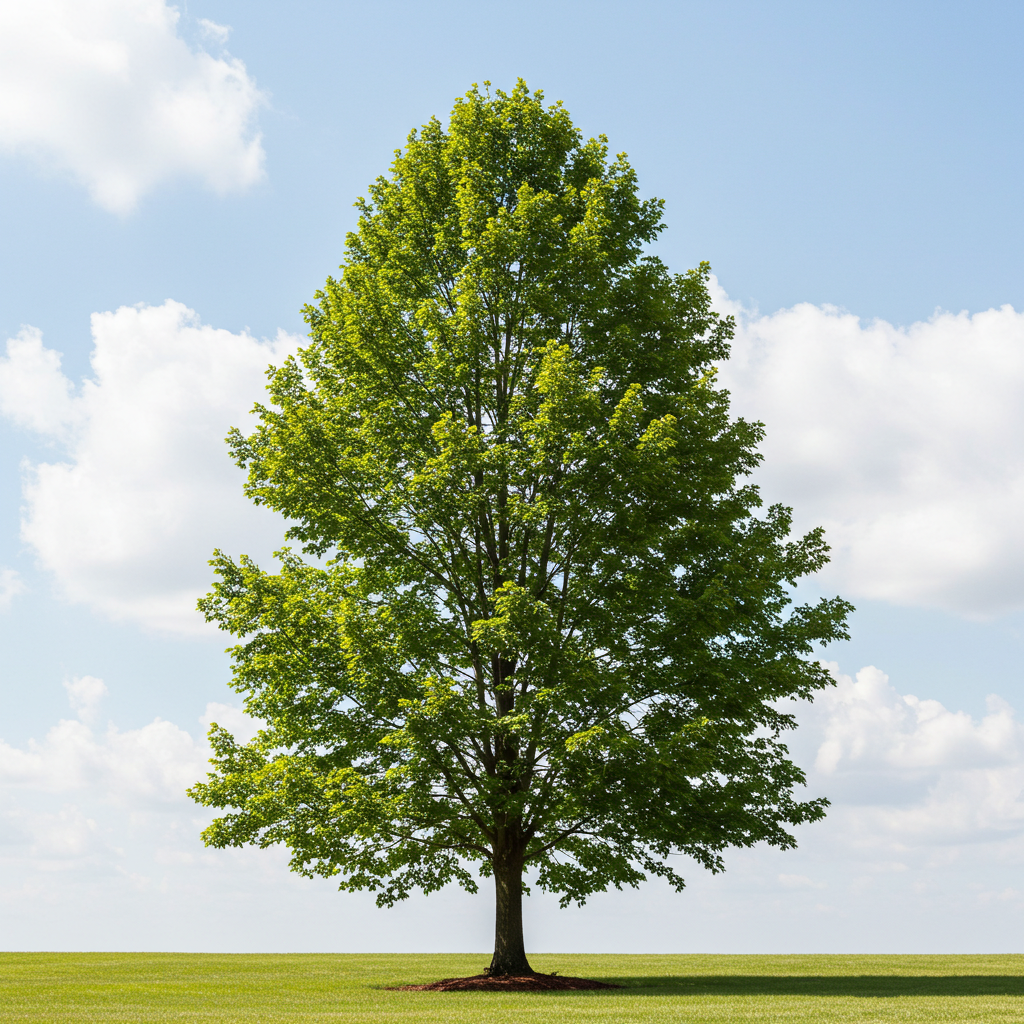
Revive Your Tampa Trees: Expert Strategies for Health & Vitality
How Do I Identify the Signs of a Struggling Tree in Tampa?
Identifying that a tree is struggling is the critical first step toward its recovery. In Tampa's unique climate, trees can face various stressors, making vigilance essential. Observing these signs early allows for timely intervention, potentially saving your valuable landscape asset. Understanding the 'why' behind these symptoms is key to effective treatment.
- Leaf Discoloration or Premature Drop: Yellowing (chlorosis), browning, or a general dullness in leaf color, especially outside of normal seasonal changes, often signals nutrient deficiencies, water stress (too much or too little), or the onset of disease. For instance, iron deficiency, common in alkaline soils, can cause interveinal yellowing while veins remain green. Premature leaf drop, particularly during dry spells or after heavy rains, indicates the tree is shedding foliage to conserve resources or reacting to root issues.
- Branch Dieback: The progressive death of branches, starting from the tips and moving inward, is a clear indicator of severe stress or disease. This can be caused by root damage, vascular diseases that block water and nutrient flow (like Laurel Wilt in Florida avocados), or borers attacking the inner bark. When a branch dies, the tree seals off the affected area to prevent the spread of pathogens, but extensive dieback suggests systemic problems.
- Unusual Bark Symptoms: Cracks, cankers (sunken lesions), peeling, or areas of decay on the trunk or branches are serious warning signs. Cankers can be caused by fungal infections, while deep cracks might indicate extreme temperature fluctuations or internal decay. Peeling bark, depending on the tree species, might be normal, but excessive or sudden peeling often points to underlying health problems or pest infestations.
- Pest or Disease Evidence: Visual signs of insects like aphids, scale, borers, or tent caterpillars, as well as fungal growths, mildew, or unusual spots on leaves, confirm an active infestation or infection. The presence of insect frass (sawdust-like excrement) around the base of the tree or entry/exit holes in the bark are definitive signs of borers, which can quickly girdle and kill a tree.
- Lack of Vigor or Stunted Growth: A general decline in growth rate, smaller-than-normal leaves, or sparse canopy compared to previous years or healthy neighboring trees, suggests that the tree isn't thriving. This often points to chronic stress factors that are limiting the tree's ability to photosynthesize and grow robustly.
What Are the Most Common Causes of Tree Decline in Tampa?
Tampa's subtropical environment presents unique challenges for trees, making them susceptible to specific stressors. Understanding these common culprits is crucial for accurate diagnosis and effective treatment to restore your tree's health.
- Environmental Stress: This is arguably the most common factor.
- Drought: Periods of low rainfall, especially during the dry season, can severely dehydrate trees. Roots struggle to absorb water, leading to wilting, scorching, and eventual dieback.
- Overwatering & Poor Drainage: Conversely, excessive rainfall or improper irrigation in poorly draining soils leads to waterlogged conditions. This starves tree roots of oxygen, causing them to suffocate and rot, mimicking drought symptoms above ground.
- Soil Compaction: Heavy foot traffic, construction, or vehicle parking compacts soil, reducing pore space essential for oxygen and water infiltration. This restricts root growth and nutrient uptake, leading to a slow decline.
- Nutrient Deficiencies: Tampa's sandy or often alkaline soils can sometimes lack essential micronutrients like iron, manganese, or zinc, or macronutrients like nitrogen. Without these, trees cannot perform vital functions, leading to chlorosis and stunted growth.
- Temperature Extremes: While tropical, occasional cold snaps can damage sensitive species. Conversely, extreme heat combined with drought can cause heat stress.
- Pests & Diseases: Tampa's warm, humid climate is also a breeding ground for various tree pests and diseases.
- Common Pests: These include borers (which tunnel under bark, disrupting nutrient flow), scale insects (suck sap, weakening trees), whiteflies (feed on sap, producing sticky honeydew), and various defoliating caterpillars.
- Common Diseases: Fungal pathogens like Ganoderma root rot (attacks root collar, causing decay), Laurel Wilt (a vascular wilt disease deadly to avocado family trees), and various leaf spot fungi thrive in humidity, impacting tree vitality and structure.
- Mechanical Damage:
- Improper Pruning: Incorrect cuts, topping, or removing too much foliage at once stresses the tree, creates entry points for disease, and can lead to structural weaknesses.
- Lawnmower/Weed Trimmer Damage: Wounding the bark at the base of the trunk creates open sores that invite pests and pathogens, disrupting the tree's vascular system.
- Construction Impacts: Root cutting, soil compaction, and changes in grade during construction can severely injure or kill trees, often with delayed symptoms.
- Girdling Roots: Roots that grow in a circular pattern around the trunk or other roots can eventually constrict the flow of water and nutrients, effectively 'girdling' the tree. This is a common problem in container-grown trees or those planted in confined spaces.
What Immediate Steps Can I Take to Help My Unhealthy Tree in Tampa?
Once you've identified the signs of struggle and potential causes, taking prompt, informed action can significantly improve your tree's chances of recovery. These steps focus on alleviating immediate stress and promoting a healthier environment for your tree.
- Optimize Watering Practices: If drought is suspected, implement deep, infrequent watering. This encourages roots to grow deeper, making the tree more resilient. Water slowly for several hours, allowing it to penetrate 12-18 inches into the soil. Avoid frequent, shallow watering which encourages surface roots susceptible to drying out. Conversely, if overwatering is an issue, reduce frequency and ensure proper drainage. For compacted soils, consider aeration.
- Apply Organic Mulch: A 2-4 inch layer of organic mulch (like wood chips) around the tree's base (keeping it several inches away from the trunk) is incredibly beneficial. Mulch conserves soil moisture, moderates soil temperature, suppresses weeds that compete for nutrients, and slowly releases organic matter, improving soil structure and fertility. This mimics the natural forest floor, providing an ideal environment for roots.
- Address Nutrient Deficiencies: If soil testing reveals specific deficiencies, apply targeted fertilizers. Avoid generic 'weed and feed' products, which can harm trees. A slow-release granular fertilizer or liquid injection tailored to the specific deficiency can help. However, over-fertilization can burn roots, so always follow recommendations based on a soil analysis. The 'why' here is that balanced nutrients are the building blocks for all tree functions, from photosynthesis to disease resistance.
- Prune Dead or Diseased Branches: Carefully remove any dead, dying, or diseased branches using proper pruning techniques. This not only improves the tree's appearance but, more importantly, removes potential entry points for pests and diseases and prevents the spread of infection. Always make clean cuts at the branch collar to allow for proper wound healing. Sterilize tools between cuts if dealing with disease to prevent cross-contamination.
- Control Pests and Diseases: Early identification of pests or diseases allows for targeted treatment. For minor infestations, organic solutions like horticultural oils or insecticidal soaps can be effective. For fungal issues, specific fungicides may be required. Always identify the pest or disease accurately before treatment, as incorrect applications can be ineffective or even harmful. Understanding the life cycle of the pest is crucial for effective control.
- Relieve Soil Compaction: For compacted soils, gentle aeration can help. This involves carefully poking holes in the soil around the drip line to allow air and water to penetrate. Avoid aggressive methods that might damage roots. Incorporating organic matter into the topsoil can also gradually improve soil structure over time.
When Should I Call a Professional for Tree Health Issues in Tampa?
While DIY efforts can help with minor issues, many tree health problems in Tampa require the expertise of a certified arborist. Knowing when to call in the professionals from Tampa Tree Care Specialists can prevent further decline, save your tree, and ensure safety.
- Severe or Rapid Decline: If your tree exhibits significant dieback, rapid leaf loss, or a sudden change in overall health over a short period, it's time for professional intervention. These symptoms often indicate a severe underlying issue that requires immediate, expert diagnosis and treatment beyond basic homeowner care.
- Unidentified Problems: If you've observed unusual symptoms (e.g., strange growths, unidentifiable pests, or atypical leaf patterns) and cannot pinpoint the cause, a certified arborist has the training and diagnostic tools to accurately identify the problem. They can distinguish between different diseases, pest infestations, and environmental stressors.
- Large or Mature Trees: Older, larger trees are significant assets, but their size also makes them complex to assess and treat. Their extensive root systems, large canopies, and potential for structural defects require specialized knowledge and equipment for safe and effective care. Attempting to treat or prune large trees yourself can be dangerous and cause irreversible damage.
- Safety Concerns: Any tree displaying signs of structural weakness, such as large cracks in the trunk or major limbs, significant leaning, or extensive internal decay, poses a serious safety risk. A professional arborist can conduct a comprehensive risk assessment to determine the tree's stability and recommend appropriate action, whether it's structural support or safe removal.
- Complex Pest or Disease Management: Some pest infestations or tree diseases require specific, often regulated treatments that are best handled by licensed professionals. This includes applications of systemic insecticides or fungicides, or specialized pruning techniques to manage contagious diseases. Tampa Tree Care Specialists have access to effective, environmentally responsible solutions.
- Post-Storm Damage Assessment: After a severe storm, even if your tree appears intact, there might be hidden damage. A professional arborist can assess the full extent of the damage, identify potential future hazards, and recommend remedial action to restore the tree's health and structural integrity.
Reviving a struggling tree is an investment in your property's future, enhancing curb appeal, increasing property value, and maintaining the ecological balance of your landscape. While proactive care and early intervention on your part can make a significant difference, there are times when professional expertise is irreplaceable. The certified arborists at Tampa Tree Care Specialists possess the knowledge, experience, and equipment to accurately diagnose tree health issues, develop tailored treatment plans, and execute them safely and effectively. Don't let your valuable trees succumb to stress or disease. Contact Tampa Tree Care Specialists today for a comprehensive tree health assessment and give your struggling trees the best chance for a vibrant, healthy recovery. Our team is dedicated to preserving the beauty and health of Tampa's urban canopy, ensuring your trees thrive for years to come.
Need Professional Assistance?
Get a free, no-obligation estimate from our expert local team today.