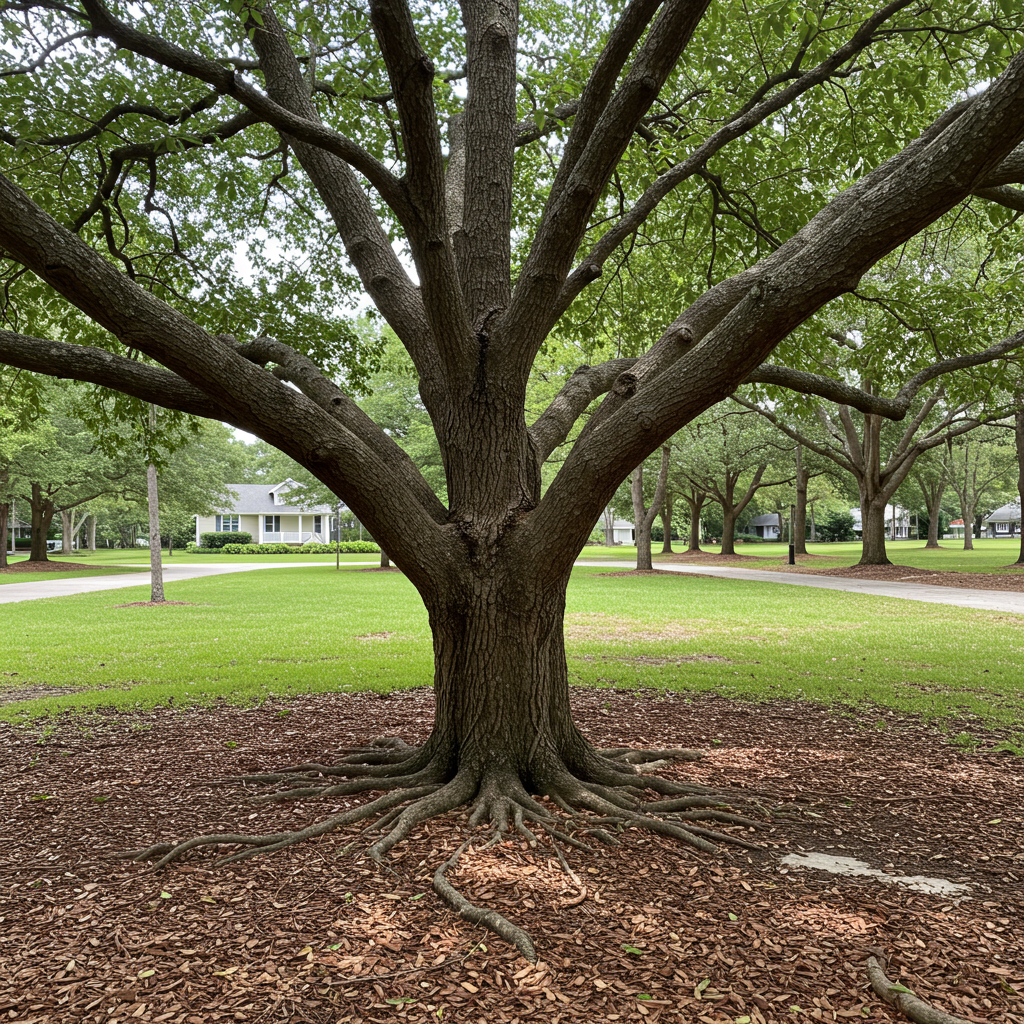
Safeguarding Your Shade: Recognizing & Preventing Root Collar Disease in Tampa Trees
What Exactly is Root Collar Disease and Why is it a Threat to Tampa Trees?
Root collar disease refers to a group of fungal pathogens that specifically target the delicate area where the tree's trunk meets its root system, often just below or at the soil line. While several fungi can cause this condition, species like Phytophthora are notoriously common, thriving in moist, poorly aerated environments. These fungi essentially girdle the tree by destroying the cambium and phloem tissues, which are vital for transporting water from the roots to the leaves and sugars from the leaves to the roots. When this critical connection is compromised, the tree slowly starves and dehydrates, leading to a gradual but irreversible decline.
In Tampa, several factors make trees particularly vulnerable to root collar disease:
- High Humidity and Rainfall: Tampa's subtropical climate provides ideal conditions for fungal growth. Persistent moisture around the root collar creates a welcoming environment for pathogens.
- Poor Drainage: Many Tampa soils, especially those with a high clay content or compacted areas, can retain water, leading to saturated conditions around tree bases that promote fungal development.
- Improper Planting Depth: A common mistake is planting trees too deeply, burying the root flare (the natural widening of the trunk at the soil line). This suffocates roots and keeps the susceptible root collar constantly moist, making it an easy target for disease.
- Mechanical Injuries: Wounds from lawnmowers, string trimmers, or construction equipment can create entry points for fungal spores into the tree's vulnerable tissues.
- Susceptible Species: While many tree species can be affected, some, including Live Oaks, Maples, and various fruit trees common in Tampa landscapes, can be particularly vulnerable.
Understanding these contributing factors is the first step in protecting your valuable Tampa trees from this silent killer.
How Can You Spot the Early Signs of Root Collar Disease in Your Tampa Landscape?
Detecting root collar disease early can be challenging because its initial symptoms often mimic other tree health issues, and the critical damage occurs out of sight. However, vigilant observation of both the tree’s canopy and its base can reveal crucial clues. It's essential to look for a combination of symptoms rather than relying on a single indicator.
Look for these key signs:
- General Decline in Canopy Health: You might notice the tree's leaves are smaller than usual, exhibiting yellowing (chlorosis), or prematurely changing color and dropping. The canopy might appear thin, sparse, or show signs of branch dieback, often starting from the top or one side of the tree. This indicates impaired nutrient and water uptake.
- Stunted Growth: Affected trees may exhibit a noticeable lack of new growth compared to healthy trees of the same species and age, or even compared to previous years' growth.
- Cankers or Lesions at the Trunk Base: Carefully inspect the tree's trunk from the soil line up to about 18 inches. Look for sunken, discolored patches of bark, often appearing darker or water-soaked. These cankers may eventually crack, peel, or ooze dark liquid, indicating the internal decay of bark tissues.
- Fungal Fruiting Bodies: In later stages, mushrooms or shelf-like fungal conks may appear at the base of the trunk or directly on the exposed root flare. These are the reproductive structures of the fungus and confirm an advanced infection.
- Girdling or Restricted Root Flare: Gently clearing away soil or mulch from the base of the tree might reveal that the root flare is not properly exposed, or that roots are growing over the trunk, potentially exacerbating the conditions for disease.
- Unusual Bark Appearance: The bark around the root collar might look soggy, darkened, or have an unusual texture, indicating underlying rot.
These symptoms are progressive, meaning they worsen over time. Regular, thorough inspections of your Tampa trees are your best defense against missing these subtle early warnings.
What Are the Best Prevention Strategies for Root Collar Disease in Tampa?
Preventing root collar disease is far more effective and less costly than treating an established infection. By implementing proper horticultural practices, Tampa homeowners can significantly reduce the risk to their trees. Prevention focuses on managing moisture around the tree's base and ensuring healthy growth conditions.
Key prevention strategies include:
- Correct Planting Depth: This is perhaps the most critical step. When planting new trees, ensure the root flare is visible and slightly above the soil line. If a tree was planted too deeply, a professional arborist can carefully excavate the excess soil.
- Proper Mulching Techniques: Mulch is beneficial, but improper application can contribute to root collar disease. Apply a 2-4 inch layer of organic mulch (like wood chips) in a donut shape around the tree, keeping it 6-12 inches away from the trunk. Avoid
Need Professional Assistance?
Get a free, no-obligation estimate from our expert local team today.