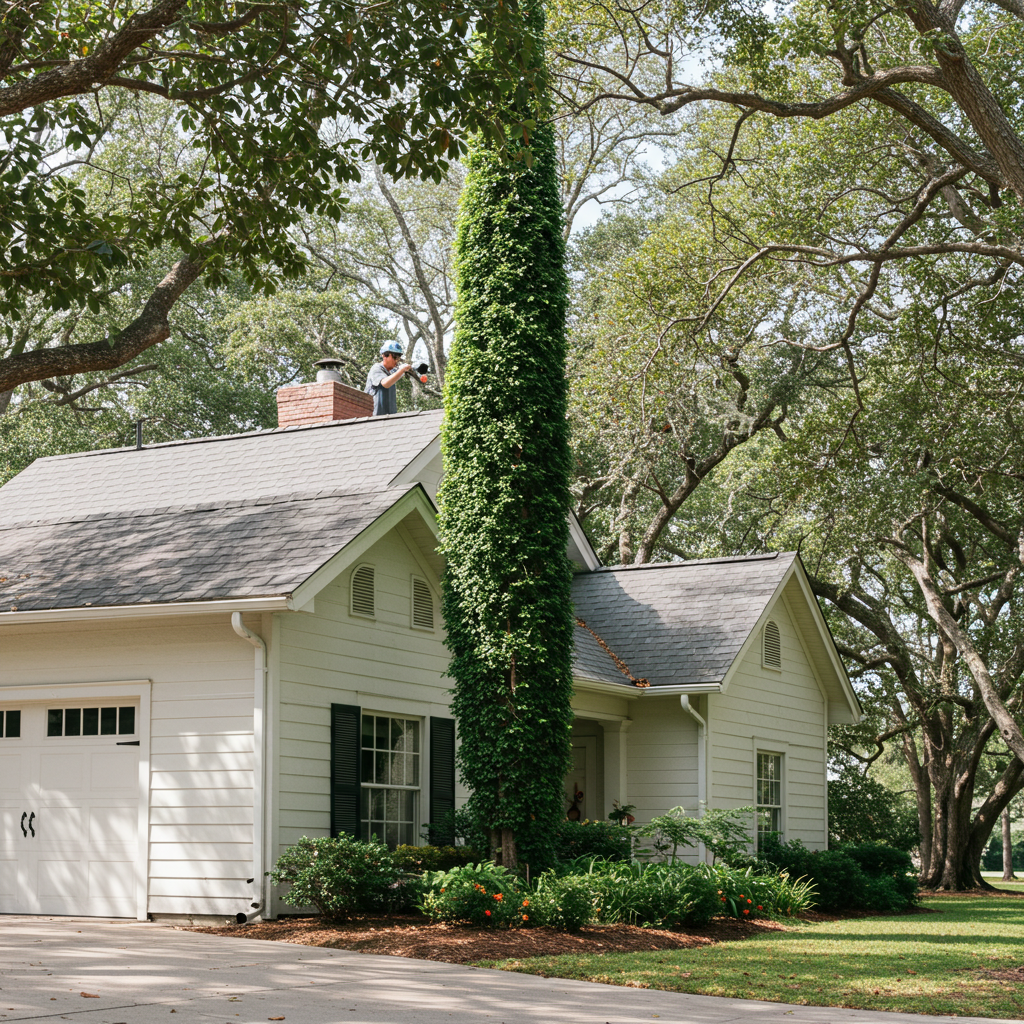
The Science of Healthy Tree Pruning: Protecting Your Tampa Trees from Disease
Why is Scientific Pruning Crucial for Disease Prevention in Tampa Trees?
Proper tree pruning prevents disease by promoting rapid wound closure, removing compromised or infected branches, and improving air circulation within the canopy. This strategic approach minimizes entry points for pathogens and reduces environmental conditions favorable to disease development, safeguarding your tree's long-term health and vitality in Tampa's humid climate.
Many homeowners view tree pruning primarily as a cosmetic task, aiming to tidy up their landscape. However, for trees in Tampa, pruning is a vital health intervention. Our unique subtropical climate, characterized by high humidity and heat, creates an ideal environment for various fungal, bacterial, and pest-related diseases. When a tree is pruned incorrectly, it leaves open wounds that become direct entry points for these opportunistic pathogens. The science behind proper pruning focuses on understanding tree physiology and how it responds to injury. Every cut initiates a healing process called 'compartmentalization of decay in trees' (CODIT), where the tree creates a barrier to seal off the wounded area. Incorrect cuts, such as flush cuts or stub cuts, hinder this natural defense mechanism, making the tree highly susceptible to decay and disease.
Furthermore, strategic pruning improves air circulation throughout the tree's canopy, which is crucial in damp Tampa conditions. Dense foliage can trap moisture, fostering the growth of mildew and other fungal diseases. By selectively thinning branches, arborists can create better airflow, helping foliage dry out more quickly after rain or heavy dew, thereby reducing disease pressure. This proactive approach significantly reduces the need for more invasive treatments later on, saving the tree and your investment.
What are the Fundamental Principles of Healthy Tree Pruning Cuts?
The efficacy of pruning in preventing disease hinges on mastering fundamental cutting techniques that respect a tree's natural growth and healing processes. A certified arborist employs specific principles to ensure cuts promote health, not harm.
- Target Pruning (Three-Cut Method): This is paramount for removing larger branches safely and effectively without tearing the bark, which can lead to extensive wounds. The method involves:
- First Cut (Undercut): Made on the underside of the branch, about 6-12 inches from the trunk, to prevent tearing.
- Second Cut (Top Cut): Made on the top side of the branch, a few inches further out from the undercut, to remove the bulk of the branch's weight.
- Third Cut (Final Cut): Made precisely just outside the branch collar, the swollen area where the branch meets the trunk. This cut should be clean and smooth, leaving the collar intact to facilitate proper wound closure.
- Branch Collar Preservation: The branch collar contains specialized cells that are vital for wound compartmentalization. Removing it, or cutting too far into the trunk (a 'flush cut'), severely impairs the tree's ability to heal and makes it highly vulnerable to decay and pathogen invasion.
- Proper Angling and Direction: Cuts should be angled to prevent water pooling on the wound surface, which can lead to fungal growth. The direction of growth should also be considered to encourage healthy outward growth, avoiding crossing branches that can rub and create wounds.
- Sharp, Clean Tools: Using dull or dirty tools can crush tissues and introduce pathogens, compromising the healing process. Professional arborists always use sterilized, sharp tools to ensure clean cuts.
Adhering to these principles ensures that pruning wounds heal quickly and effectively, providing a strong natural defense against disease in your Tampa trees.
How Does Proper Pruning Technique Protect Trees from Pests and Pathogens?
Proper pruning is a cornerstone of integrated pest and disease management, acting as a preventative measure rather than a reactive treatment. By understanding how pathogens operate, arborists can tailor their pruning strategies to build robust tree defenses.
Firstly, correct pruning minimizes the risk of pathogen entry. A clean, properly angled cut that leaves the branch collar intact allows the tree to rapidly form a callus over the wound. This callus acts as a physical barrier, preventing spores of fungi (like those causing Ganoderma or oak wilt) or bacteria from gaining a foothold. Conversely, ragged tears or flush cuts create large, exposed surfaces that are slow to heal, offering pathogens ample opportunity to colonize.
Secondly, selective pruning plays a crucial role in removing diseased or infested wood before the problem can spread. Identifying and excising branches showing early signs of cankers, galls, or insect borers can localize an issue and prevent it from affecting the entire tree. This surgical approach is particularly important in Tampa, where warm, moist conditions accelerate the life cycles of many tree pests and diseases.
Thirdly, thinning the canopy to improve air circulation not only discourages fungal growth but also makes the tree less attractive to certain pests. Pests like aphids and scale insects thrive in dense, sheltered environments. A well-ventilated canopy makes it harder for them to establish large colonies and easier for beneficial insects (natural predators) to patrol the tree.
Finally, by removing weak, dead, or crossing branches, proper pruning reduces stress on the tree. Stressed trees are more susceptible to pest infestations and disease outbreaks. A healthy, vigorous tree with a balanced structure has a much stronger immune system to fight off potential threats, a critical factor for long-term tree health in Tampa's challenging environment.
When Should Tampa Homeowners Schedule Disease-Preventative Tree Pruning?
Timing is everything when it comes to disease-preventative pruning in Tampa's subtropical climate. Pruning at the wrong time can actually stress the tree and increase its vulnerability.
The optimal time for most deciduous trees in Tampa is during their dormant season, typically late fall through early winter. During dormancy, trees have less active sap flow, minimizing bleeding from cuts and reducing physiological stress. This also reduces the risk of attracting pests that are more active during warmer months, and diseases spread by insects (like some forms of oak wilt) are less prevalent. For many common Tampa trees, such as oaks, this dormant period provides the best window for significant structural pruning.
However, some exceptions exist:
- Flowering Trees: Prune after flowering to preserve blooms, but be mindful of disease risk.
- Palms: Can be pruned year-round to remove dead fronds, but avoid over-pruning green fronds as this stresses the palm.
- Evergreen Trees: While they don't have a true dormancy, light shaping can often be done throughout the year, but major structural work is best performed in cooler, drier periods to minimize stress and disease potential.
In cases where disease or storm damage is present, emergency pruning may be necessary regardless of the season. Dead or severely damaged branches pose a hazard and can become a breeding ground for pests and diseases, requiring immediate removal. Always consult with a certified arborist who understands Tampa's specific tree species and climate patterns to determine the best pruning schedule for your individual trees.
How Can Tampa Tree Care Specialists Ensure Optimal Pruning Health?
Ensuring optimal pruning for disease prevention requires more than just basic tree trimming; it demands the expertise of certified arborists like those at Tampa Tree Care Specialists. Our professionals bring a scientific understanding of tree biology, pathology, and local environmental factors to every job.
Here's how we deliver superior tree health through strategic pruning:
- Certified Arborist Expertise: Our team consists of ISA-certified arborists who have undergone rigorous training and adhere to the highest industry standards. We possess in-depth knowledge of tree species common in Tampa, their specific growth habits, and their vulnerabilities to local pests and diseases. This allows us to make informed decisions about which branches to remove and how to make cuts that promote optimal healing and long-term health.
- Disease Identification and Prevention: We are skilled at identifying early signs of disease and pest infestations. During pruning, we proactively remove affected branches using sterile tools to prevent spread. We can also provide recommendations for further treatment or preventative measures, such as fertilization or pest control, to enhance your tree's resilience.
- Structural Integrity and Risk Reduction: Beyond disease prevention, our pruning techniques focus on developing a strong, balanced tree structure. This reduces the risk of branch failure, especially during Tampa's storm season, and enhances the tree's overall stability and longevity.
- Adherence to Best Practices: We strictly follow ANSI A300 pruning standards and OSHA safety guidelines, ensuring not only the health of your trees but also the safety of your property and our crew.
- Customized Care Plans: Every tree is unique, and so are the needs of your landscape. We provide tailored pruning plans based on tree species, age, health, and location, optimizing results for disease prevention and aesthetic appeal.
Don't leave the health of your valuable Tampa trees to chance. Proper, scientifically-backed pruning is an investment that pays dividends in long-term tree health, property value, and peace of mind. Trust Tampa Tree Care Specialists to apply the science of healthy tree pruning, protecting your landscape from disease and ensuring your trees thrive for years to come. Contact us today for a professional assessment and strategic pruning plan.
Need Professional Assistance?
Get a free, no-obligation estimate from our expert local team today.