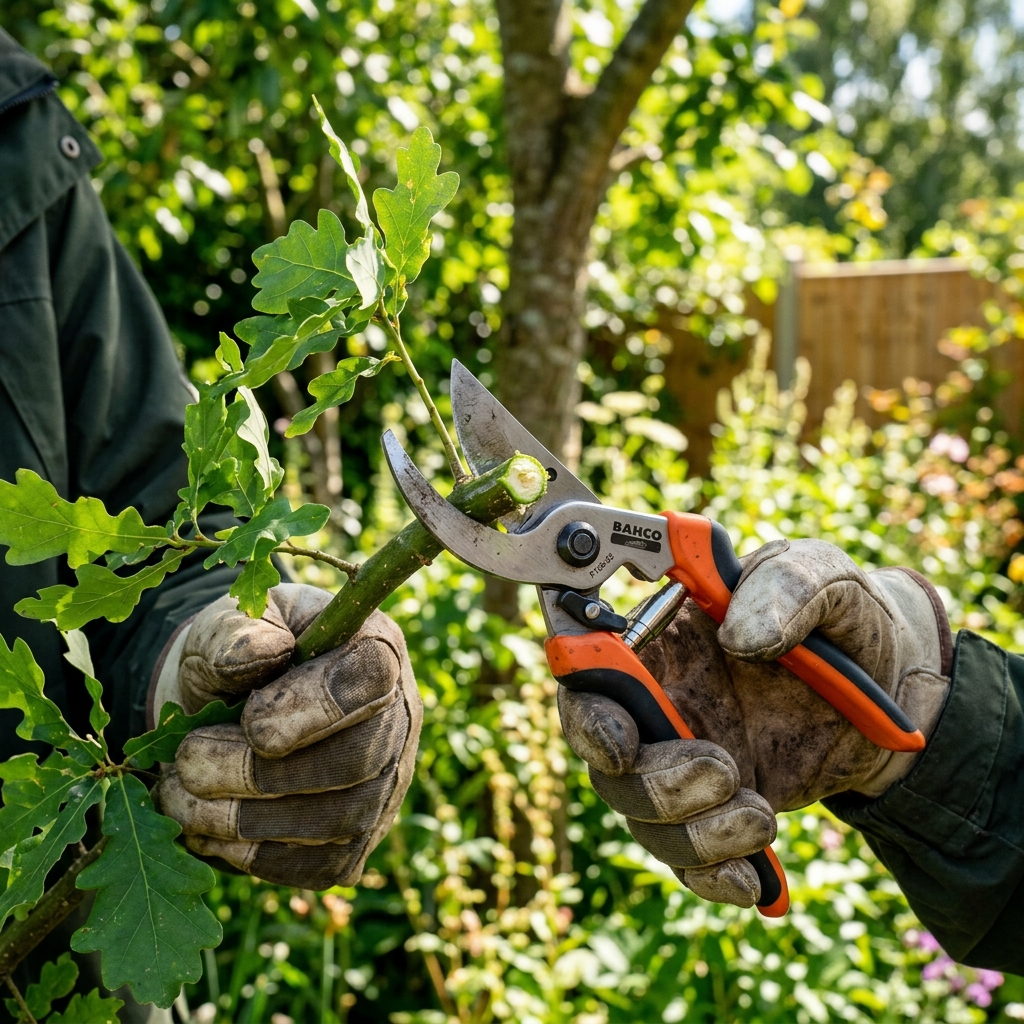
Hurricane Tree Safety: Essential Pre-Storm Tree Care for Tampa Homeowners
Preparing your Tampa property for hurricane season is critical, and professional pre-storm tree assessment and proactive pruning are your best defense against potential damage. Certified arborists can identify weak branches, structural defects, and disease issues that make trees vulnerable, significantly reducing the risk of falling limbs, property damage, and costly emergency cleanups during severe Florida weather.
As residents of Tampa, FL, we understand that hurricane season isn't a matter of 'if' but 'when.' While we can't control the storms, we can significantly mitigate their impact on our homes and landscapes. Trees, often beautiful assets to our properties, can become significant hazards if not properly prepared. Heavy winds, torrential rains, and saturated soils combine to create a perfect storm for tree failure. This guide will walk you through the importance of professional pre-storm tree care, helping you safeguard your property and ensure the longevity of your valuable trees.
Why is Pre-Storm Tree Assessment Crucial in Tampa's Climate?
Tampa's unique environment presents specific challenges for tree health and stability. Our sandy soils, often coupled with a high water table, can compromise root systems, making trees more susceptible to uprooting during high winds. Furthermore, the combination of intense sun, humidity, and occasional droughts can stress trees, making them vulnerable to pests and diseases that weaken their structure long before a storm hits.
- Florida's Wind Forces: Hurricanes bring sustained winds that can exert immense pressure on tree crowns. Trees with dense canopies or weak branch attachments act like sails, increasing the likelihood of snapping or uprooting.
- Saturated Soils: Heavy rainfall saturates the ground, reducing soil's ability to anchor roots firmly. This is particularly problematic for shallow-rooted species common in Florida.
- Hidden Weaknesses: Many tree vulnerabilities, such as internal decay, girdling roots, or compromised branch unions, are not visible to the untrained eye. A professional assessment can uncover these hidden dangers.
- Prevention Over Reaction: Investing in preventative care is almost always more cost-effective than dealing with emergency tree removal, property repairs, or insurance claims after a storm has passed.
Proactive assessment by a certified arborist helps identify these risks early, allowing for targeted interventions that drastically improve a tree's chances of withstanding severe weather. For homeowners in Plant City facing similar storm concerns, our expertise extends throughout the greater Tampa Bay area.
What Specific Tree Vulnerabilities Should Tampa Homeowners Look For Before a Storm?
While a professional assessment is definitive, there are several visual cues Tampa homeowners can look for that indicate a tree might be a storm risk:
- Cracked or Splitting Branches: Pay close attention to where major limbs attach to the trunk, or where two co-dominant stems meet. V-shaped crotches are inherently weaker than U-shaped ones.
- Dead or Hanging Limbs: Any deadwood, whether small branches or large limbs, is a prime candidate to break off and become a projectile in high winds. Limbs hanging precariously are an immediate hazard.
- Sudden Leaning or Exposed Roots: If a tree has developed a noticeable lean, or if soil around its base is mounding or cracking with exposed roots, its stability may be compromised.
- Decay or Cavities: Holes, soft spots, or fungal growth (like mushrooms) on the trunk or large branches are indicators of internal decay that weakens the tree's structural integrity.
- Poor Tree Architecture: Trees that have been improperly topped in the past will often develop many weak, rapidly growing sprouts that are poorly attached and very susceptible to wind damage.
- Proximity to Structures: Trees (or their branches) overhanging your home, power lines, driveways, or fences pose a direct threat if they fail. Common Tampa trees like Laurel Oaks, Water Oaks, and some Pines, especially if neglected, can be particularly prone to these issues.
It's vital to remember that some trees, even if they appear healthy, might have underlying issues exacerbated by storm conditions. This is why a professional's eye is invaluable.
How Does Professional Hurricane Pruning Differ From Standard Tree Trimming?
While both involve removing parts of a tree, hurricane pruning, often called 'storm prep pruning,' has a distinct and critical objective: to enhance the tree's structural integrity and reduce its vulnerability to wind damage.
- Standard Trimming: Typically focuses on aesthetics, basic health (removing minor deadwood), and maintaining clearance from structures or pathways. It's often a routine maintenance task.
- Hurricane Pruning:
- Crown Thinning: This involves selectively removing interior branches to allow wind to pass through the canopy, significantly reducing the 'sail effect' that can lead to uprooting or limb breakage. It's about reducing wind resistance without removing too much leaf-producing foliage.
- Deadwood Removal: Aggressively removing all dead, dying, or diseased branches eliminates potential projectiles and reduces the weight load on the tree.
- Raising the Canopy: Removing lower branches to provide more clearance from the ground, buildings, and vehicles, minimizing potential contact during swaying.
- Corrective Pruning: Addressing structural defects like weak branch unions, co-dominant leaders, or imbalanced crowns to promote a stronger, more resilient growth habit.
- Weight Reduction: Strategic removal of heavy, elongated limbs, especially those extending over targets, to reduce overall stress on the tree during high winds.
It's crucial to distinguish this from 'topping' (the indiscriminate removal of large branches to stubs), which severely damages a tree, promotes weak regrowth, and makes it *more* susceptible to storm damage in the long run. Professional hurricane pruning requires the expertise of certified arborists who understand tree biomechanics and the specific needs of Florida tree species.
What Happens During a Professional Pre-Hurricane Tree Inspection?
When you schedule a pre-hurricane tree inspection with Tampa Tree Care Specialists, you're investing in a comprehensive safety assessment designed to protect your property and peace of mind. Here's what you can expect:
- Initial Consultation: Our arborist will discuss your concerns, review the layout of your property, and identify any specific trees you're worried about.
- Thorough Visual Assessment: We conduct a detailed ground-level inspection of each tree, examining its overall health, vigor, canopy density, and structural integrity. This includes looking for obvious signs of stress, disease, or pest infestation.
- Root Collar and Base Examination: The arborist will inspect the base of the tree where the trunk meets the ground, looking for girdling roots, fungal growth, cracks, or signs of decay that could compromise stability.
- Trunk and Branch Analysis: We meticulously check the trunk and all major branches for cracks, cavities, weak branch attachments, crossing limbs, and any previous storm damage or improper pruning.
- Risk Assessment: Each tree is assessed for its potential risk to targets such as your home, other structures, vehicles, and utility lines. Factors like tree species, size, health, and proximity to these targets are considered.
- Detailed Report and Recommendations: Following the inspection, you'll receive a clear, actionable report. This report will outline our findings for each identified tree and provide specific recommendations, which may include:
- Targeted Pruning: Crown thinning, deadwood removal, or structural pruning to improve stability.
- Cabling or Bracing: For trees with weak unions that can be saved, installing support systems.
- Tree Removal: For high-risk trees that pose an unacceptable threat to life or property.
- Health Treatments: If pest or disease issues are contributing to weakness.
- Transparent Cost Estimate: We'll provide a detailed, no-obligation estimate for any recommended services, ensuring you understand the scope and cost of necessary work.
Our goal is to provide you with the information and services needed to make informed decisions about your tree's health and safety before a hurricane threatens. Whether you're in Tampa, Temple Terrace, or the wider Hillsborough County, our certified arborists are ready to help you prepare.
Don't wait for a storm to realize your trees are a hazard. Proactive hurricane tree safety measures are an investment in your property's security and your family's safety. Protect your Tampa home this hurricane season by ensuring your trees are professionally assessed and prepared. Our team at Tampa Tree Care Specialists has the expertise, equipment, and local knowledge to provide the highest quality pre-storm tree care. Call us today for a comprehensive tree assessment and prepare your landscape for whatever Mother Nature brings!
Need Professional Assistance?
Get a free, no-obligation estimate from our expert local team today.