October 16, 2026•By Expert Arborist
Don't Wait! Spotting Dangerous Trees in Tampa & What to Do Next
Identifying dangerous trees on your Tampa, FL property is crucial for preventing severe damage and ensuring safety. Act swiftly if you notice signs like significant leaning, deep cracks, extensive decay, or large dead branches, as these indicate a high risk of failure requiring immediate professional arborist assessment.
What Makes a Tree "Dangerous" in Tampa, FL?
In Tampa, FL, the combination of our subtropical climate, sandy soils, and frequent severe weather events, particularly hurricane season, significantly increases the potential for trees to become hazardous. A tree isn't just dangerous if it's dead; it can be a silent threat due to compromised structural integrity from hidden decay, pest infestations common to our region, or root damage that destabilizes its foundation. Our local conditions, including high winds and heavy rainfall, can turn a seemingly healthy tree into a falling hazard quickly. Understanding these local factors is the first step in protecting your property and loved ones. Issues like root rot from saturated soils, or extensive damage from previous storms, often compound over time, making regular professional assessment by a local arborist essential.Key Signs to Look For: Identifying Hazardous Trees on Your Property
While professional assessment is always recommended, knowing the visible indicators of a dangerous tree can help you act quickly. Here are critical signs residents in Tampa and Riverside Heights should watch for:- Significant Leaning or Tilting: If a tree suddenly or progressively leans more than 15 degrees, especially after heavy rains or strong winds, it could indicate root failure.
- Large Dead Branches: Dead branches, particularly those over 2 inches in diameter, pose a serious falling risk. Look for branches without leaves, brittle wood, or fungal growth.
- Cracks or Splits: Vertical or horizontal cracks in the trunk or major limbs, especially near branch attachments, can signal internal decay or structural weakness. Deep splits are particularly alarming.
- Hollow Spots or Extensive Decay: Large cavities in the trunk or main branches, or soft, crumbling wood, suggest significant internal rot that compromises the tree's stability.
- Fungal Growth (Mushrooms, Conks): Fungi growing at the base of the tree or on the trunk often indicate root rot or internal decay, which can severely weaken the tree's structure.
- Root Problems: Heaving soil around the base, exposed or girdling roots, or roots cut too close to the trunk can all indicate an unstable root system.
- Pest Damage: Sawdust piles, exit holes, or tunnels on the trunk or branches are signs of wood-boring insects. Significant infestation can weaken the tree, making it susceptible to wind damage.
- Thinning Canopy or Discolored Leaves: While sometimes seasonal, a rapidly thinning canopy, premature leaf drop, or unusual discoloration can be symptoms of disease, pest infestation, or severe stress that weakens the tree.
Why Professional Tree Risk Assessment is Crucial in Tampa
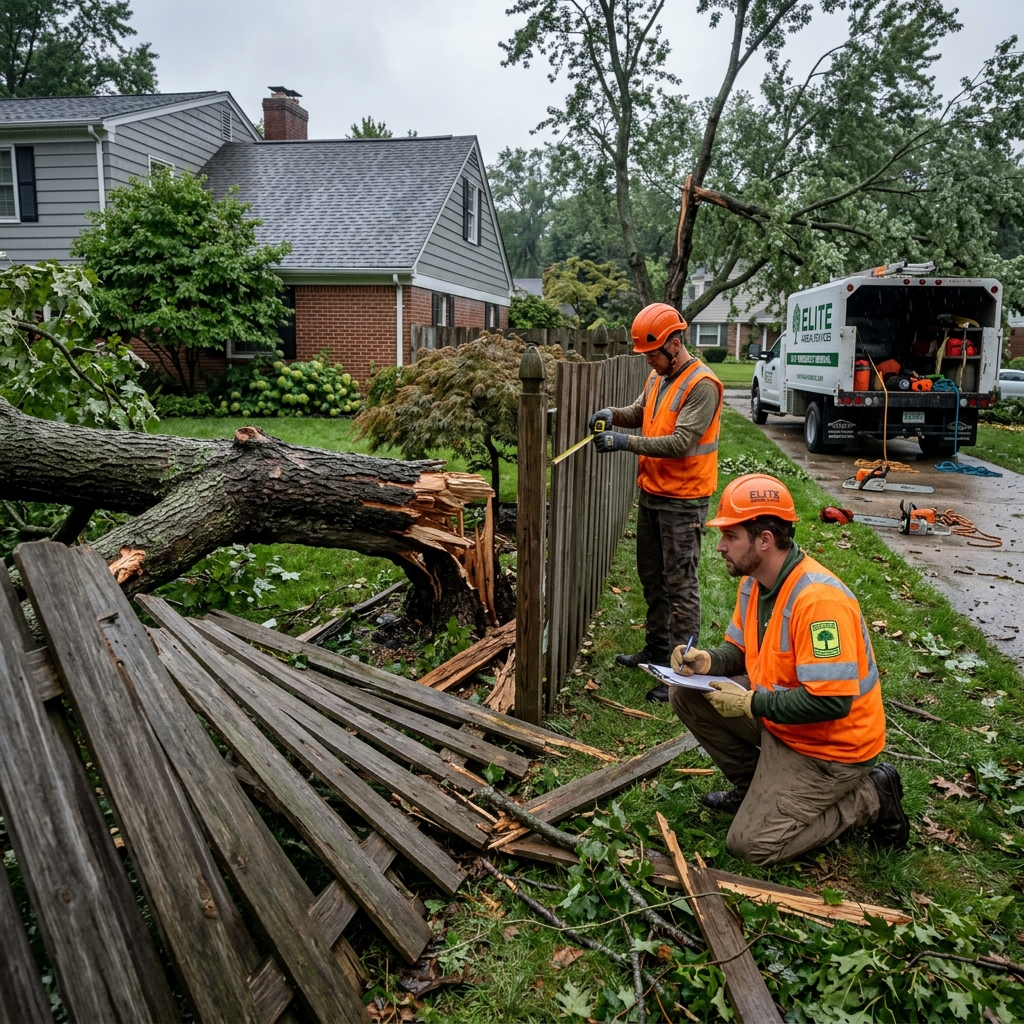
Attempting to assess a tree's danger yourself can be risky and often leads to overlooked hazards. In a region like Tampa, where specific tree diseases and pests are prevalent, and hurricane season brings significant threats, a certified arborist provides invaluable expertise. They possess the knowledge of local tree biology, common pathologies, and structural mechanics required to accurately identify high-risk trees. A professional assessment goes beyond surface-level observations, often utilizing specialized tools to detect internal decay or root issues invisible to the untrained eye. Our arborists can differentiate between a cosmetic issue and a genuine threat, offering peace of mind or providing clear, actionable steps for mitigation. This expert evaluation isn't just about tree health; it's about safeguarding your property investment and ensuring the safety of your family and neighbors. Ignoring a potentially dangerous tree could lead to costly property damage, personal injury, and even legal liabilities. For comprehensive tree safety, whether you are in Tampa or Wesley Chapel, relying on certified professionals is always the smartest choice.The Process: What Happens When You Call for a Dangerous Tree Assessment?
When you contact Tampa Tree Care Specialists for a dangerous tree assessment, you initiate a systematic process designed to provide you with a clear understanding of the risks and necessary actions.- Initial Consultation and Site Visit: We begin with a scheduled visit to your property in Tampa, FL. Our arborist will discuss your concerns, observe the tree's general health, and identify its location relative to structures, utility lines, and pedestrian traffic.
- Detailed Visual Inspection: The arborist conducts a thorough, ground-up visual inspection, looking for all the signs mentioned above and more subtle indicators of stress, decay, or structural weakness. This includes examining the canopy, trunk, root collar, and surrounding soil.
- Advanced Diagnostic Tools (If Needed): For trees with hidden internal decay or root issues, we may employ advanced tools like resistographs or sonic tomography to non-invasively assess the internal condition of the wood and root system. This allows for a precise diagnosis without causing further damage.
- Risk Evaluation and Report: Based on the inspection, the arborist will assess the tree's risk level, considering the likelihood of failure, the potential impact zone, and the severity of consequences. You'll receive a detailed report outlining our findings, including photos, specific concerns, and recommended actions.
- Customized Recommendations and Quotation: We provide tailored solutions, which could range from targeted pruning to alleviate stress or remove hazardous limbs, to cabling and bracing for structural support, or, if necessary, complete tree removal. A clear, transparent quotation for the recommended services will be provided.
- Permit Guidance: Depending on the size, location, and species of the tree, permits may be required for removal or significant pruning in Tampa. Our team can guide you through the local permitting process to ensure compliance.
Don't Delay: The Risks of Ignoring a Dangerous Tree
The potential consequences of neglecting a dangerous tree on your Tampa property can be severe and far-reaching. What starts as a minor concern can quickly escalate into a catastrophic event, particularly during our intense storm seasons.- Property Damage: A falling tree or even a large limb can cause extensive damage to your home, roof, vehicles, fences, and landscaping. The cost of repairs often far exceeds the cost of preventive tree services.
- Personal Injury or Fatality: This is the most tragic and irreversible risk. Falling trees or branches can cause serious injury or death to residents, visitors, or passersby.
- Power Outages: Trees falling on power lines can lead to widespread power outages, disrupting daily life and potentially causing secondary hazards.
- Increased Emergency Costs: Waiting until a tree falls results in emergency removal services, which are significantly more expensive than planned, proactive work. Insurance deductibles and coverage limits might also come into play.
- Legal Liability: If a dangerous tree on your property causes damage or injury to a neighbor's property or an individual, you could be held legally liable, leading to expensive lawsuits.
- Spread of Disease/Pests: A diseased or pest-ridden tree can act as a host, spreading its ailments to other healthy trees on your property or even to neighbors', creating a larger, more costly problem.
Need Professional Assistance?
Get a free, no-obligation estimate from our expert local team today.