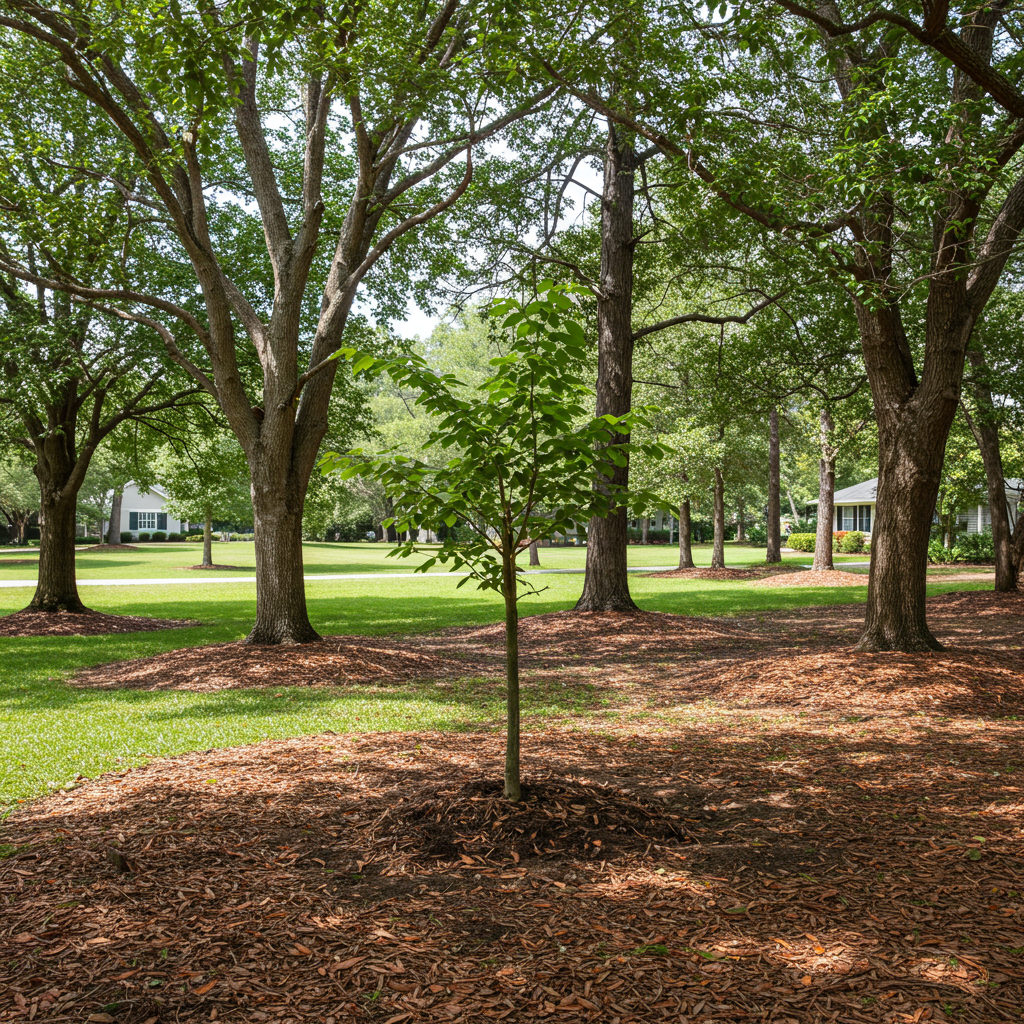
Revive Your Yard: Combatting Soil Compaction for Healthier Tampa Trees
Soil compaction occurs when soil particles are pressed together, reducing pore space essential for air, water, and nutrient movement to tree roots. In Tampa, heavy clay soils and frequent foot traffic exacerbate this issue, suffocating root systems, leading to stunted growth, nutrient deficiencies, and increased susceptibility to disease for local trees.
For Tampa homeowners, a beautiful, healthy landscape often begins beneath the surface. While we focus on lush canopies and vibrant foliage, the true foundation of a thriving tree lies within its root system and the soil that supports it. One of the most insidious yet often overlooked threats to tree health in our unique Florida environment is soil compaction. It's a silent killer, gradually robbing your trees of the vital resources they need to flourish.
Understanding soil compaction is crucial for any Tampa resident committed to their landscape's longevity. This guide will delve into what soil compaction is, how to identify its signs in your yard, and most importantly, how to effectively combat it to ensure your trees remain robust and beautiful for years to come.
What is Soil Compaction and Why is it a Threat to Tampa Trees?
At its core, soil compaction is the process where soil particles are pressed tightly together, reducing the amount of pore space (the tiny gaps between particles) within the soil. These pore spaces are incredibly important because they allow for the free movement of air, water, and nutrients—all critical elements that tree roots need to absorb and transport throughout the tree.
Think of healthy soil like a sponge: full of tiny channels and air pockets. Compacted soil, however, is like a squashed sponge—dense, heavy, and unable to absorb or release much of anything. When soil becomes compacted, it creates several severe problems for your Tampa trees:
- Reduced Oxygen Availability: Tree roots, like all living organisms, need oxygen to respire. Compacted soil drastically limits oxygen diffusion, effectively suffocating the roots.
- Poor Water Penetration and Drainage: Water struggles to penetrate dense, compacted soil, leading to increased runoff and less moisture reaching the roots. Conversely, if it does penetrate, it drains very slowly, creating anaerobic (oxygen-deprived) conditions that are detrimental.
- Limited Nutrient Uptake: Soil compaction hinders the movement of nutrients to the root zone and makes it difficult for roots to grow and explore new areas for nutrient acquisition.
- Physical Barrier to Root Growth: Roots cannot easily push through dense soil. They may grow superficially, circling, or become stunted, preventing the deep anchoring and widespread nutrient-gathering essential for a healthy tree.
- Increased Stress and Disease Susceptibility: Trees under stress from compaction are weaker and more vulnerable to pests, diseases, and environmental pressures like drought or high winds, which are common in Tampa.
In Tampa specifically, factors like our clay-rich soils (which are prone to compaction when wet), heavy rainfall followed by dry spells, construction activities, and even consistent foot traffic from daily yard use can contribute significantly to soil compaction.
How Can You Identify Soil Compaction in Your Tampa Yard?
Identifying soil compaction early is key to mitigating its damage. While the problem is underground, its symptoms often manifest above ground. Here’s what Tampa homeowners should look for:
- Visible Tree Decline:
- Stunted or Slow Growth: If your trees aren't growing as vigorously as expected or neighboring trees of the same species, compaction could be a factor.
- Yellowing or Discolored Leaves (Chlorosis): Nutrient deficiencies, often a result of roots struggling in compacted soil, can cause leaves to lose their healthy green color.
- Premature Leaf Drop: Trees under stress may shed leaves early, especially during drought periods.
- Dieback in the Canopy: Branches, particularly in the upper canopy, may start to die back, indicating a severe struggle for resources.
- Soil Surface Indicators:
- Hard, Impermeable Surface: The soil feels hard and resistant when you try to dig into it, even after rain.
- Standing Water: After rainfall or irrigation, water tends to pool on the surface for extended periods instead of soaking in.
- Exposed Roots: Roots may grow close to the surface or even above ground as they seek oxygen and easier pathways.
- Poor Grass Growth: Grass struggles to grow, or only certain weeds that tolerate poor soil conditions (like sedges) thrive in affected areas.
- Simple Soil Tests:
- Screwdriver Test: Try pushing a screwdriver into the soil when it's moist. If you can only push it in a few inches with significant effort, you likely have compaction. In healthy soil, it should slide in easily.
- Percolation Test: Dig a small hole (about 6 inches deep and wide), fill it with water, and measure how long it takes to drain. Slow drainage (more than 2-4 inches per hour) can indicate compaction.
Effective Strategies to Alleviate Soil Compaction and Boost Tree Health in Tampa
Once identified, addressing soil compaction requires a multi-pronged approach. Some methods can be done by homeowners, while others are best left to professionals.
Mechanical Aeration Techniques:
- Core Aeration: This involves removing small plugs of soil from the ground, creating channels for air, water, and nutrients to penetrate. While often used for lawns, deeper core aeration around trees can be beneficial.
- Deep Root Fertilization/Aeration: Certified arborists use specialized equipment to inject highly pressurized air and/or liquid fertilizers directly into the root zone, breaking up compacted soil and delivering nutrients simultaneously. This is highly effective for established trees.
- Air Spading: An advanced technique, air spading uses a powerful stream of compressed air to remove soil around roots without damaging them. This allows arborists to inspect root health, prune circling roots, and then backfill with improved soil, significantly enhancing oxygen and nutrient access.
Adding Organic Matter:
- Compost Application: Spreading a 1-2 inch layer of high-quality compost over the compacted area and lightly working it into the top few inches of soil dramatically improves soil structure over time. Compost introduces beneficial microbes and aggregates soil particles, increasing pore space.
- Mulching: A 2-4 inch layer of organic mulch (like wood chips) around the tree's drip line (keeping it a few inches away from the trunk) slowly breaks down, enriching the soil, moderating soil temperature, retaining moisture, and preventing surface compaction.
Considering Soil Amendments:
- Mycorrhizal Fungi Inoculants: These beneficial fungi form symbiotic relationships with tree roots, extending their reach and improving nutrient and water uptake. While not a direct compaction remedy, they enhance a tree's ability to cope with less-than-ideal soil conditions.
- Gypsum: For certain types of clay soils, gypsum (calcium sulfate) can help flocculate clay particles, improving drainage. However, its effectiveness varies greatly and it's not a universal solution for all compaction types. Consult with an arborist before applying.
For severe or widespread compaction, or for valuable mature trees, professional intervention by a certified arborist is highly recommended. They possess the knowledge and specialized equipment to safely and effectively remediate the problem without causing further damage to your tree's root system.
Preventing Future Soil Compaction: Long-Term Tree Care for Tampa Homeowners
Once you've addressed existing compaction, prevention becomes paramount. Implementing these practices will help maintain healthy soil structure in your Tampa yard:
- Consistent Mulching: As mentioned, a continuous layer of organic mulch is your best defense against compaction, especially in high-traffic areas. It cushions the soil, distributes pressure, and enriches the soil as it decomposes.
- Minimize Foot and Vehicle Traffic: Avoid walking, parking vehicles, or storing heavy objects directly over tree root zones. If construction or heavy activity is unavoidable, use protective barriers or temporary pathways to shield the soil.
- Proper Watering Techniques: Deep, infrequent watering encourages roots to grow deeper, making them less susceptible to surface compaction. Avoid shallow, frequent watering, which promotes shallow root systems.
- Avoid Chemical Overuse: Excessive use of synthetic fertilizers and pesticides can harm beneficial soil microorganisms that contribute to healthy soil structure. Opt for organic alternatives when possible.
- Strategic Tree Planting: When planting new trees, choose species known for their tolerance to local soil conditions and ensure the planting site is properly prepared to minimize future compaction risk.
- Regular Professional Check-ups: Schedule annual visits with a certified arborist. They can monitor your trees' health, assess soil conditions, and recommend preventative measures before compaction becomes a serious issue.
Don't let compacted soil choke the life out of your valuable trees. Healthy soil is the foundation of a healthy tree, contributing to a vibrant landscape, increased property value, and a more sustainable environment. Contact Tampa Tree Care Specialists today for a professional assessment. Our certified arborists have the expertise and equipment to diagnose soil compaction, implement effective remediation strategies, and provide long-term care plans tailored to your specific needs, ensuring your Tampa trees thrive for generations.
Need Professional Assistance?
Get a free, no-obligation estimate from our expert local team today.