How to Spot Dangerous Trees in Tampa & Protect Your Home
Identifying dangerous trees in Tampa, FL, is crucial for property safety and preventing costly damage, especially with our hurricane season. Look for dead branches, leaning trunks, deep cracks, root damage, or unusual fungal growth. Prompt professional assessment by certified arborists ensures accurate diagnosis and safe, effective intervention.
Tampa's lush landscape, while beautiful, comes with the responsibility of maintaining healthy and safe trees. Our unique climate, characterized by intense humidity, heavy rainfall, and the annual threat of tropical storms and hurricanes, places significant stress on urban trees. A seemingly healthy tree can harbor hidden dangers, posing a serious risk to your home, property, and even lives. Understanding how to identify these hazards early is paramount for every Tampa homeowner and business owner. This guide from Tampa Tree Care Specialists will walk you through the critical signs of a dangerous tree and when it's time to call in the experts. Ignoring these warnings can lead to devastating consequences, from minor property damage to catastrophic structural failure during a storm. Proactive tree care isn't just about aesthetics; it's about safety and protecting your investment.
What are the common signs of a dangerous tree in Tampa?
Recognizing the early indicators of a compromised tree can save you considerable expense and heartache. Here are the tell-tale signs to look out for in your Tampa landscape:
- Dead or Dying Branches (Deadwood): One of the most obvious signs. Branches that are brittle, lack bark, or show no signs of leaves (especially when surrounding branches are full) are potential hazards. They can break off unexpectedly, particularly during high winds.
- Cracks and Splits in the Trunk or Major Limbs: Deep vertical or horizontal cracks, or splits where branches meet the main trunk, indicate structural weakness. These can compromise the entire tree's integrity.
- Leaning Tree: While some trees naturally grow at an angle, a sudden or significant lean that develops over time, especially after a storm, is a red flag. This often suggests root damage or instability, making the tree prone to falling.
- Cankers and Cavities: Sunken areas of missing bark (cankers) or hollowed-out sections (cavities) on the trunk or branches are signs of decay and disease. These weaken the tree's structure from within.
- Sparse or Discolored Foliage: A tree that consistently has fewer leaves than normal, or leaves that are discolored, stunted, or dropping prematurely, might be suffering from disease, pest infestation, or root problems.
- Fungal Growth (Mushrooms or Conks): Fungi growing at the base of the tree, on the trunk, or along major branches are indicators of internal decay. These organisms feed on dead wood, weakening the tree's core.
- Root Problems: Heaving soil around the base, exposed or damaged roots, or roots girdling the trunk can indicate an unstable root system. Roots are the tree's anchor, and their compromise is a major hazard.
- Insect Infestation: While some insects are harmless, others like termites, borers, or aggressive bark beetles can severely damage a tree's structural components. Look for sawdust, exit holes, or tunnels.
How does Tampa's climate impact tree health and safety?
Our subtropical climate, while fostering lush growth, also presents unique challenges that can exacerbate tree dangers.
- Hurricane and Tropical Storms: High winds are a primary cause of tree failure in Tampa. Weakened or unstable trees are easily toppled, sending limbs crashing onto homes, vehicles, or power lines. Heavy rainfall accompanying these storms can saturate soils, reducing root anchorage and increasing the likelihood of uprooting.
- Lightning Strikes: Florida is the lightning capital of the U.S. Direct strikes can splinter trunks, ignite fires, or create pathways for decay, making trees structurally unsound even if they appear to recover.
- Prolonged Humidity and Rain: Constant moisture can promote fungal diseases (like root rot) and pest infestations that thrive in damp conditions, slowly decaying the tree from the inside out. Saturated soils can also lead to oxygen deprivation for roots, causing stress and eventual decline.
- Soil Conditions: Tampa’s sandy soils can sometimes offer less structural support than clay soils, and compacted urban soils can hinder root development and water absorption, leading to stressed and weaker trees.
- Salt Spray (Coastal Areas): For properties closer to the coast or in areas like Tarpon Springs, salt spray can burn foliage and stress trees, making them more susceptible to other issues.
When should I call a professional arborist for tree assessment?
While recognizing signs is important, accurately assessing the risk and determining the best course of action requires professional expertise.
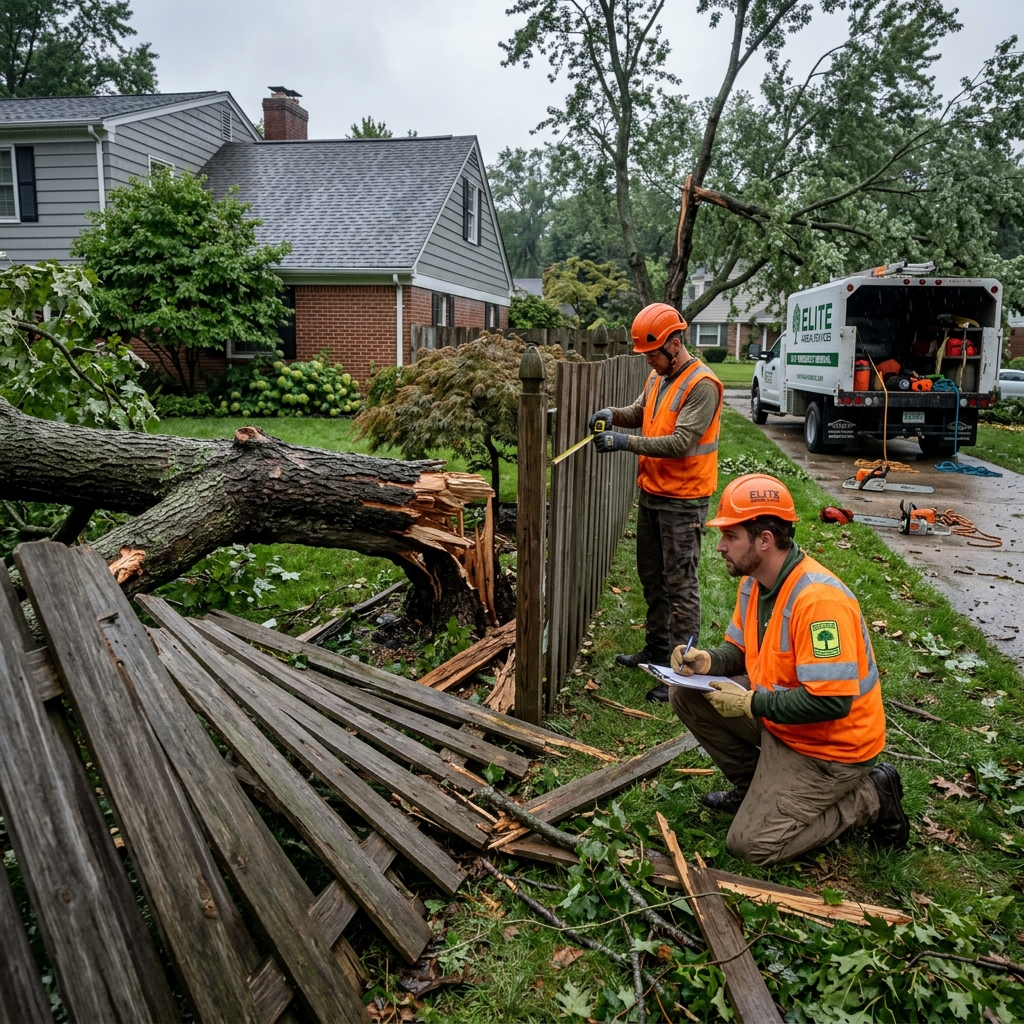
- After a Storm: Even if a tree appears fine after a hurricane or severe thunderstorm, hidden damage (e.g., internal cracks, loosened roots) might exist. A post-storm inspection is critical.
- Ambiguous Signs: If you notice several of the warning signs but are unsure of the severity, it's always best to consult an expert. What might seem minor to an untrained eye could be a significant structural flaw.
- Large Trees Near Structures: Any large tree (especially those over 20-30 feet tall) growing close to your home, garage, driveway, or power lines should be regularly assessed. The potential damage from its failure is immense.
- New Property Acquisition: Before purchasing a home or after moving into a new property, a comprehensive tree assessment can identify existing hazards and help you plan for future maintenance.
- Commercial Properties: Businesses have a heightened responsibility to ensure the safety of their premises. Regular professional tree risk assessments are vital for protecting customers, employees, and property.
- Signs of Rapid Decline: If a tree's health deteriorates quickly, exhibiting multiple symptoms of stress or disease, immediate professional intervention is necessary to diagnose the problem and potentially save the tree or safely remove it.
What does a professional dangerous tree assessment involve?
When you call Tampa Tree Care Specialists, our certified arborists perform a thorough evaluation:
- Visual Inspection: Our experts will examine the entire tree, from the root collar up through the canopy, looking for all the signs mentioned above, plus subtle indicators like weak branch unions or excessive end weight. This includes inspecting the surrounding landscape, soil conditions, and proximity to targets (structures, utilities).
- Risk Assessment: We use industry-standard methodologies to quantify the risk posed by a tree, considering:
- Failure Potential: How likely is a part of the tree to fail?
- Failure Mode: How would it fail (e.g., limb drop, uprooting, trunk snap)?
- Target: What would it hit if it failed (e.g., house, car, person)?
- Consequences: What would be the severity of the damage?
- Diagnosis and Recommendations: Based on the assessment, we provide a clear diagnosis of the tree's health and structural integrity. Our recommendations may include:
- Pruning: Strategic removal of dead, diseased, or weak branches to improve structure and reduce hazard.
- Cabling or Bracing: Installation of support systems to reinforce weak limbs or trunks, preventing failure.
- Pest and Disease Management: Targeted treatments to address specific issues.
- Fertilization and Soil Amendments: Improving overall tree health and vigor.
- Tree Removal: If a tree is beyond saving, poses an imminent threat, or its removal is the safest and most practical option, we will recommend and execute a safe and efficient removal plan. This is often the case for severely compromised trees in high-target areas, like those found in busy neighborhoods such as Seminole Heights.
- Cost Factors: During this assessment, we provide transparent information about the costs associated with recommended services, explaining the factors that influence pricing, such as tree size, location, complexity of work, and required equipment.
Preventative measures: Proactive Tree Care in Tampa
Prevention is always better (and often cheaper) than emergency response.
- Regular Pruning: Consistent, proper pruning by a qualified arborist promotes strong branch structure, reduces deadwood, and improves air circulation, minimizing disease risk. It's a key part of hazard mitigation.
- Pest and Disease Monitoring: Regular checks for signs of infestation or disease can allow for early intervention before problems become severe.
- Appropriate Planting: Choosing the right tree species for your site and planting it correctly ensures a healthy start and reduces future risks. Consider the mature size and root system when selecting trees.
- Watering and Fertilization: Providing adequate water, especially during dry spells, and appropriate nutrients supports vigorous growth and resilience against stressors.
- Post-Storm Clean-up: Promptly removing storm-damaged limbs and assessing trees after severe weather prevents secondary issues and reduces immediate hazards.
Don't wait for a storm to expose a hidden danger in your landscape. Proactive assessment and care are the cornerstones of property safety and preserving the beauty of your Tampa trees. If you suspect you have a dangerous tree on your property, or if it’s simply time for a professional assessment, contact Tampa Tree Care Specialists today. Our certified arborists are ready to provide expert evaluation, clear recommendations, and safe, efficient tree care services across Tampa, FL, ensuring peace of mind for you and your family. Let us help you keep your property safe and beautiful.
Need Professional Assistance?
Get a free, no-obligation estimate from our expert local team today.