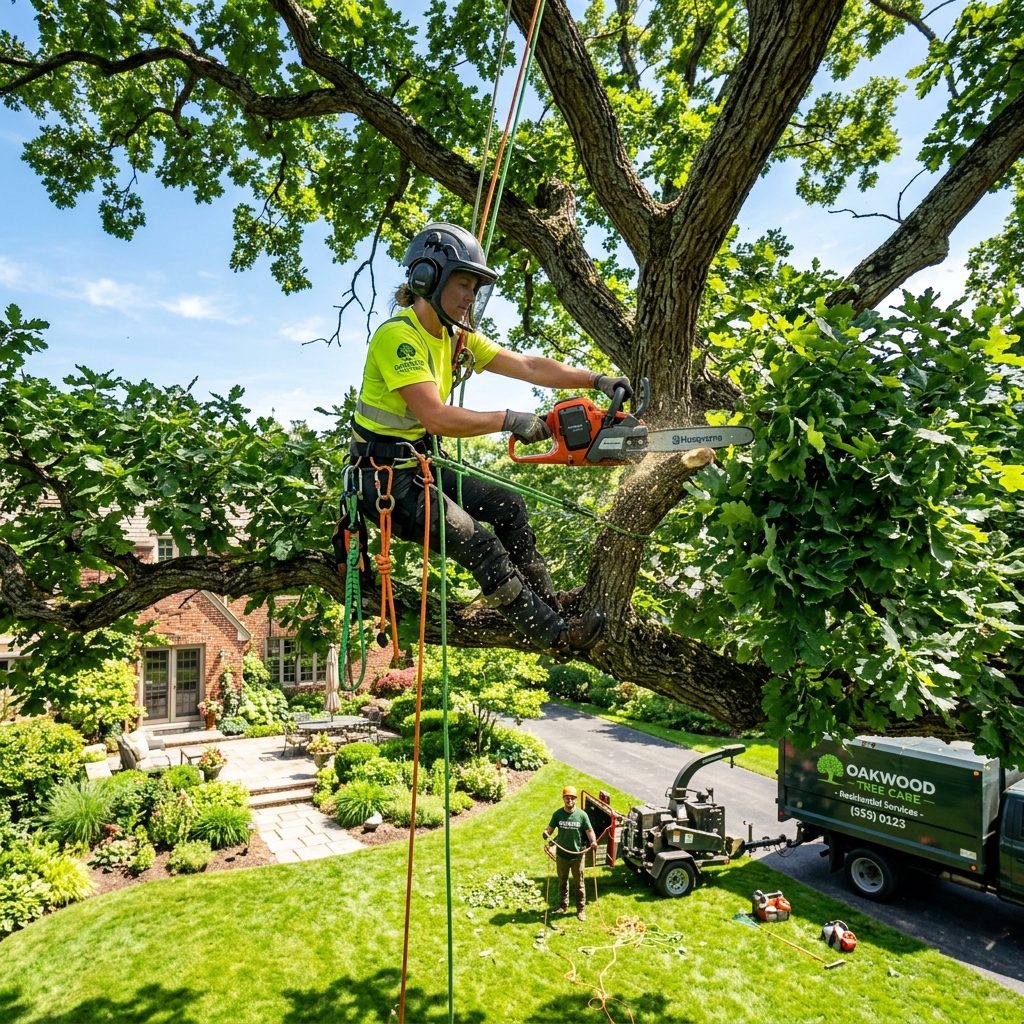
Don't Wait: How to Spot a Dying Tree in Tampa & Protect Your Property
Identifying a dying tree in Tampa, Florida, is crucial for property safety and preventing significant damage. Look for common signs such as sudden leaf discoloration, excessive dead branches, deep cracks in the trunk, unusual fungal growth, or an obvious lean. If you observe any of these indicators, contacting a certified arborist promptly is the most effective way to assess the tree's health and determine necessary actions to protect your home and landscape.
What Are the Key Signs of a Dying Tree in Tampa?
Trees are vital to Tampa's ecosystem and urban landscape, providing shade, beauty, and environmental benefits. However, various factors, from severe weather to diseases and pests, can lead to a tree's decline. Recognizing the early warning signs of a dying or severely unhealthy tree is the first step in mitigating potential risks and costs. Ignoring these signs can lead to dangerous tree failures, property damage, and expensive emergency services.
Visible Indicators of Tree Distress:
- Sudden Leaf Discoloration or Drop (Out of Season): While deciduous trees naturally lose leaves in cooler months, evergreen trees (common in Tampa) or deciduous trees losing leaves rapidly in spring or summer can indicate severe stress, disease, or root problems. Look for yellowing, browning, or premature shedding.
- Excessive Deadwood: A significant number of dead branches, especially in the crown, is a strong indicator of a tree in distress. Branches that are brittle, lack bark, or break easily when tested are likely dead.
- Deep Cracks or Splits in the Trunk: Structural cracks, especially those extending deep into the wood, compromise the tree's integrity, making it prone to failure during high winds or storms, common occurrences in Tampa.
- Fungal Growth (Mushrooms/Conks) on Trunk or Base: Fungi often indicate internal decay, feeding on dead or dying wood. The presence of mushrooms or conks, particularly at the base or along the trunk, suggests advanced rot.
- Pest Infestations: A sudden surge in insect activity, such as borers, termites, or bark beetles, can be a symptom rather than just a cause of decline. Dying trees are more susceptible to pest attacks.
- Missing Bark or Cankers: Patches of missing bark or sunken, discolored areas (cankers) can signify disease or injury, disrupting the tree's ability to transport nutrients and water.
- An Obvious Lean or Root Heave: A tree that is visibly leaning more than usual, especially if accompanied by soil upheaval around the base, is a critical hazard indicating root system failure or instability.
- Epicormic Growth: The appearance of many small shoots along the trunk or lower branches indicates the tree is under severe stress and attempting to survive by pushing out new growth from dormant buds.
Why Are Tampa Trees Prone to Certain Issues?
Tampa's unique subtropical climate and urban environment present specific challenges for tree health. Understanding these regional factors helps explain why early detection of tree distress is so vital:
- Tropical Storms & Hurricanes: Frequent high winds and heavy rainfall can cause structural damage, uprooting, and soil saturation leading to root rot.
- Sandy Soils: Tampa's sandy soils can lead to nutrient leaching and water stress if not managed correctly, impacting tree vitality.
- Pests & Diseases: Warm, humid conditions year-round contribute to the proliferation of specific pests and fungal diseases common to the region, such as Ganoderma root rot, Laurel Wilt, or various canker diseases.
- Drought Conditions: Periodic drought can severely stress trees, making them more vulnerable to secondary issues.
- Urban Development: Construction activities, soil compaction, root damage from infrastructure, and impervious surfaces can negatively impact tree health in urban settings.
When Should You Call a Professional Arborist for a Dying Tree?
While some minor issues can be addressed by homeowners, the presence of multiple dying tree signs, especially structural concerns, warrants immediate professional attention. Here's when to pick up the phone:
- Visible Structural Weakness: If you see large cracks, a significant lean, or major dead branches hanging over structures or high-traffic areas.
- Rapid Decline: When a tree's health deteriorates quickly over weeks or months.
- Disease or Pest Identification: If you suspect a specific disease or pest infestation that you cannot identify or treat effectively.
- Proximity to Structures/Power Lines: Any dying tree near your home, garage, power lines, or public walkways poses a severe risk.
- Uncertainty: When in doubt about a tree's condition, a professional assessment provides peace of mind and expert guidance.
Attempting to remove or extensively prune a large, dying tree without proper equipment, training, and insurance is extremely dangerous. Tampa Tree Care Specialists are fully licensed, insured, and equipped to handle even the most hazardous tree removals safely and efficiently.
What Does Professional Dying Tree Assessment & Removal Cost in Tampa?
The cost of dealing with a dying tree in Tampa can vary significantly based on several factors, and a professional assessment is key to understanding the full scope. Generally, assessment fees for an arborist consultation might range from $75-$200, often waived if you proceed with their services.
Factors Influencing Removal/Treatment Costs:
- Tree Size: Taller, wider trees require more equipment, time, and personnel.
- Location & Accessibility: Trees in tight spaces, near power lines, or over structures are more complex and costly to remove than those in open yards.
- Condition of the Tree: A severely decayed or structurally compromised tree requires extra precautions, increasing labor and equipment costs.
- Hazard Level: Trees posing an immediate danger due to storms or severe decline will often incur higher costs due to the urgency and complexity.
- Additional Services: Stump grinding, debris removal, and disease treatment add to the total cost.
- Permits: In Tampa, certain tree removals may require permits, which can incur fees and require specific procedures. A reputable arborist will guide you through this process.
For an accurate estimate for your specific situation, it's essential to schedule an on-site consultation. This allows our certified arborists to assess the tree's condition, location, and any unique challenges. Our team is dedicated to transparent pricing and will provide a detailed breakdown of all services.
What Happens During a Dying Tree Removal or Treatment?
Once you've decided to move forward, here's what you can expect from a professional service like Tampa Tree Care Specialists:
1. Detailed On-Site Assessment:
A certified arborist will thoroughly inspect the tree, identifying species, assessing health, structural integrity, and potential hazards. They will discuss your concerns, explain their findings, and recommend the best course of action, whether it's targeted treatment, extensive pruning, or full removal. If you're in a neighboring area and need specialized care, our expert teams also provide Tree Services in Lutz.
2. Customized Action Plan & Quote:
Based on the assessment, a tailored plan is developed, outlining the recommended services, timeline, and a clear, itemized quote. This includes explaining any necessary permits for tree removal in Tampa.
3. Safe & Efficient Execution:
Our team arrives with specialized equipment (cranes, lifts, rigging gear) and adheres to strict safety protocols. For removals, trees are carefully dismantled section by section, ensuring no damage to your property. For treatments, appropriate methods are applied to restore health or manage disease progression.
4. Site Cleanup:
Upon completion, all debris is cleared and hauled away, leaving your property clean and safe. We also offer stump grinding services to completely remove the remnants of the tree.
Protecting your Tampa property and preserving the health of your landscape requires vigilance and prompt action when a tree shows signs of distress. Don't let a dying tree become a dangerous and costly problem. Whether you're in Tampa, Palm Harbor, or the surrounding communities, our experts are ready to help. Contact Tampa Tree Care Specialists today for a professional assessment and ensure the safety and beauty of your property.
Need Professional Assistance?
Get a free, no-obligation estimate from our expert local team today.