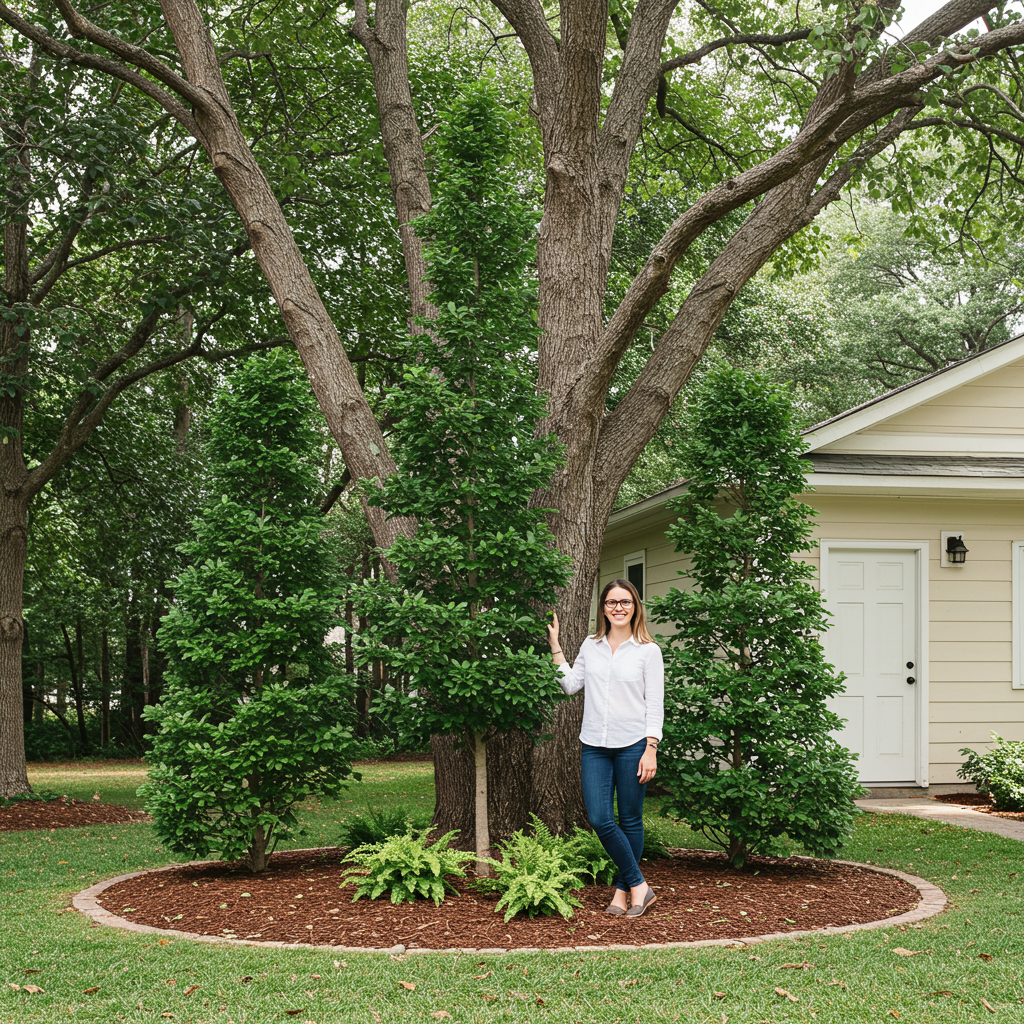
Cultivate a Greener Yard: Sustainable Tree Care Tips for Tampa Homeowners
Why is Sustainable Tree Care Essential for Tampa's Environment?
Tampa's subtropical climate, characterized by abundant sunshine, high humidity, and occasional severe weather, presents unique challenges and opportunities for tree care. Sustainable practices are not just a trend; they are a necessity for preserving our local ecosystems, conserving precious resources, and ensuring the longevity of our urban canopy. By adopting sustainable methods, Tampa homeowners contribute to a healthier environment, reduce their carbon footprint, and often save money in the long run.
For instance, traditional landscaping often relies on non-native plants that demand excessive water and chemical interventions to thrive in a foreign environment. This not only strains local water resources but also introduces pollutants into our soil and waterways. Sustainable tree care, championed by experts like Tampa Tree Care Specialists, focuses on working with nature rather than against it, fostering resilient trees that are better equipped to withstand Tampa's specific conditions, including drought, heavy rainfall, and even hurricane-force winds.
How Do I Choose the Right Native Trees for Sustainable Growth in Tampa?
Selecting the appropriate trees is the cornerstone of sustainable landscaping in Tampa. Native trees are inherently adapted to our local climate, soil types, and rainfall patterns, meaning they require significantly less water, fertilizer, and pest control compared to exotic species. This not only reduces maintenance efforts but also supports local wildlife, providing essential food and habitat for birds, butterflies, and other beneficial insects.
When choosing native trees, it's crucial to consider their mature size, light requirements, and soil preferences to ensure they will thrive in your specific yard without overcrowding or outcompeting other plants. For example, the majestic Live Oak (Quercus virginiana) provides excellent shade and is incredibly resilient, while the Sabal Palm (Sabal palmetto), Florida's state tree, is highly tolerant of various conditions and adds a quintessential Tampa aesthetic. Other great choices include Gumbo Limbo (Bursera simaruba) for its drought tolerance and unique bark, and Southern Magnolia (Magnolia grandiflora) for its fragrant blooms and dense foliage.
- Key factors for choosing native trees in Tampa:
- Site-Appropriateness: Match the tree's mature size and canopy spread to the available space, considering proximity to structures, power lines, and other plants.
- Sunlight Exposure: Ensure the tree's light requirements (full sun, partial shade) align with your yard's conditions.
- Soil Type and Drainage: Tampa soils vary; some are sandy and well-drained, while others retain more moisture. Select trees that thrive in your specific soil.
- Drought Tolerance: Given Florida's dry seasons, choosing drought-tolerant natives minimizes the need for supplemental irrigation once established.
- Pest and Disease Resistance: Native trees often have natural defenses against common local pests and diseases, reducing the need for chemical treatments.
What Sustainable Pruning and Watering Techniques Benefit Tampa Trees?
Proper pruning and efficient watering are vital for promoting tree health and longevity in a sustainable manner. Over-pruning or improper cuts can stress a tree, making it vulnerable to pests and diseases, while inefficient watering wastes water and can lead to shallow root systems. Sustainable practices focus on precision and conservation.
For pruning, the goal is to maintain the tree's natural form, improve structural integrity, and remove dead, diseased, or crossing branches. This selective approach enhances air circulation and light penetration, which are crucial for reducing fungal issues in humid Tampa. Avoid
Need Professional Assistance?
Get a free, no-obligation estimate from our expert local team today.