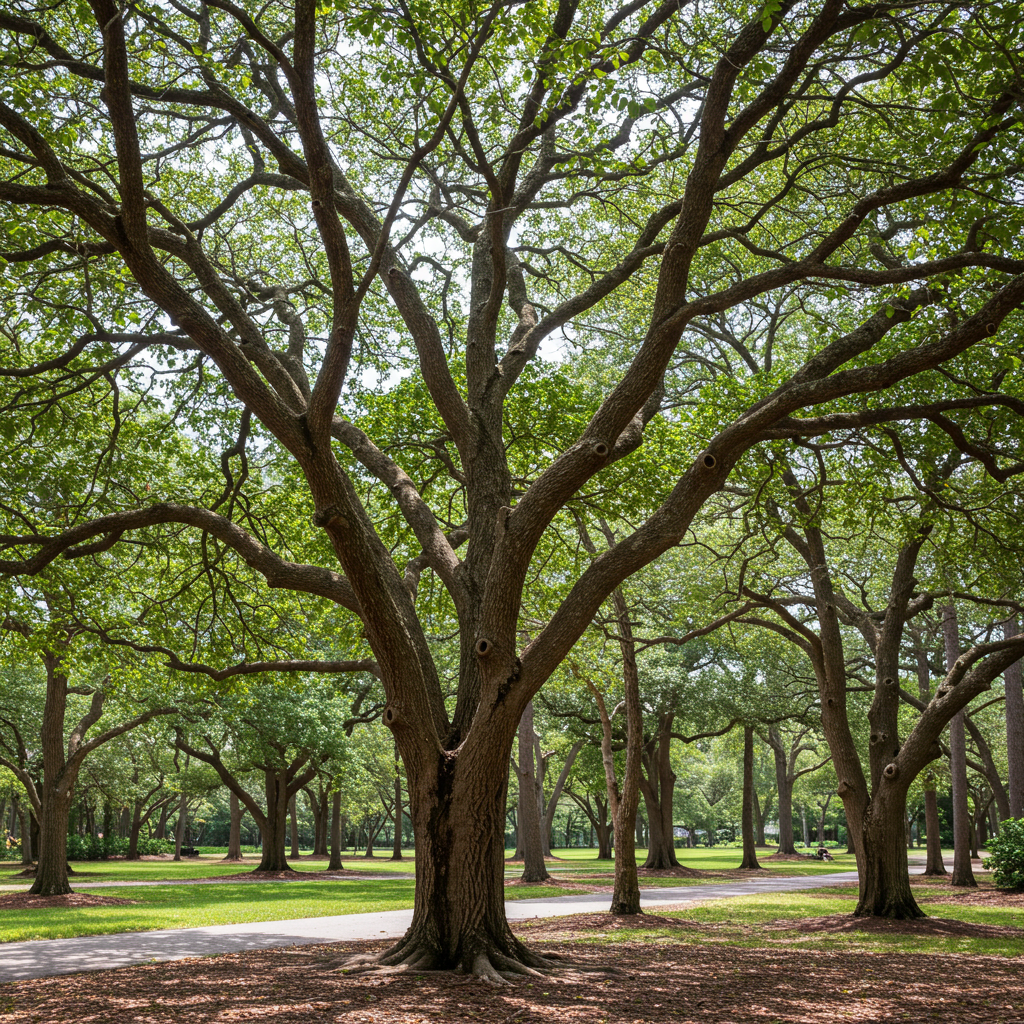
Thriving in the Tropics: Essential Tree Care for Tampa's Unique Climate
How do Tampa's unique weather patterns challenge local trees?
Tampa's climate is a double-edged sword for trees. While abundant sunshine and warmth promote lush growth, the specific combination of high temperatures, consistent humidity, and seasonal heavy rains creates a unique set of stressors. Unlike temperate regions, Tampa trees experience a prolonged growing season, meaning they are continuously expending energy and can be more susceptible to nutrient deficiencies if not managed properly. The constant heat can lead to rapid water loss through transpiration, even with regular rainfall, putting stress on root systems, especially during dry spells between rain events.
- High Humidity: Persistent moisture in the air creates an ideal breeding ground for various fungal diseases and molds. This is why issues like powdery mildew, black spot, and root rot are common adversaries for Tampa trees.
- Intense Heat: Prolonged exposure to extreme heat can cause scorch on leaves, particularly for non-native or sensitive species. It also increases water demand and can stress trees, making them more vulnerable to pests.
- Seasonal Rains & Hurricanes: While essential for hydration, the heavy downpours typical of our wet season, coupled with the strong winds from occasional tropical storms and hurricanes, can lead to soil erosion, root damage, and branch breakage. This necessitates strategic pruning for structural integrity.
- Sandy Soils: Much of Tampa's soil composition is sandy, which drains very quickly. While preventing waterlogging, it also means nutrients can leach out rapidly, requiring more frequent and targeted fertilization.
Understanding these fundamental environmental factors is the first step toward providing truly effective care for your Tampa landscape.
What common tree diseases and pests thrive in Tampa's subtropical humidity?
The warm, moist conditions prevalent in Tampa are a paradise for many tree diseases and pests that can severely compromise tree health and stability. Early detection and proactive management are critical for preventing widespread damage.
Common Diseases:
- Fungal Diseases: Due to high humidity, fungal infections like Ganoderma butt rot (affecting palms and other trees at the base), oak wilt (though less prevalent than in other regions, still a concern for oaks), and various leaf spot fungi are common. These often manifest as discolored leaves, cankers, or mushroom-like growths on the trunk.
- Bacterial Blight: This can cause wilting, cankers, and dieback, particularly on susceptible species.
- Root Rot: Poor drainage, sometimes exacerbated by compacted soil or overwatering in specific areas, can lead to various root rot pathogens, especially in species sensitive to excessive moisture.
Common Pests:
- Whiteflies and Aphids: These tiny insects feed on sap, causing stunted growth, yellowing leaves, and often secrete a sticky "honeydew" that promotes sooty mold growth.
- Scale Insects: Similar to whiteflies, scale insects attach to stems and leaves, extracting sap and weakening the tree.
- Borers: Insects like the Ambrosia beetle can tunnel into tree trunks and branches, introducing fungi and causing significant structural damage, often leading to tree decline or death.
- Spider Mites: While tiny, large infestations can cause stippling and discoloration on leaves, particularly during dry, hot periods.
Identifying these threats early requires a keen eye and knowledge of local symptoms. A professional arborist's regular inspections are invaluable in safeguarding your trees against these pervasive issues.
Why do Tampa's sandy soils require specialized tree nutrition and watering?
Tampa's characteristic sandy soils present a distinct set of challenges for tree nutrition and hydration, demanding a more nuanced approach than denser soil types. Sand particles are larger and have fewer binding sites for nutrients, meaning essential minerals can be washed away quickly with rainfall or irrigation.
- Rapid Nutrient Leaching: Unlike loamy or clay soils, sandy soils have poor cation exchange capacity, making them less able to hold onto positively charged nutrient ions (like potassium, calcium, magnesium). This means trees may require more frequent, smaller applications of fertilizer to ensure a consistent supply of nutrients, preventing deficiencies that can weaken the tree.
- Efficient Drainage, But Quick Drying: While excellent drainage prevents root rot from waterlogging, sandy soils also dry out very rapidly. This necessitates careful monitoring of soil moisture, especially during establishment or prolonged dry spells. Deep, infrequent watering is often more effective than shallow, frequent watering, as it encourages roots to grow deeper into the soil in search of moisture, making the tree more drought-tolerant.
- Micronutrient Deficiencies: Certain micronutrients, such as iron, manganese, and zinc, can become unavailable to trees in sandy, often alkaline, soils. Symptoms like chlorosis (yellowing leaves with green veins) are common indicators. Specialized fertilizers or soil amendments may be necessary to correct these imbalances.
- Organic Matter is Key: Incorporating organic matter (like compost) significantly improves sandy soil's water retention and nutrient-holding capacity, creating a healthier environment for roots. Mulching around the base of trees is also crucial for conserving moisture and regulating soil temperature.
Effective soil management is foundational to tree health in Tampa. Understanding how your specific soil type interacts with water and nutrients allows for precise care that promotes robust growth and resilience.
What professional tree care strategies are vital for Tampa homeowners?
Given Tampa's unique environment, a professional, proactive approach to tree care is not just beneficial—it's essential for the longevity, safety, and aesthetic appeal of your landscape. Homeowners benefit immensely from the specialized knowledge and equipment that professional arborists bring.
- Expert Tree Pruning: Beyond aesthetics, professional pruning is critical for structural integrity, especially in a hurricane-prone region. Certified arborists understand how to thin crowns to reduce wind resistance, remove dead or weak limbs that could become hazards, and maintain the tree's natural form while promoting health. Proper pruning techniques prevent unnecessary stress and promote wound closure, reducing disease entry points.
- Targeted Fertilization & Soil Amendment: Professional services can conduct soil analyses to determine exact nutrient deficiencies specific to your property's sandy soil. They can then apply slow-release, balanced fertilizers or micronutrient supplements directly to the root zone, ensuring trees receive what they need without wasteful runoff. Incorporating soil conditioners or bio-stimulants can also enhance soil structure and microbial activity.
- Disease and Pest Management: Regular inspections by trained arborists can identify subtle signs of disease or pest infestation before they become severe. Professionals have access to advanced diagnostic tools and effective, environmentally responsible treatment options, from targeted insecticidal soaps to systemic fungicides, ensuring the health of your trees and the safety of your property.
- Root Collar Excavation: In areas with compacted or poorly draining soils, or where trees were planted too deeply, root collar excavation can expose the critical root flare, improving oxygen exchange and preventing girdling roots. This is a delicate procedure best performed by experts.
- Storm Preparation & Recovery: Professional arborists can assess your trees' storm readiness, recommending cabling, bracing, or selective pruning to mitigate risk. After a storm, they provide safe and efficient debris removal and damage assessment, helping your trees recover properly.
Engaging with professional tree care services like Tampa Tree Care Specialists ensures your trees are not only surviving but thriving in our challenging local climate. Our certified arborists possess the local expertise to identify specific threats, implement preventative strategies, and provide tailored care that protects your valuable landscape investment. Don't leave the health and safety of your trees to chance; trust the experts who understand Tampa's unique environmental demands.
Need Professional Assistance?
Get a free, no-obligation estimate from our expert local team today.