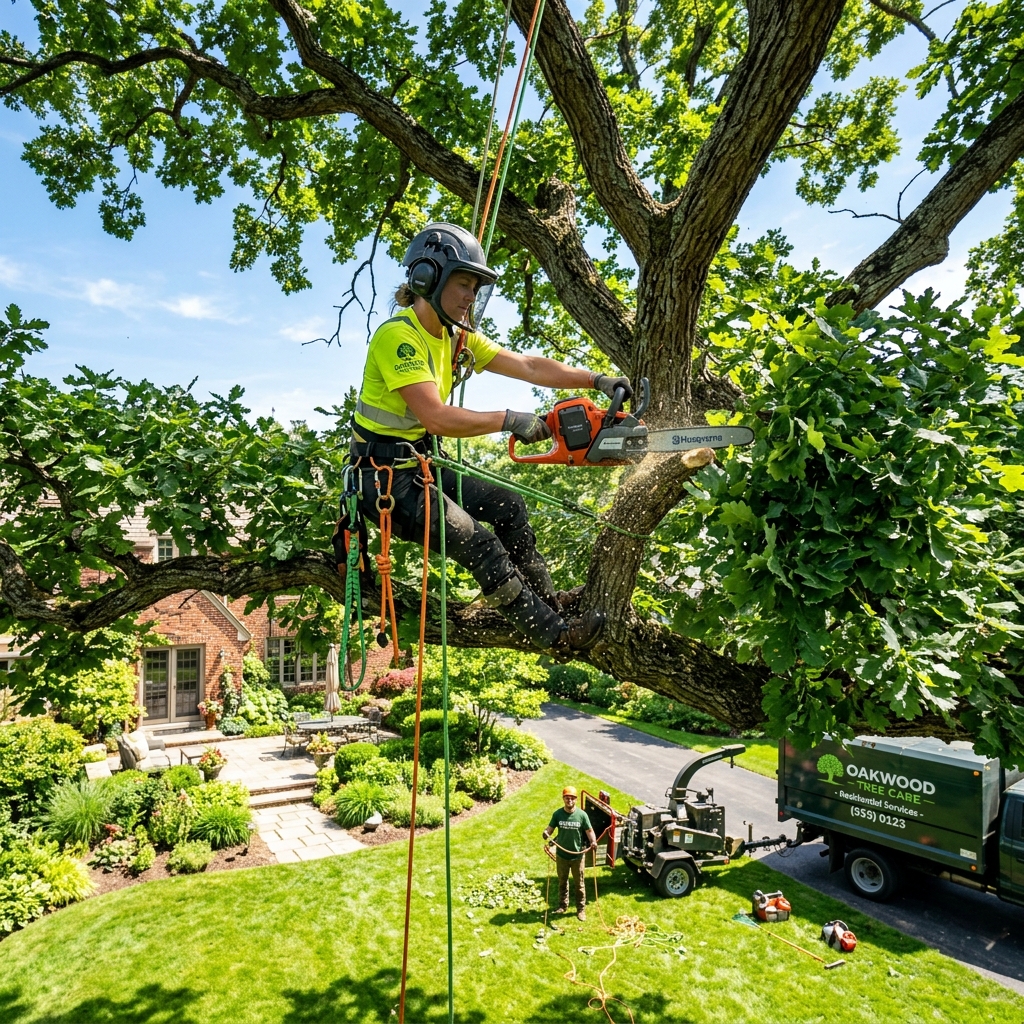
Expert Solutions for Tampa's Common Tree Problems: When to Call the Pros
As a homeowner or business owner in Tampa, your trees represent a significant investment and contribute immensely to your property's aesthetic appeal, shade, and even value. However, Florida's climate, with its high humidity, sandy soils, and frequent storms, presents unique challenges for tree health. Understanding the common tree problems that plague the Tampa area and knowing when to call a certified arborist can mean the difference between a thriving landscape and a costly tree removal.
What Are the Most Common Tree Problems in Tampa, FL?
Trees in Tampa face a variety of threats, both biotic (living organisms) and abiotic (environmental factors). Identifying these issues early is key to successful treatment.
- Pest Infestations:
- Ambrosia Beetles: These tiny beetles bore into trees, particularly stressed ones, introducing fungi that can quickly kill the tree. Look for tiny holes and sawdust-like material (frass) emerging from the trunk.
- Southern Pine Beetles: A serious threat to pine trees, causing yellowing needles and pitch tubes on the bark.
- Scale Insects: Appear as small bumps on branches and leaves, sucking sap and weakening the tree. They often excrete honeydew, leading to sooty mold.
- Aphids: Small, soft-bodied insects that cluster on new growth, causing distorted leaves and honeydew production.
- Fungal and Bacterial Diseases:
- Ganoderma Root Rot: A prevalent and destructive fungal disease in Florida, attacking the roots and lower trunk of many tree species. The most visible sign is a shelf-like conk (fruiting body) growing at the base of the tree. This often indicates extensive internal decay.
- Lethal Yellowing: A phytoplasma disease primarily affecting palm trees, causing yellowing and eventual death of fronds, starting from the oldest.
- Oak Wilt: Though less common in the immediate Tampa area than some other diseases, it's a rapidly progressing fungal disease that can devastate oak trees. Wilting and browning leaves are key indicators.
- Environmental Stressors:
- Nutrient Deficiencies: Sandy soils often lack essential nutrients. Yellowing leaves (chlorosis) are a common symptom.
- Drought Stress: Despite Florida's rain, periods of drought can severely impact trees, leading to wilting, premature leaf drop, and increased susceptibility to pests.
- Storm Damage: High winds from hurricanes and tropical storms frequently cause broken limbs, uprooting, and structural damage, requiring immediate attention to prevent further hazards.
- Root System Issues:
- Root Girdling: Roots growing around the trunk can constrict nutrient and water flow, slowly strangling the tree. This is often seen in urban trees or those planted in confined spaces.
- Soil Compaction: Heavy foot traffic or construction can compact soil, reducing oxygen and water penetration to roots.
How Do I Know When My Tree Needs Professional Attention?
While some minor issues can be managed with basic care, many tree problems require the diagnostic skills and specialized equipment of an ISA Certified Arborist. Here are key signs that it's time to call in the experts:
- Sudden Leaf Discoloration or Drop: If leaves are yellowing, browning, or dropping out of season, it's a major red flag.
- Unusual Growths or Fungi: Mushrooms, conks, cankers, or abnormal swellings on the trunk or branches indicate disease or decay.
- Dead or Decaying Branches: Large dead limbs, especially those overhanging structures or high-traffic areas, pose significant safety risks.
- Cracks or Splits in the Trunk: These can indicate structural instability and potential for failure, especially during high winds.
- Leaning or Upheaval: A tree suddenly leaning, or soil mounding/cracking around the base, suggests root system failure and imminent danger.
- Pest Evidence: Visible insects, sawdust (frass), or extensive webbing are signs of active infestations.
- Sap or Oozing: Unexplained sap flow or wet spots on the trunk can be signs of pest activity or disease.
- Proximity to Structures: If branches are touching your roof, power lines, or show signs of potential failure near property, immediate professional assessment is vital.
Ignoring these signs can lead to severe tree decline, property damage, or even personal injury. For residents in South Tampa or the broader Hillsborough County area, early detection is your best defense.
What Happens During a Professional Tree Diagnosis in Tampa?
When you call Tampa Tree Care Specialists, our process is thorough and designed to provide clear, actionable insights:
- Initial Consultation & Site Visit: Our arborist will visit your property to assess the tree in question and its surrounding environment. We'll discuss your concerns and observe any visible symptoms.
- Visual Inspection: A detailed examination of the entire tree, from roots to canopy, looking for signs of pests, diseases, structural defects, and environmental stress. This includes assessing the bark, leaves, branches, trunk, and root collar.
- Diagnostic Tools & Techniques: Depending on initial findings, we may use specialized tools like probes to check for decay, binoculars for canopy inspection, or even take tissue samples for lab analysis in complex cases.
- Environmental Assessment: We'll evaluate soil conditions, drainage, sun exposure, and proximity to buildings or other plants that might contribute to the problem.
- Risk Assessment: For compromised trees, we assess the potential for failure and the risk to people or property.
- Detailed Report & Recommendations: You'll receive a comprehensive explanation of the diagnosis, including the specific problem, its likely cause, and a clear plan of action. This might include:
- Targeted pest or disease treatments (e.g., systemic insecticides, fungicides).
- Pruning for deadwood removal, structural enhancement, or crown reduction.
- Deep root fertilization or soil amendment to address nutrient deficiencies.
- Cabling or bracing for structural support.
- Root collar excavation to address girdling roots.
- Tree removal if the tree is beyond saving or poses an unacceptable risk.
Our goal is always to preserve healthy trees safely and effectively, providing tailored solutions specific to your tree's needs and the Tampa environment.
What Factors Influence the Cost of Tree Problem Solutions in Tampa?
The cost of resolving tree problems in Tampa varies significantly based on several key factors:
- Type and Severity of the Problem: A simple pest treatment will cost less than extensive disease management or a complex structural repair involving cabling.
- Tree Size and Species: Larger trees require more time, specialized equipment, and greater risk management, thus increasing costs. Certain species may also be more challenging to work with.
- Accessibility: Trees located in hard-to-reach areas, near power lines, or over structures will incur higher costs due to the need for specialized rigging and safety precautions. This is especially true in densely populated areas like Sulphur Springs.
- Required Equipment: Use of cranes, bucket trucks, or specialized climbing techniques will impact the overall price.
- Emergency vs. Scheduled Service: Emergency services, especially after a storm, typically cost more due to immediate dispatch and potential overtime.
- Disposal: Hauling away large amounts of wood and debris is usually included but can be a cost factor for very large jobs.
- Permits: For certain tree removals or major pruning on protected trees in Tampa, city permits may be required, adding a small administrative cost.
We provide transparent, detailed estimates after a thorough on-site assessment, ensuring you understand all aspects of the proposed work and its cost.
Protect Your Investment: The Value of Proactive Tree Care
Preventative maintenance is always more cost-effective than reactive crisis management. Regular inspections, proper pruning, and timely treatments can help your trees resist pests and diseases, withstand storms, and thrive for decades. Investing in professional tree care ensures the longevity and beauty of your landscape, enhances your property's value, and maintains a safe environment for your family.
Don't wait for a small problem to become a major headache or a safety hazard. If you notice any concerning signs with your trees or simply want to ensure their continued health, reach out to the experts. Our certified arborists at Tampa Tree Care Specialists are ready to provide comprehensive diagnostics and effective solutions tailored to the unique challenges of the Tampa climate. Contact us today for a professional assessment and keep your Tampa landscape beautiful and safe!
Need Professional Assistance?
Get a free, no-obligation estimate from our expert local team today.